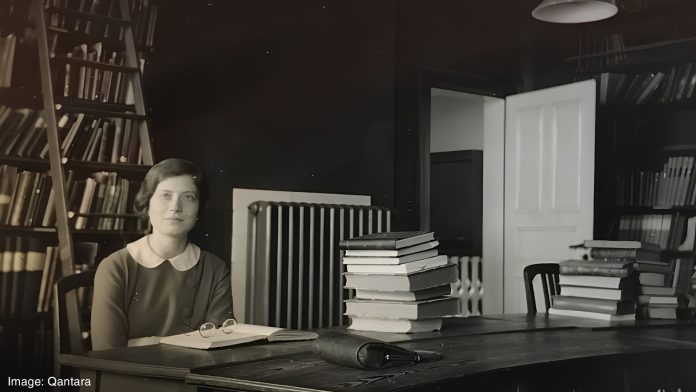
A Jewish Scholar In The World Of Islamic Studies
Hedwig Klein’s story sounds almost impossible at first. She was a Jewish woman in Nazi Germany who devoted her academic life to Islamic studies, Arabic language, and early Islamic history. She studied at Hamburg University, majoring in Islamic studies with minors in Semitic studies and English philology. Her doctoral work focused on an Arabic historical text connected to early Islam in Oman. She had done the work. She had earned the title. But Nazi Germany refused to issue the degree because she was Jewish.
The Doctorate Nazi Germany Stole
Klein passed her doctoral examinations in 1937 and earned the highest possible marks. The degree was formally annotated: “No doctoral certificate issued: Jew.” The full story of this annotation is documented by Key Documents of German-Jewish History. A Jewish scholar was building a bridge into Islamic history at the exact moment the state around her was turning scholarship into a tool of exclusion.
The Escape To India That Failed
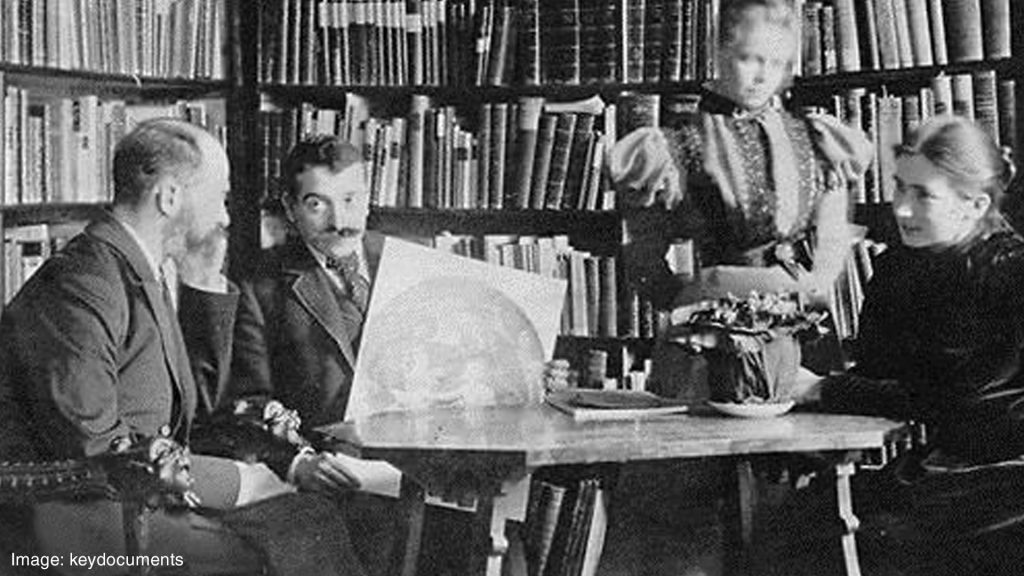
In 1939, Klein tried to escape Germany. She secured a visa for British India and boarded a steamer headed for Bombay. On August 21, two days into the voyage, she wrote a postcard: “Allah will help me.” Then World War II began. The ship was ordered back to Germany at Antwerp. This account is drawn from research published by The Maydan and the Institute for Advanced Study, Princeton.
Kept Alive To Serve The Regime Destroying Her
After her failed escape, Klein was recruited to contribute to preparatory work for what became Hans Wehr’s Dictionary of Modern Written Arabic. She was paid 10 pfennigs for each word translation sent on slips of paper. She was not permitted to work in the editorial office. One staff member wrote: “Of course, it is simply unimaginable that she will ever receive credit for her contribution.” This is documented through Qantara and Sabine Schmidtke’s 2026 research.
Her Sister Was Taken First
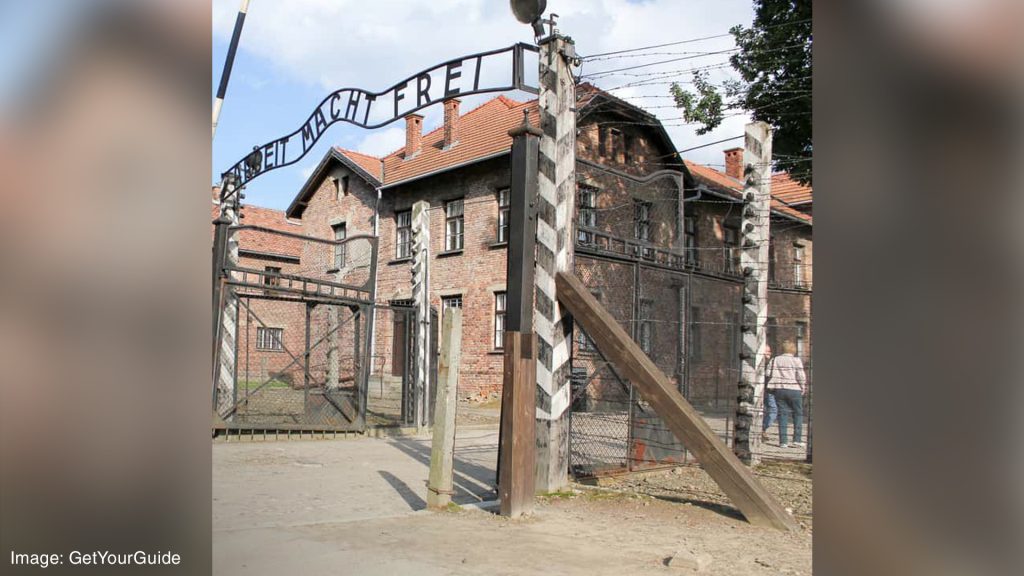
In December 1941, Klein was temporarily spared from deportation because her Arabic was classified as “essential to the war effort.” But her sister Therese was deported to Riga on December 6, 1941, where she was murdered. For six more months, Hedwig remained alive because her scholarship had made her temporarily valuable to the same regime that had killed her sister. Then on July 11, 1942, she was placed on the first direct train from Hamburg to Auschwitz. She was murdered at 31.
The Man Who Claimed To Have Saved Her
After the war, Hans Wehr appeared before a denazification commission. He claimed: “I managed to save a Jewish academic colleague, Dr Klein from Hamburg, from transportation to Theresienstadt in 1941.” He offered this as evidence of his good character. Hedwig Klein had already been dead for years.
A Name Returned Too Late
It was not until 2020, 78 years after her murder, that the dictionary’s publishers formally acknowledged her in the sixth edition’s preface. In 2026, Sabine Schmidtke HYPERLINK “https://www.degruyter.com/”‘ HYPERLINK “https://www.degruyter.com/”s book published by De Gruyter — drawn from archives across Europe, Israel, and the United States — has finally restored her place in the history of Islamic studies. Her story is not about division between Jews and Muslims. It is about knowledge, erasure, and a life stolen twice.
By Shizza Farooqui
Sources
The Maydan | Institute for Advanced Study Princeton | Qantara | Key Documents of German-Jewish History | Bluestocking Oxford | De Gruyter