The Leaked Gaza “Riviera” Plan Sold Reconstruction. Nine Months Later, Critics Still Call It Ethnic Cleansing.

The Leaked Gaza “Riviera” Plan Sold Reconstruction. Critics Still Call It Ethnic Cleansing.

By Verity Quill

What Was The GREAT Trust Gaza Plan?

In September 2025, the Washington Post obtained a 38-page postwar Gaza prospectus circulating inside the Trump administration. It was called the GREAT Trust, short for Gaza Reconstitution, Economic Acceleration and Transformation Trust, and it imagined Gaza placed under a US-administered trusteeship for at least a decade while the territory was rebuilt into a tourism, technology, and manufacturing hub. The proposal was never confirmed as official US policy, but it circulated among senior officials, including Secretary of State Marco Rubio, special envoy Steve Witkoff, and Jared Kushner, and was viewed by the Tony Blair Institute for Global Change.

A Reconstruction Plan Without Palestinian Sovereignty

The most explosive part wasn’t what the plan wanted to build. It was who would control Gaza while it happened. The document described Isr*el transferring “Administrative Authorities and Responsibilities in Gaza” to the trust under a US-Isr*el agreement, with Isr*el retaining rights to meet its security needs. Gaza’s future was being drafted without Palestinian sovereignty at the center. Critics saw a political architecture: foreign administration, Isr*eli security control, private contractors, and a Palestinian government pushed into some later, conditional stage.

The Relocation Question

The plan offered Gazans who left $5,000, four years of rent support, and a year of food assistance, describing this as “voluntary” relocation. Rutgers law professor Adil Haque said denying Palestinians the right to return, regardless of financial incentives, would be unlawful. Critics argue that in a territory shattered by siege, hunger, and mass destruction, calling departure “voluntary” strains the meaning of the word. The document itself calculated that each departure would save the trust $23,000 compared to housing people who stayed.

Turning Gaza’s Ruins Into An Investment Pitch

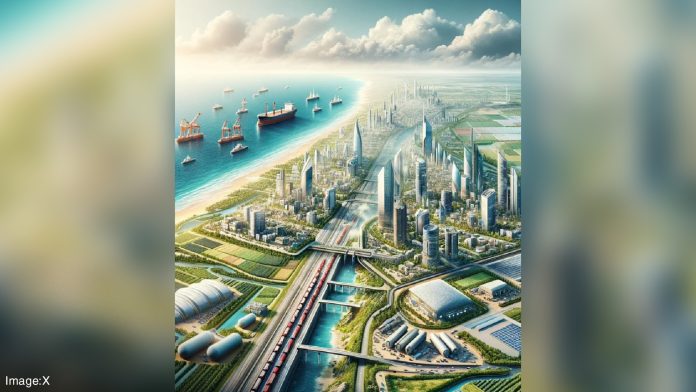
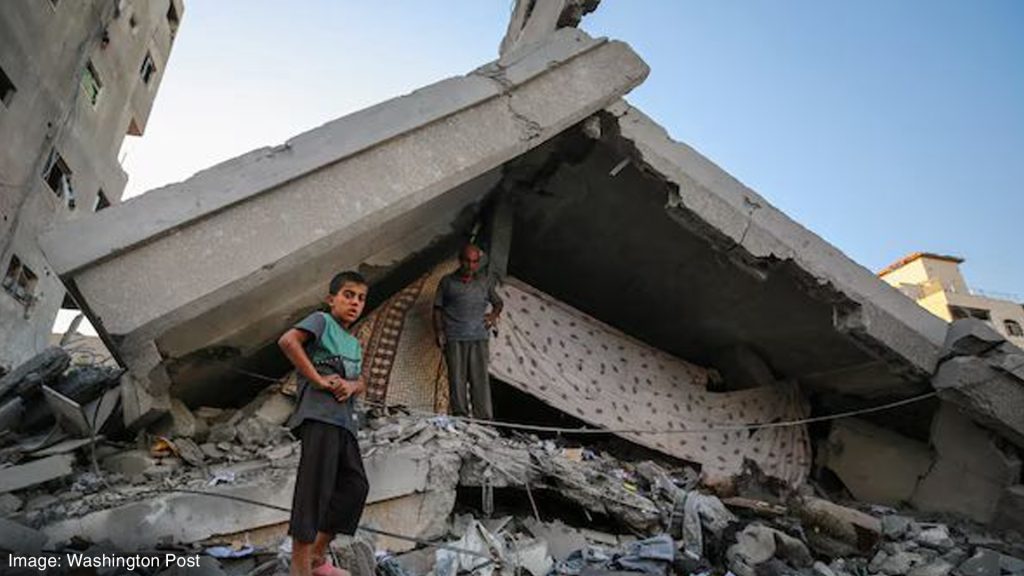
The document valued Gaza today at “practically $0” and projected it could be worth $324 billion within a decade. It proposed resorts, ports, smart cities, data centers, and manufacturing zones, including projects named after Trump-linked and Gulf figures. Gaza’s destruction wasn’t only being mourned in this document. It was being modeled as a return on investment.
Who Was Linked To The Work

The plan was developed by some of the same Israeli businessmen who set up the US- and Israeli-backed Gaza Humanitarian Foundation, with financial modeling from a team then working for Boston Consulting Group. BCG later disavowed the work, telling a British parliamentary committee that some staff circumvented internal controls and that two senior partners involved were subsequently fired.

Why This Still Matters, Nine Months Later
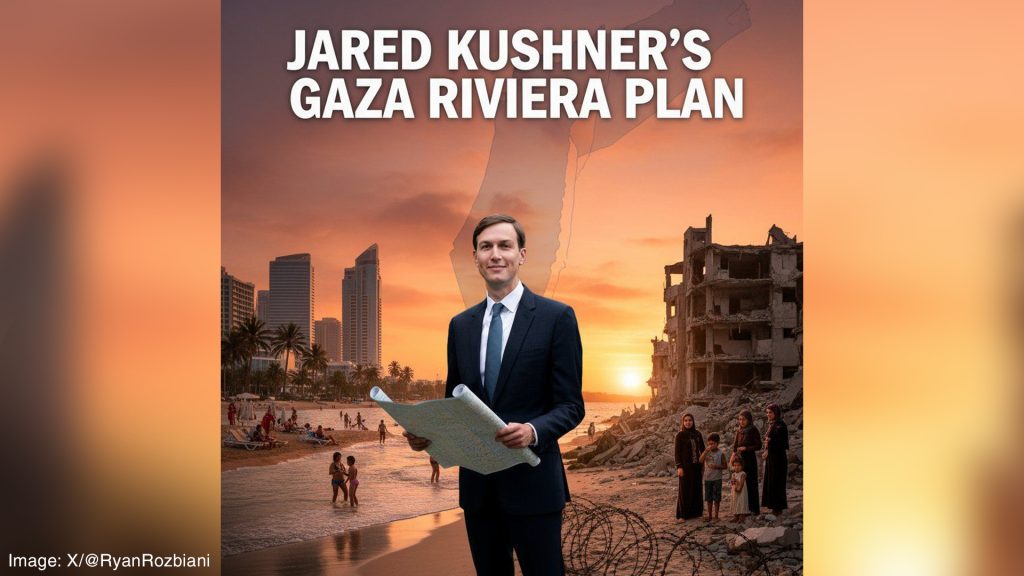
The plan was never formally adopted, but pieces of its logic, US trusteeship, investor returns, conditional Palestinian sovereignty, resurfaced in the 20-point plan Trump unveiled later and in a related blueprint from the Tony Blair Institute. Critics say what began as a leaked prospectus has become a template. The core question hasn’t changed: is “reconstruction” restoring life to the people who survived, or redesigning their homeland around the interests of whoever can afford to rebuild it.

Sources Used
Washington Post via CNBC

Times of Israel

Mondoweiss

Middle East Council on Global Affairs

The Leaked Gaza “Riviera” Plan Sold Reconstruction. Critics Still Call It Ethnic Cleansing.

By Verity Quill

What Was The GREAT Trust Gaza Plan?

In September 2025, the Washington Post obtained a 38-page postwar Gaza prospectus circulating inside the Trump administration. It was called the GREAT Trust, short for Gaza Reconstitution, Economic Acceleration and Transformation Trust, and it imagined Gaza placed under a US-administered trusteeship for at least a decade while the territory was rebuilt into a tourism, technology, and manufacturing hub. The proposal was never confirmed as official US policy, but it circulated among senior officials, including Secretary of State Marco Rubio, special envoy Steve Witkoff, and Jared Kushner, and was viewed by the Tony Blair Institute for Global Change.

A Reconstruction Plan Without Palestinian Sovereignty

The most explosive part wasn’t what the plan wanted to build. It was who would control Gaza while it happened. The document described Isr*el transferring “Administrative Authorities and Responsibilities in Gaza” to the trust under a US-Isr*el agreement, with Isr*el retaining rights to meet its security needs. Gaza’s future was being drafted without Palestinian sovereignty at the center. Critics saw a political architecture: foreign administration, Isr*eli security control, private contractors, and a Palestinian government pushed into some later, conditional stage.

The Relocation Question

The plan offered Gazans who left $5,000, four years of rent support, and a year of food assistance, describing this as “voluntary” relocation. Rutgers law professor Adil Haque said denying Palestinians the right to return, regardless of financial incentives, would be unlawful. Critics argue that in a territory shattered by siege, hunger, and mass destruction, calling departure “voluntary” strains the meaning of the word. The document itself calculated that each departure would save the trust $23,000 compared to housing people who stayed.

Turning Gaza’s Ruins Into An Investment Pitch

The document valued Gaza today at “practically $0” and projected it could be worth $324 billion within a decade. It proposed resorts, ports, smart cities, data centers, and manufacturing zones, including projects named after Trump-linked and Gulf figures. Gaza’s destruction wasn’t only being mourned in this document. It was being modeled as a return on investment.

Who Was Linked To The Work

The plan was developed by some of the same Israeli businessmen who set up the US- and Israeli-backed Gaza Humanitarian Foundation, with financial modeling from a team then working for Boston Consulting Group. BCG later disavowed the work, telling a British parliamentary committee that some staff circumvented internal controls and that two senior partners involved were subsequently fired.

Why This Still Matters, Nine Months Later

The plan was never formally adopted, but pieces of its logic, US trusteeship, investor returns, conditional Palestinian sovereignty, resurfaced in the 20-point plan Trump unveiled later and in a related blueprint from the Tony Blair Institute. Critics say what began as a leaked prospectus has become a template. The core question hasn’t changed: is “reconstruction” restoring life to the people who survived, or redesigning their homeland around the interests of whoever can afford to rebuild it.

Sources Used

Washington Post via CNBC

Times of Israel

Mondoweiss

Middle East Council on Global Affairs

spot_img

Explore more

spot_img
Global Affairs

China Has Written Uyghur Erasure Into Law.

Christopher Nolan Filmed The Odyssey On Occupied Land. Behind It Sits...

From Teen Suicide To Fake Nudes: The Human Cost Of The...

She Was Blinded At 14. Bollywood Called It “Limited Damage.”

Isr*el’s Sexual Abuse Crisis Is Not A Scandal. It Is A...

Qualified, Shortlisted, Then Shut Out: Black Doctors In The UK Face...

Behind Messi’s Silence On Gaza Lies A Web Of Isr*eli Ties

The Fight For Jerusalem Begins With Who Controls Its Story