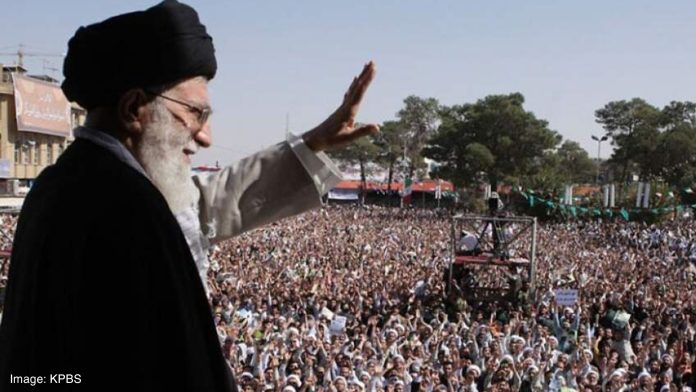
The Muslim World Rose and Fell. Iran Never Moved.

What’s happening

In June 2012, Mohamed Morsi stood in Tahrir Square and told a crowd of thousands that Egypt belonged to its people. The Muslim Brotherhood had just won a democratic election. The Arab Spring had produced something real.

Thirteen months later, the military moved in. Morsi was arrested. The Brotherhood was dissolved. Everything they had built inside the system was dismantled in weeks.

Tunisia took a different road but arrived at a similar place. Its leading Islamist movement stayed in the game by softening its edges, compromising its positions, and trading ideology for survival. It remained. But it became something else in the process.

Two movements. Two paths. The same underlying problem.

Iran watched both. And kept building.

Why it matters

The distinction is not about ideology. It is about architecture.

Most movements focus on gaining power first. What comes after tends to be reactive. They inherit institutions that were never designed for them and try to adapt in real time, under pressure, without the structures to hold things together.

Iran took a different approach after 1979. Rather than relying on existing state institutions, it built parallel ones aligned with its own framework. Over decades, these structures deepened. Ideology and governance became interconnected rather than separate tracks running alongside each other.
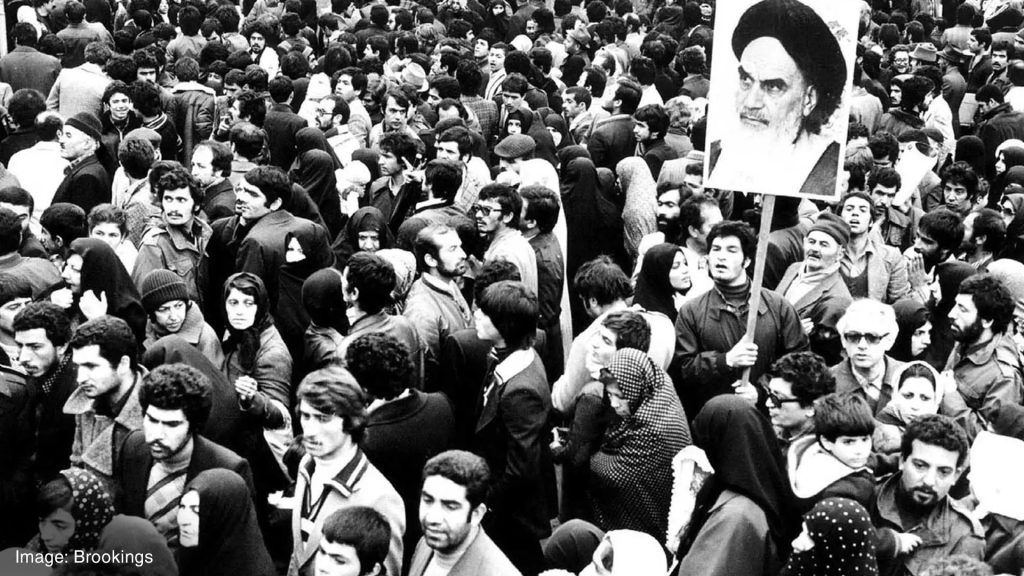
Under Ali Khamenei, the emphasis shifted further toward continuity and long-term functioning under sustained external pressure. Sanctions came. Isolation came. Regional instability came. The system absorbed all of it and kept moving.

That is not an accident. That is design.

Bigger picture

This is a pattern that runs through political history far beyond the Muslim world.

Winning is often the easier phase. It comes with momentum, public energy, and the goodwill of people who believed change was possible. Sustaining it is where most movements collapse. Expectations rise. Resources tighten. Opponents regroup. And movements built on energy rather than structure start to fade.

Egypt had the energy. It did not have the structure. When the pressure came, there was nothing underneath to hold.

Iran had both. That combination is rarer than it sounds.

The system is not without its failures, its contradictions, or its critics. But it has done what almost no comparable movement in the region has managed. It has lasted. It has adapted. And it has done so largely on its own terms, without becoming something unrecognisable in the process.

Movements built on momentum tend to peak the moment they win. Systems built with depth tend to outlast the moment entirely.

What next

The question now is what comes after Khamenei.

Every system built around a central figure faces its hardest test at the point of succession. Iran has navigated this before. Whether the structures it built are deep enough to survive another transition without fracturing is the real open question.
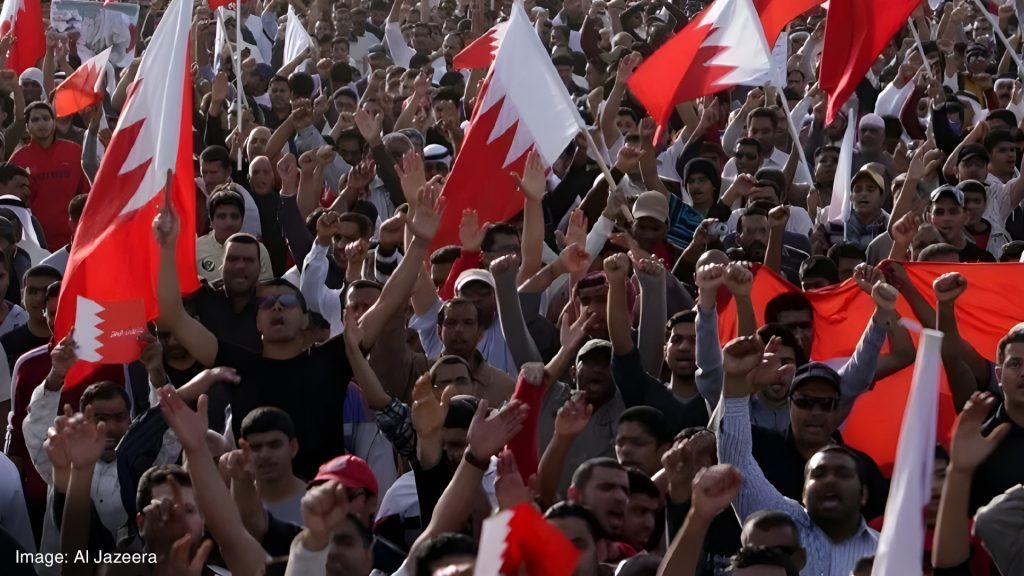
Across the region, newer movements are watching and adjusting. Some are beginning to prioritise governance and institutional depth earlier, before the moment of victory rather than after. The lesson from Egypt and Tunisia has not been lost.

Iran’s path is one model. Not a perfect one. Not a universally admired one.

But it is a model that has done the one thing every other movement in this comparison failed to do.

It held.

Sources: Reuters, BBC, Al Jazeera, The Guardian, AP News, Tasnim News Agency
What’s happening

In June 2012, Mohamed Morsi stood in Tahrir Square and told a crowd of thousands that Egypt belonged to its people. The Muslim Brotherhood had just won a democratic election. The Arab Spring had produced something real.

Thirteen months later, the military moved in. Morsi was arrested. The Brotherhood was dissolved. Everything they had built inside the system was dismantled in weeks.

Tunisia took a different road but arrived at a similar place. Its leading Islamist movement stayed in the game by softening its edges, compromising its positions, and trading ideology for survival. It remained. But it became something else in the process.

Two movements. Two paths. The same underlying problem.

Iran watched both. And kept building.

Why it matters

The distinction is not about ideology. It is about architecture.

Most movements focus on gaining power first. What comes after tends to be reactive. They inherit institutions that were never designed for them and try to adapt in real time, under pressure, without the structures to hold things together.

Iran took a different approach after 1979. Rather than relying on existing state institutions, it built parallel ones aligned with its own framework. Over decades, these structures deepened. Ideology and governance became interconnected rather than separate tracks running alongside each other.

Under Ali Khamenei, the emphasis shifted further toward continuity and long-term functioning under sustained external pressure. Sanctions came. Isolation came. Regional instability came. The system absorbed all of it and kept moving.

That is not an accident. That is design.

Bigger picture

This is a pattern that runs through political history far beyond the Muslim world.

Winning is often the easier phase. It comes with momentum, public energy, and the goodwill of people who believed change was possible. Sustaining it is where most movements collapse. Expectations rise. Resources tighten. Opponents regroup. And movements built on energy rather than structure start to fade.

Egypt had the energy. It did not have the structure. When the pressure came, there was nothing underneath to hold.

Iran had both. That combination is rarer than it sounds.

The system is not without its failures, its contradictions, or its critics. But it has done what almost no comparable movement in the region has managed. It has lasted. It has adapted. And it has done so largely on its own terms, without becoming something unrecognisable in the process.

Movements built on momentum tend to peak the moment they win. Systems built with depth tend to outlast the moment entirely.

What next

The question now is what comes after Khamenei.

Every system built around a central figure faces its hardest test at the point of succession. Iran has navigated this before. Whether the structures it built are deep enough to survive another transition without fracturing is the real open question.

Across the region, newer movements are watching and adjusting. Some are beginning to prioritise governance and institutional depth earlier, before the moment of victory rather than after. The lesson from Egypt and Tunisia has not been lost.

Iran’s path is one model. Not a perfect one. Not a universally admired one.

But it is a model that has done the one thing every other movement in this comparison failed to do.

It held.

Sources: Reuters, BBC, Al Jazeera, The Guardian, AP News, Tasnim News Agency
spot_img

Explore more

spot_img
Global Affairs

Trump Cut Off Cuba’s Oil. Now Its People Are Preparing For...

A French Company Paid Terrorists To Keep A Factory Running. Now...

They Were Burned Alive In Their Sleep. Police Say Their Classmates...

Musk Amplified The Rage. AI Made The Hitlist. Belfast Burned.

From Settlement Sales To Celebrity Ads: The Business Of Selling Israeli...

Bodies Of Evidence: The Explosive Al Jazeera Film Exposing Horrors Inside...

Isr*el Is Burning Lebanon From The Sky