AMERICA VOTES TOMORROW: THE MIDTERMS THAT COULD REDEFINE TRUMP’S SECOND TERM

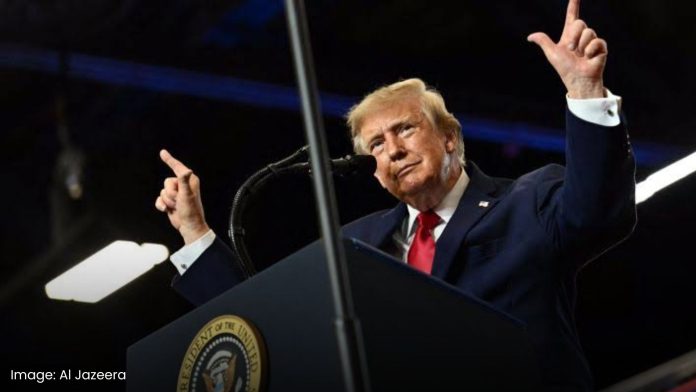
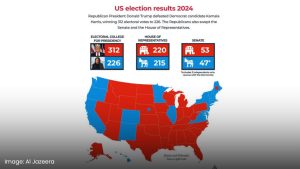
Americans vote on Tuesday in midterm elections that will decide control of both chambers of Congress, 36 governorships and thousands of state and local offices. Donald Trump is not on the ballot, but the contest works as a referendum on his presidency. Democrats need a net gain of three House seats and four Senate seats. Major forecasters give them the edge in the House and a slight lead in the Senate.

What is at stake?

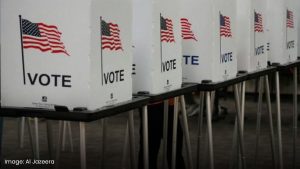
All 435 House seats and 35 Senate seats are being contested, including special elections for the seats once held by Marco Rubio and JD Vance. Voters in 39 states will also decide 145 ballot measures covering abortion, taxes and redistricting. The new Congress takes office on January 3, 2027, and will control federal spending, judicial confirmations and oversight of the administration. Control of the House also decides whether impeachment proceedings are possible, since only that chamber can begin them.

Why are Democrats favoured?

History is the first factor. The president’s party has lost House seats in 18 of 20 midterms since 1946, by about 26 seats on average. Trump’s approval stands at 37 percent in Emerson College’s latest national poll and at 40 percent in an NBC News poll. Emerson also found Democrats leading Republicans 52 to 42 among likely voters.

Voter discontent over rising prices and the Iran war has widened the opening for Democrats, including in traditionally Republican states such as Texas and Alaska, which NBC’s Decision Desk treats as competitive.
Why is a Democratic win not guaranteed?

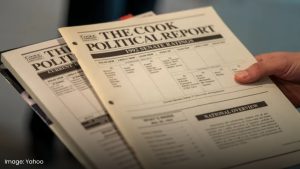
The Senate map is the harder task. The seats up this year are among the most Republican-leaning in the country, and Democrats must hold every seat they defend while flipping four. Cook rates Alaska, Iowa, Kansas, Maine, Ohio and Texas as Republican-held toss-ups, with Michigan’s open seat the Democratic one at risk. That race tightened on the eve of the vote when Representative Haley Stevens, who lost the Democratic primary to Abdul El-Sayed, endorsed his Republican opponent, Mike Rogers.

Redistricting adds a further complication. Texas, Florida and other Republican-led states have redrawn their maps, while California has responded with a Democratic one. Political scientist Todd Belt estimates that Republicans gain an edge in about nine more districts, although other analysts judge the net effect to be smaller.
What does it mean for foreign policy?

A Democratic majority in either chamber would end unified Republican control. Democrats could block legislation, open investigations and use the spending bills as leverage, and a Senate majority could reject nominees. Congress can also force votes on military action under the War Powers Resolution, but the president can veto them. Winning both chambers would still not give Democrats full control, since Trump keeps his veto and most Senate bills need 60 votes to end debate.

Rubio has argued that the midterms will not alter the president’s foreign policy directives, and Belt expects a president facing a divided Congress to turn more of his attention abroad. In September, Al Jazeera reported Trump’s claim that the Iran war would end immediately after the elections.

When will the result be known?

Probably not on election night. The first polls close at 6 p.m. Eastern Time, and the last close in Alaska at 1 a.m. Eastern. Florida, North Carolina, Georgia and Texas usually count quickly, but Michigan, Wisconsin and Pennsylvania may take until the following day if races are close. California and Alaska can take weeks, and Georgia holds a Senate runoff on December 1 if no candidate wins a majority.
REFERENCE

https://clashreport.com/world/articles/us-midterm-elections-explained-what-is-at-stake-odds-and-result-times-0axa8043zqeg

https://www.nbcnews.com/politics/2026-elections/midterms

https://www.aljazeera.com/news/2026/10/31/can-democrats-win-the-us-senate-10-key-midterm-races-to-watch

Americans vote on Tuesday in midterm elections that will decide control of both chambers of Congress, 36 governorships and thousands of state and local offices. Donald Trump is not on the ballot, but the contest works as a referendum on his presidency. Democrats need a net gain of three House seats and four Senate seats. Major forecasters give them the edge in the House and a slight lead in the Senate.

What is at stake?

All 435 House seats and 35 Senate seats are being contested, including special elections for the seats once held by Marco Rubio and JD Vance. Voters in 39 states will also decide 145 ballot measures covering abortion, taxes and redistricting. The new Congress takes office on January 3, 2027, and will control federal spending, judicial confirmations and oversight of the administration. Control of the House also decides whether impeachment proceedings are possible, since only that chamber can begin them.

Why are Democrats favoured?

History is the first factor. The president’s party has lost House seats in 18 of 20 midterms since 1946, by about 26 seats on average. Trump’s approval stands at 37 percent in Emerson College’s latest national poll and at 40 percent in an NBC News poll. Emerson also found Democrats leading Republicans 52 to 42 among likely voters.

Voter discontent over rising prices and the Iran war has widened the opening for Democrats, including in traditionally Republican states such as Texas and Alaska, which NBC’s Decision Desk treats as competitive.

Why is a Democratic win not guaranteed?

The Senate map is the harder task. The seats up this year are among the most Republican-leaning in the country, and Democrats must hold every seat they defend while flipping four. Cook rates Alaska, Iowa, Kansas, Maine, Ohio and Texas as Republican-held toss-ups, with Michigan’s open seat the Democratic one at risk. That race tightened on the eve of the vote when Representative Haley Stevens, who lost the Democratic primary to Abdul El-Sayed, endorsed his Republican opponent, Mike Rogers.

Redistricting adds a further complication. Texas, Florida and other Republican-led states have redrawn their maps, while California has responded with a Democratic one. Political scientist Todd Belt estimates that Republicans gain an edge in about nine more districts, although other analysts judge the net effect to be smaller.

What does it mean for foreign policy?

A Democratic majority in either chamber would end unified Republican control. Democrats could block legislation, open investigations and use the spending bills as leverage, and a Senate majority could reject nominees. Congress can also force votes on military action under the War Powers Resolution, but the president can veto them. Winning both chambers would still not give Democrats full control, since Trump keeps his veto and most Senate bills need 60 votes to end debate.

Rubio has argued that the midterms will not alter the president’s foreign policy directives, and Belt expects a president facing a divided Congress to turn more of his attention abroad. In September, Al Jazeera reported Trump’s claim that the Iran war would end immediately after the elections.

When will the result be known?

Probably not on election night. The first polls close at 6 p.m. Eastern Time, and the last close in Alaska at 1 a.m. Eastern. Florida, North Carolina, Georgia and Texas usually count quickly, but Michigan, Wisconsin and Pennsylvania may take until the following day if races are close. California and Alaska can take weeks, and Georgia holds a Senate runoff on December 1 if no candidate wins a majority.

REFERENCE

https://clashreport.com/world/articles/us-midterm-elections-explained-what-is-at-stake-odds-and-result-times-0axa8043zqeg

https://www.nbcnews.com/politics/2026-elections/midterms

https://www.aljazeera.com/news/2026/10/31/can-democrats-win-the-us-senate-10-key-midterm-races-to-watch

spot_img

Explore more

spot_img
Global Affairs

ARRESTED, HELD FOR YEARS, AND DEAD: THE UN WORKERS CAUGHT IN...

Why Are Authorities Trying to Seal Madrasas in Uttarakhand?

“MOTHER COWS WILL GO EXTINCT”, WHY WERE THREE MUSLIM MEN SENTENCED...

ONE YEAR SINCE EL FASHER MASSACRE: HAS THE WORLD FORGOTTEN SUDAN?

1.8 Million Women. Is Pakistan Safe Online?

A Shooting Raises Fresh Fears of Anti-Muslim Violence

You Can Wear What You Want, Unless It’s a Niqab!

They Risked Their Lives to Save Her: The Courage of Palestinians...