

ARRESTED, HELD FOR YEARS, AND DEAD: THE UN WORKERS CAUGHT IN YEMEN’S CRACKDOWN

The de.ath of Mohammad el-Shami, a Yemeni employee of the United Nations Human Rights Office, has raised renewed concerns over the safety of humanitarian and civil society workers detained by Houthi authorities. El-Shami had been held since June 6, 2024. According to UN High Commissioner for Human Rights Volker Türk, his family was informed of his de.ath only recently, more than a month after it occurred. They have not received an explanation of the circumstances surrounding his de.ath. The UN has demanded full transparency and an urgent, independent investigation.

However, El-Shami’s de.ath is part of a much wider pattern of arrests that began in 2024 and has continued through 2026.


How did the arrests begin?

On May 31, 2024, Houthi security forces began detaining employees of Yemeni civil society organisations. On June 6, another wave of arrests targeted UN personnel and workers from international and local non-governmental organisations operating in areas under Houthi control.

The arrests did not stop there. Further detentions took place in January 2025 and during subsequent raids on UN offices and international organisations. According to Human Rights Watch, the authorities also raided offices, seized equipment and detained employees for questioning.

The UN has repeatedly condemned these actions, describing the detentions as arbitrary and calling for the immediate and unconditional release of its personnel. In its June 2026 statement, the UN Secretary-General’s spokesperson said that 73 UN personnel remained arbitrarily detained, with some being held incommunicado.
Why are the Houthis accusing aid workers of espionage?

Houthi authorities have alleged that some employees of international organisations were involved in espionage activities for the United States and Israel. They have also accused humanitarian organisations of using their relief operations as a cover for intelligence gathering.

The group has broadcast footage of some detainees making alleged confessions and presenting them as members of foreign intelligence networks. However, Human Rights Watch has questioned the credibility of the accusations and reported that the authorities have not publicly provided clear evidence to substantiate them.

Human Rights Watch and Amnesty International have also documented allegations that some detainees were pressured or tortured into making confessions. Families have reported that several individuals were arrested without being shown warrants, held without contact with their relatives and denied adequate access to legal representation.
The risk of death sentences

The situation escalated further in August 2026, when Houthi authorities began referring cases involving humanitarian and human rights workers for criminal prosecution.

On October 6, Amnesty International and Human Rights Watch reported that at least eight individuals had been sent for prosecution on espionage-related charges. These included two UN employees, a UN consultant and five people associated with local and international civil society organisations.

The charges include espionage and aiding the enemy, offences that carry the death penalty under Yemeni law. The organisations called for the prosecutions to be halted and the detainees to be released. They also reported serious health concerns among those facing prosecution, including inadequate treatment for diabetes and cancer.

A humanitarian crisis made worse

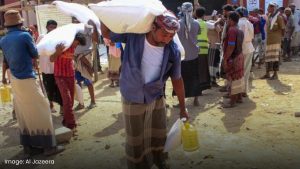
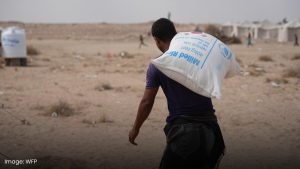
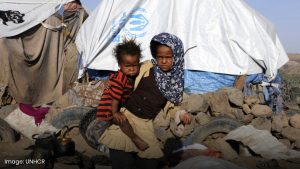
The consequences extend beyond the people behind bars. Yemen has endured years of conflict, displacement, economic collapse and widespread food insecurity. Millions of people depend on humanitarian assistance for basic necessities, including food, healthcare and clean water.

The detention of aid personnel has made it increasingly difficult for international organisations to operate safely. In February 2025, the UN suspended its operations in Saada governorate because of concerns about the security of its staff. The organisation has warned that continued arrests severely constrain its ability to assist people across the country.

El-Shami’s death is particularly concerning because it follows the death of a World Food Programme employee in Houthi custody in February 2025. The two cases have intensified fears about the safety of those who remain detained.

The Houthis have framed the arrests as a matter of national security, but allegations of espionage cannot replace transparent investigations, access to legal representation and fair judicial proceedings. The UN is demanding answers about El-Shami’s death and the release of those still detained.

For Yemen’s humanitarian community, the central concern is no longer only whether aid organisations can reach people in need. It is whether the people delivering that assistance can remain safe while doing so.
REFERENCE

https://www.ohchr.org/en/press-releases/2026/10/death-custody-un-human-rights-staff-member-yemen-devastating-turk-demands

https://www.aljazeera.com/news/2026/11/1/un-demands-investigation-after-staffers-death-in-houthi-custody-in-yemen

https://www.euronews.com/2026/11/01/un-demands-investigation-after-death-of-staff-member-held-in-houthi-custody-in-yemen

The de.ath of Mohammad el-Shami, a Yemeni employee of the United Nations Human Rights Office, has raised renewed concerns over the safety of humanitarian and civil society workers detained by Houthi authorities. El-Shami had been held since June 6, 2024. According to UN High Commissioner for Human Rights Volker Türk, his family was informed of his de.ath only recently, more than a month after it occurred. They have not received an explanation of the circumstances surrounding his de.ath. The UN has demanded full transparency and an urgent, independent investigation.

However, El-Shami’s de.ath is part of a much wider pattern of arrests that began in 2024 and has continued through 2026.

How did the arrests begin?

On May 31, 2024, Houthi security forces began detaining employees of Yemeni civil society organisations. On June 6, another wave of arrests targeted UN personnel and workers from international and local non-governmental organisations operating in areas under Houthi control.

The arrests did not stop there. Further detentions took place in January 2025 and during subsequent raids on UN offices and international organisations. According to Human Rights Watch, the authorities also raided offices, seized equipment and detained employees for questioning.

The UN has repeatedly condemned these actions, describing the detentions as arbitrary and calling for the immediate and unconditional release of its personnel. In its June 2026 statement, the UN Secretary-General’s spokesperson said that 73 UN personnel remained arbitrarily detained, with some being held incommunicado.

Why are the Houthis accusing aid workers of espionage?

Houthi authorities have alleged that some employees of international organisations were involved in espionage activities for the United States and Israel. They have also accused humanitarian organisations of using their relief operations as a cover for intelligence gathering.

The group has broadcast footage of some detainees making alleged confessions and presenting them as members of foreign intelligence networks. However, Human Rights Watch has questioned the credibility of the accusations and reported that the authorities have not publicly provided clear evidence to substantiate them.

Human Rights Watch and Amnesty International have also documented allegations that some detainees were pressured or tortured into making confessions. Families have reported that several individuals were arrested without being shown warrants, held without contact with their relatives and denied adequate access to legal representation.

The risk of death sentences

The situation escalated further in August 2026, when Houthi authorities began referring cases involving humanitarian and human rights workers for criminal prosecution.

On October 6, Amnesty International and Human Rights Watch reported that at least eight individuals had been sent for prosecution on espionage-related charges. These included two UN employees, a UN consultant and five people associated with local and international civil society organisations.

The charges include espionage and aiding the enemy, offences that carry the death penalty under Yemeni law. The organisations called for the prosecutions to be halted and the detainees to be released. They also reported serious health concerns among those facing prosecution, including inadequate treatment for diabetes and cancer.

A humanitarian crisis made worse

The consequences extend beyond the people behind bars. Yemen has endured years of conflict, displacement, economic collapse and widespread food insecurity. Millions of people depend on humanitarian assistance for basic necessities, including food, healthcare and clean water.

The detention of aid personnel has made it increasingly difficult for international organisations to operate safely. In February 2025, the UN suspended its operations in Saada governorate because of concerns about the security of its staff. The organisation has warned that continued arrests severely constrain its ability to assist people across the country.

El-Shami’s death is particularly concerning because it follows the death of a World Food Programme employee in Houthi custody in February 2025. The two cases have intensified fears about the safety of those who remain detained.

The Houthis have framed the arrests as a matter of national security, but allegations of espionage cannot replace transparent investigations, access to legal representation and fair judicial proceedings. The UN is demanding answers about El-Shami’s death and the release of those still detained.

For Yemen’s humanitarian community, the central concern is no longer only whether aid organisations can reach people in need. It is whether the people delivering that assistance can remain safe while doing so.

REFERENCE
https://www.ohchr.org/en/press-releases/2026/10/death-custody-un-human-rights-staff-member-yemen-devastating-turk-demands

https://www.aljazeera.com/news/2026/11/1/un-demands-investigation-after-staffers-death-in-houthi-custody-in-yemen

https://www.euronews.com/2026/11/01/un-demands-investigation-after-death-of-staff-member-held-in-houthi-custody-in-yemen

spot_img

Explore more

spot_img
Global Affairs

Why Are Authorities Trying to Seal Madrasas in Uttarakhand?

“MOTHER COWS WILL GO EXTINCT”, WHY WERE THREE MUSLIM MEN SENTENCED...

ONE YEAR SINCE EL FASHER MASSACRE: HAS THE WORLD FORGOTTEN SUDAN?

1.8 Million Women. Is Pakistan Safe Online?

A Shooting Raises Fresh Fears of Anti-Muslim Violence

You Can Wear What You Want, Unless It’s a Niqab!

They Risked Their Lives to Save Her: The Courage of Palestinians...

Netanyahu Could Lose the Election. But Will Palestinians See Any Real...