THE POLITICAL SHIFT WASHINGTON DIDN’T SEE COMING

The 2026 US midterm elections have delivered a message that extends beyond party politics: candidates who spoke openly about Palestinian rights, challenged unconditional US military support for Israel, and campaigned on civil rights have secured important victories, even as some faced well-funded opposition from pro-Israel political groups.

For years, critics of US policy towards Israel have argued that candidates who challenge the political consensus risk facing powerful electoral campaigns against them. This election has offered a striking test of that argument. Despite substantial outside spending in several contested races, a number of candidates associated with these positions emerged victorious.
A political message beyond Washington

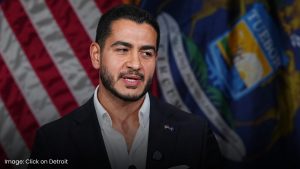
One of the most significant victories came in Michigan, where Abdul El-Sayed became the first Muslim elected to the US Senate. The physician and former public health official defeated Republican Mike Rogers after a campaign in which his Muslim identity became a political target. President Donald Trump and Republican allies questioned his alleged links to extremism, claims El-Sayed denied and for which no evidence was presented.

El-Sayed had also openly criticised unconditional American arms transfers to Israel and described its military campaign in Gaza as genocide. His victory is therefore significant not only as a milestone in representation, but also because a candidate who challenged established US policy towards Israel has secured a place in the Senate.
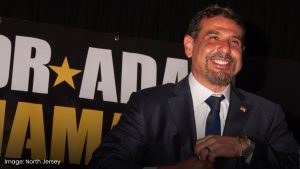
In New Jersey, Adam Hamawy, a former US Army combat physician who volunteered at a hospital in Gaza in 2024, became the first Muslim elected to represent the state in Congress. His campaign included calls for universal healthcare, debt relief and an end to US military assistance to Israel. In New York, Darializa Avila Chevalier, a civil rights investigator and advocate for Palestinian rights, also won a congressional seat.

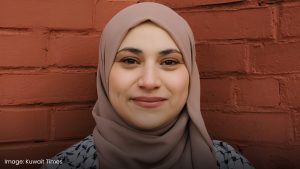
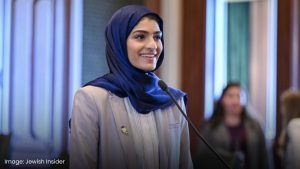
The victories extended beyond Congress. Nabeela Syed, a young Indian-American Muslim politician, won an Illinois State Senate seat, while Aber Kawas, a Palestinian-American community organiser and daughter of Palestinian refugees, made history in New York as the first Palestinian Muslim woman elected to the state’s legislature. Their victories bring Palestinian and Muslim representation into state-level policymaking as well.
The candidates who refused to back down

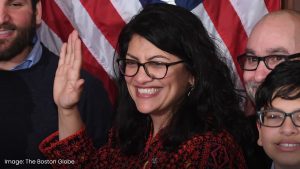
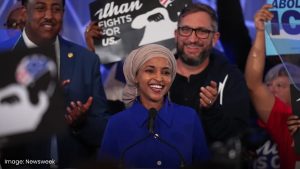
Incumbents Rashida Tlaib and Ilhan Omar also secured re-election. Tlaib, the only Palestinian-American member of Congress, has consistently called for Palestinian self-determination and greater scrutiny of US arms transfers. Omar has advocated humanitarian assistance and oversight of American foreign policy. Their victories ensure that these positions will continue to be represented in Congress.

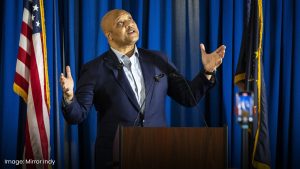
Meanwhile, civil rights advocate Lateefah Simon retained her California congressional seat, while Andre Carson won another term in Indiana. Their victories add to the presence of lawmakers who have made civil rights, humanitarian concerns and equal representation central to their public work.
A breakthrough for Black women

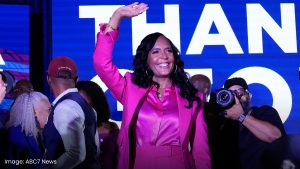
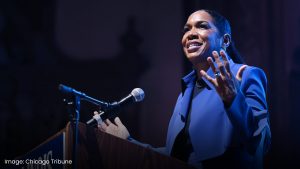
The election also produced historic victories for Black women in American politics. Keisha Lance Bottoms, former mayor of Atlanta, became the first Black woman elected governor of a US state after winning Georgia. Her victory also ended more than two decades of Republican control of the state’s governorship.

In Illinois, Juliana Stratton won her Senate race, meaning three Black women—Stratton, Lisa Blunt Rochester and Angela Alsobrooks—will serve simultaneously in the US Senate for the first time. These milestones represent a major expansion of political representation in institutions where Black women have historically been excluded.
When money cannot guarantee political victories

The results also come amid growing scrutiny of political spending by pro-Israel lobbying organisations. A Washington Post investigation published in March documented more than $5 million channelled by the political arm of AIPAC to groups involved in efforts to defeat Illinois Democrats critical of Israel. The investigation also described how affiliated organisations used less recognisable names while funding political advertising.

However, it is important to distinguish those documented spending efforts from the individual general-election campaigns: not every candidate featured here was directly targeted by the same organisations, and not every race involved the same financial dynamics.

What makes these midterms significant is that candidates advocating Palestinian rights and civil liberties have gained political ground despite an environment of intense political opposition. Their victories do not mean that US foreign policy will change overnight, nor do they guarantee that representation will translate into legislative action. But they do demonstrate that criticism of unconditional support for Israel has become part of a wider electoral conversation.
 

The 2026 US midterm elections have delivered a message that extends beyond party politics: candidates who spoke openly about Palestinian rights, challenged unconditional US military support for Israel, and campaigned on civil rights have secured important victories, even as some faced well-funded opposition from pro-Israel political groups.

For years, critics of US policy towards Israel have argued that candidates who challenge the political consensus risk facing powerful electoral campaigns against them. This election has offered a striking test of that argument. Despite substantial outside spending in several contested races, a number of candidates associated with these positions emerged victorious.

A political message beyond Washington

One of the most significant victories came in Michigan, where Abdul El-Sayed became the first Muslim elected to the US Senate. The physician and former public health official defeated Republican Mike Rogers after a campaign in which his Muslim identity became a political target. President Donald Trump and Republican allies questioned his alleged links to extremism, claims El-Sayed denied and for which no evidence was presented.

El-Sayed had also openly criticised unconditional American arms transfers to Israel and described its military campaign in Gaza as genocide. His victory is therefore significant not only as a milestone in representation, but also because a candidate who challenged established US policy towards Israel has secured a place in the Senate.

In New Jersey, Adam Hamawy, a former US Army combat physician who volunteered at a hospital in Gaza in 2024, became the first Muslim elected to represent the state in Congress. His campaign included calls for universal healthcare, debt relief and an end to US military assistance to Israel. In New York, Darializa Avila Chevalier, a civil rights investigator and advocate for Palestinian rights, also won a congressional seat.

The victories extended beyond Congress. Nabeela Syed, a young Indian-American Muslim politician, won an Illinois State Senate seat, while Aber Kawas, a Palestinian-American community organiser and daughter of Palestinian refugees, made history in New York as the first Palestinian Muslim woman elected to the state’s legislature. Their victories bring Palestinian and Muslim representation into state-level policymaking as well.

The candidates who refused to back down

Incumbents Rashida Tlaib and Ilhan Omar also secured re-election. Tlaib, the only Palestinian-American member of Congress, has consistently called for Palestinian self-determination and greater scrutiny of US arms transfers. Omar has advocated humanitarian assistance and oversight of American foreign policy. Their victories ensure that these positions will continue to be represented in Congress.

Meanwhile, civil rights advocate Lateefah Simon retained her California congressional seat, while Andre Carson won another term in Indiana. Their victories add to the presence of lawmakers who have made civil rights, humanitarian concerns and equal representation central to their public work.

A breakthrough for Black women

The election also produced historic victories for Black women in American politics. Keisha Lance Bottoms, former mayor of Atlanta, became the first Black woman elected governor of a US state after winning Georgia. Her victory also ended more than two decades of Republican control of the state’s governorship.

In Illinois, Juliana Stratton won her Senate race, meaning three Black women—Stratton, Lisa Blunt Rochester and Angela Alsobrooks—will serve simultaneously in the US Senate for the first time. These milestones represent a major expansion of political representation in institutions where Black women have historically been excluded.

When money cannot guarantee political victories

The results also come amid growing scrutiny of political spending by pro-Israel lobbying organisations. A Washington Post investigation published in March documented more than $5 million channelled by the political arm of AIPAC to groups involved in efforts to defeat Illinois Democrats critical of Israel. The investigation also described how affiliated organisations used less recognisable names while funding political advertising.

However, it is important to distinguish those documented spending efforts from the individual general-election campaigns: not every candidate featured here was directly targeted by the same organisations, and not every race involved the same financial dynamics.

What makes these midterms significant is that candidates advocating Palestinian rights and civil liberties have gained political ground despite an environment of intense political opposition. Their victories do not mean that US foreign policy will change overnight, nor do they guarantee that representation will translate into legislative action. But they do demonstrate that criticism of unconditional support for Israel has become part of a wider electoral conversation.

 

spot_img

Explore more

spot_img
Global Affairs

Black Sea: Is the Russia–Ukraine War Becoming a NATO Security Crisis?

AMERICA VOTES TOMORROW: THE MIDTERMS THAT COULD REDEFINE TRUMP’S SECOND TERM

ARRESTED, HELD FOR YEARS, AND DEAD: THE UN WORKERS CAUGHT IN...

Why Are Authorities Trying to Seal Madrasas in Uttarakhand?

“MOTHER COWS WILL GO EXTINCT”, WHY WERE THREE MUSLIM MEN SENTENCED...

ONE YEAR SINCE EL FASHER MASSACRE: HAS THE WORLD FORGOTTEN SUDAN?

1.8 Million Women. Is Pakistan Safe Online?

A Shooting Raises Fresh Fears of Anti-Muslim Violence