Why Are Authorities Trying to Seal Madrasas in Uttarakhand?

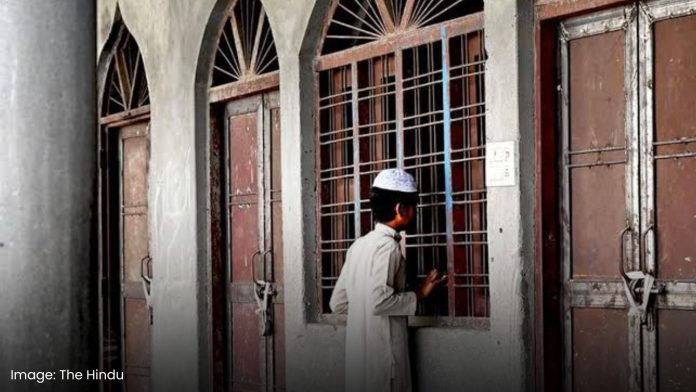
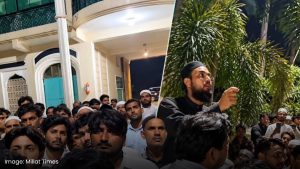
The recent attempt to seal a madrasa in Roorkee, Uttarakhand, has brought renewed attention to the state government’s changing approach to religious education. On October 28, 2026, an administrative team arrived at Darul Uloom Siddiqui Madrasa in Nanheda village, intending to seal the institution over alleged non-compliance with authorisation requirements. However, local residents and political leaders gathered to oppose the action. The management maintained that its documents were complete, and officials eventually issued a notice asking it to obtain the required permission before leaving without sealing the premises. In a separate operation, authorities sealed two rooms at Darus Salam Madrasa in Ladherdeva, Iqbalpur.

These incidents are not isolated enforcement actions. They are taking place amid a major overhaul of Uttarakhand’s madrasa regulatory system, which has changed how minority-run educational institutions are recognised and supervised.
The end of the Madrasa Board

In July 2026, Uttarakhand became the first Indian state to abolish its statutory Madrasa Education Board and replace it with the Uttarakhand State Authority for Minority Education (USAME). Previously, madrasas operated under the Uttarakhand Madrasa Education Board Act, 2016, and the state’s 2019 recognition rules. These were replaced by the Minority Education Act, 2025, and the Uttarakhand Minority Educational Institutions Recognition Rules, 2026.

The new authority is not limited to Muslim institutions. It is responsible for regulating educational institutions run by six notified minority communities: Muslims, Christians, Sikhs, Buddhists, Jains and Parsis. Under the new framework, institutions must complete a recognition process involving the Education Department and the minority education authority. They are also expected to meet prescribed academic, administrative and other requirements.

The government has defended the changes as an effort to improve educational standards, introduce modern subjects and bring minority institutions into the mainstream education system. Chief Minister Pushkar Singh Dhami has maintained that the new authority is intended to provide children with better educational opportunities while allowing them to remain connected to their cultural roots.
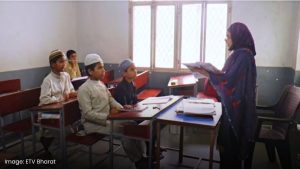
Why are madrasas facing closure?

The transition has created significant challenges for institutions previously recognised under the old system. The government says institutions must obtain recognition under the new framework before operating in accordance with its requirements. Those that fail to comply may face administrative action.

The scale of the transition is particularly significant. According to figures reported by The New Indian Express on September 17, departmental records showed that 179 of the 452 madrasas registered under the previous system were no longer operating. Only 30 had obtained recognition from the Education Department, while another 134 had applied. Separately, the new minority education authority had recognised 35 institutions, including 33 madrasas and two other minority-run institutions. These figures represent different recognition processes and should not be treated as a single combined total.

The government has also continued sealing institutions that it says have failed to meet recognition requirements. In September, The Indian Express reported that the state government had said 20 madrasas had been shut down, including 17 sealed by authorities and three whose managements had submitted written confirmations that they had stopped operating.
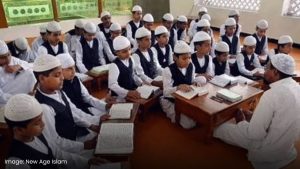
A further tightening of restrictions

The controversy has intensified with a proposed amendment to the Uttarakhand Minority Education Act. On October 27, the state government introduced an amendment bill in the Assembly that would provide for fines of up to ₹5 lakh and the sealing of institutions found violating provisions governing religious education. The proposed provisions also include the possibility of appointing a receiver and filing an FIR where a criminal offence is established. The reported proposal provides for an opportunity to be heard before action is taken. Importantly, the bill’s introduction should not be confused with its enactment into law.

This development raises questions about the extent of state control over religious education. While governments can establish educational standards and require institutions to comply with applicable laws, the enforcement of these rules can have serious consequences for communities whose educational institutions depend on recognition and permission to operate.
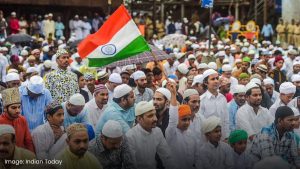
What does the Constitution say?

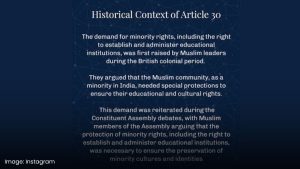
India’s Constitution provides protections for minority educational institutions. Article 30(1) gives religious and linguistic minorities the right to establish and administer educational institutions of their choice. However, this right does not exempt institutions from all regulation. The state can prescribe educational standards and impose lawful requirements, provided that such regulation does not undermine the constitutional protection itself.

Ultimately, the issue in Uttarakhand extends beyond whether madrasas should follow educational regulations. It concerns how those regulations are designed and enforced, whether institutions are given a fair opportunity to comply, and whether the autonomy of minority communities is being adequately protected. The government describes its reforms as an effort to improve education. But when recognition requirements are followed by sealing operations and further restrictions are proposed, an important question remains: where does legitimate educational regulation end and interference with minority educational rights begin?

 

The recent attempt to seal a madrasa in Roorkee, Uttarakhand, has brought renewed attention to the state government’s changing approach to religious education. On October 28, 2026, an administrative team arrived at Darul Uloom Siddiqui Madrasa in Nanheda village, intending to seal the institution over alleged non-compliance with authorisation requirements. However, local residents and political leaders gathered to oppose the action. The management maintained that its documents were complete, and officials eventually issued a notice asking it to obtain the required permission before leaving without sealing the premises. In a separate operation, authorities sealed two rooms at Darus Salam Madrasa in Ladherdeva, Iqbalpur.

These incidents are not isolated enforcement actions. They are taking place amid a major overhaul of Uttarakhand’s madrasa regulatory system, which has changed how minority-run educational institutions are recognised and supervised.

The end of the Madrasa Board

In July 2026, Uttarakhand became the first Indian state to abolish its statutory Madrasa Education Board and replace it with the Uttarakhand State Authority for Minority Education (USAME). Previously, madrasas operated under the Uttarakhand Madrasa Education Board Act, 2016, and the state’s 2019 recognition rules. These were replaced by the Minority Education Act, 2025, and the Uttarakhand Minority Educational Institutions Recognition Rules, 2026.

The new authority is not limited to Muslim institutions. It is responsible for regulating educational institutions run by six notified minority communities: Muslims, Christians, Sikhs, Buddhists, Jains and Parsis. Under the new framework, institutions must complete a recognition process involving the Education Department and the minority education authority. They are also expected to meet prescribed academic, administrative and other requirements.

The government has defended the changes as an effort to improve educational standards, introduce modern subjects and bring minority institutions into the mainstream education system. Chief Minister Pushkar Singh Dhami has maintained that the new authority is intended to provide children with better educational opportunities while allowing them to remain connected to their cultural roots.

Why are madrasas facing closure?

The transition has created significant challenges for institutions previously recognised under the old system. The government says institutions must obtain recognition under the new framework before operating in accordance with its requirements. Those that fail to comply may face administrative action.

The scale of the transition is particularly significant. According to figures reported by The New Indian Express on September 17, departmental records showed that 179 of the 452 madrasas registered under the previous system were no longer operating. Only 30 had obtained recognition from the Education Department, while another 134 had applied. Separately, the new minority education authority had recognised 35 institutions, including 33 madrasas and two other minority-run institutions. These figures represent different recognition processes and should not be treated as a single combined total.

The government has also continued sealing institutions that it says have failed to meet recognition requirements. In September, The Indian Express reported that the state government had said 20 madrasas had been shut down, including 17 sealed by authorities and three whose managements had submitted written confirmations that they had stopped operating.

A further tightening of restrictions

The controversy has intensified with a proposed amendment to the Uttarakhand Minority Education Act. On October 27, the state government introduced an amendment bill in the Assembly that would provide for fines of up to ₹5 lakh and the sealing of institutions found violating provisions governing religious education. The proposed provisions also include the possibility of appointing a receiver and filing an FIR where a criminal offence is established. The reported proposal provides for an opportunity to be heard before action is taken. Importantly, the bill’s introduction should not be confused with its enactment into law.

This development raises questions about the extent of state control over religious education. While governments can establish educational standards and require institutions to comply with applicable laws, the enforcement of these rules can have serious consequences for communities whose educational institutions depend on recognition and permission to operate.

What does the Constitution say?

India’s Constitution provides protections for minority educational institutions. Article 30(1) gives religious and linguistic minorities the right to establish and administer educational institutions of their choice. However, this right does not exempt institutions from all regulation. The state can prescribe educational standards and impose lawful requirements, provided that such regulation does not undermine the constitutional protection itself.

Ultimately, the issue in Uttarakhand extends beyond whether madrasas should follow educational regulations. It concerns how those regulations are designed and enforced, whether institutions are given a fair opportunity to comply, and whether the autonomy of minority communities is being adequately protected. The government describes its reforms as an effort to improve education. But when recognition requirements are followed by sealing operations and further restrictions are proposed, an important question remains: where does legitimate educational regulation end and interference with minority educational rights begin?
 

spot_img

Explore more

spot_img
Global Affairs

“MOTHER COWS WILL GO EXTINCT”, WHY WERE THREE MUSLIM MEN SENTENCED...

ONE YEAR SINCE EL FASHER MASSACRE: HAS THE WORLD FORGOTTEN SUDAN?

1.8 Million Women. Is Pakistan Safe Online?

A Shooting Raises Fresh Fears of Anti-Muslim Violence

You Can Wear What You Want, Unless It’s a Niqab!

They Risked Their Lives to Save Her: The Courage of Palestinians...

Netanyahu Could Lose the Election. But Will Palestinians See Any Real...

The Badr Pact Explained: Why Pakistan, Türkiye, Qatar and Indonesia Are...