Pakistan’s Indus Warning Is Bigger Than One Treaty
Pakistan has turned the Indus Waters Treaty dispute into an international warning about the weaponisation of water.
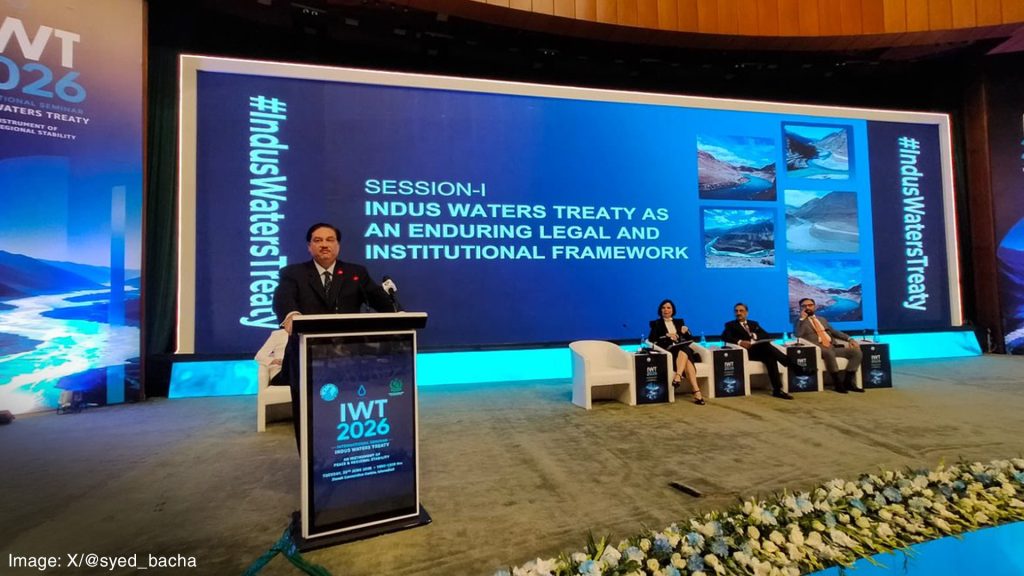
At a major seminar in Islamabad, Pakistani officials told international experts that India’s suspension of the Indus Waters Treaty was not just a bilateral dispute. They framed it as a dangerous example of how water can be turned into pressure against millions of people. AP reported that Pakistan warned India against the “weaponization of water” at the Islamabad seminar, while India has kept the treaty in abeyance after the 2025 Kashmir attack that New Delhi blamed on Pakistan-linked militants. Pakistan denies involvement.
“Our Lifeline, Not A Treaty”
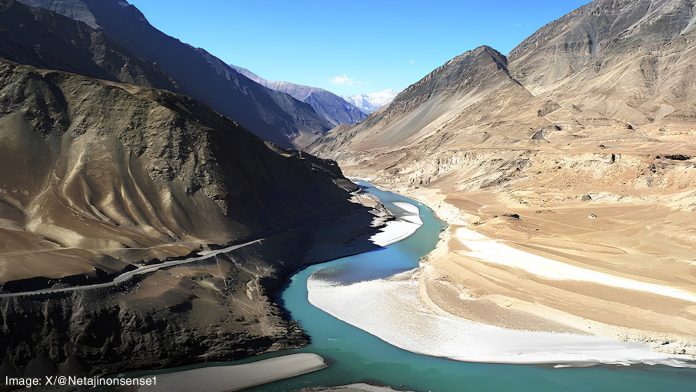
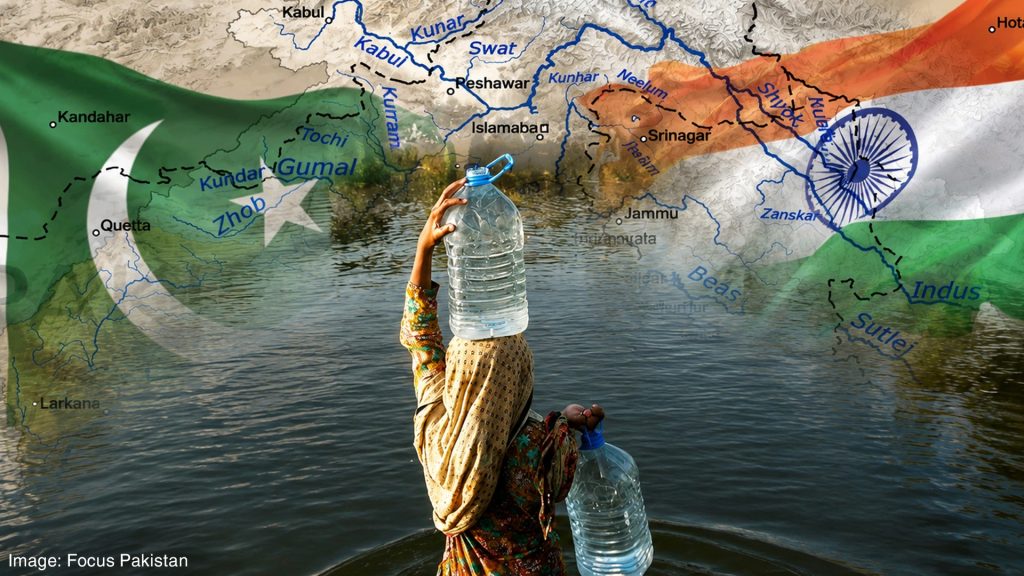
The reason Pakistan’s warning landed so strongly is simple. The Indus is not just a river system. It is the foundation of Pakistan’s agriculture, food security and rural economy.
Pakistan’s Information Minister, Attaullah Tarar, described the issue as the country’s “lifeline, not a treaty,” while officials argued the treaty cannot be suspended or revoked unilaterally. Arab News has reported that the treaty underpins roughly 80% of Pakistan’s agricultural water needs, water that begins not in India, but far upstream in the glaciers of Tibet and the Himalayas, a detail that becomes central to the summit’s sharpest warning.
Bilawal’s Global Water Warning
Bilawal Bhutto-Zardari pushed the issue further, calling on the international community to stop water from being turned into a political weapon. The Express Tribune reported he argued that no upstream state should be allowed to hold a downstream population hostage, and The Nation reported he warned Pakistan could respond militarily if it judged an attack on its rivers to be an act of war.
That is the larger point behind the Islamabad summit. If water can be used as leverage in one region, it becomes a warning for every country dependent on rivers that cross borders.
The Global Pattern Is Already Here
The Indus dispute is not happening in isolation.
The Pacific Institute tracks cases where water is a trigger, casualty or weapon of violence. Its 2025 update recorded 420 water-related conflict events in 2024, an 18% increase from 2023 and a 78% increase from 2022.
Gaza and Ukraine show why this matters. In modern wars, water systems are not only damaged as collateral infrastructure. They can become pressure points that affect health, food, sanitation and civilian survival. Once pipes, dams, treatment plants and river systems enter the battlefield, civilians pay first and accountability usually arrives last.
The Law Exists. The Enforcement Is The Problem.
International humanitarian law protects objects indispensable to civilian survival, including water infrastructure, and gives special protection to dams and similar installations because of the danger they pose to civilians if attacked. The ICRC states that attacking, destroying, removing or rendering useless objects indispensable to civilian survival is prohibited, while Additional Protocol I gives special protection to dams, dykes and similar installations.
Pakistan’s own Indus Waters Commissioner has written to his Indian counterpart four times since April 2025 over unexplained fluctuations in the Chenab’s flow, according to Dawn. He says he has not received a single reply, a small, concrete detail that captures the larger failure better than any legal citation.
That failure was named directly at the Islamabad seminar by Victor Gao, Vice President of the Centre for China and Globalization, who argued that threatening to stop water to millions in peacetime could amount to a crime against humanity, while doing so during wartime would amount to a war crime. His sharper point challenged India’s framing as the upstream power altogether, since the Indus flows down from Tibet, meaning China, not India, sits at the true source of the river system Pakistan depends on.
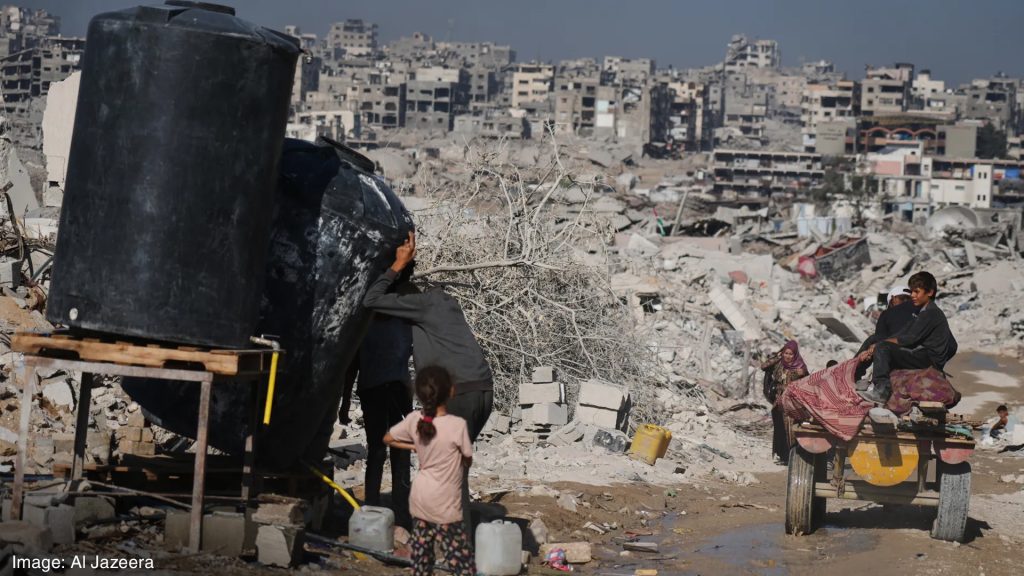
Pakistan’s warning is now part of a wider global demand: stop treating water like leverage, and start treating attacks or threats against water systems as attacks on civilian survival itself.
By Verity Quill
Sources
AP via Washington Post, Dawn, The Nation, Pacific Institute, Arab News, Express Tribune, Express Tribune