The World’s Next Major War Zone Is Already Here

The World’s Deadliest Terror Region

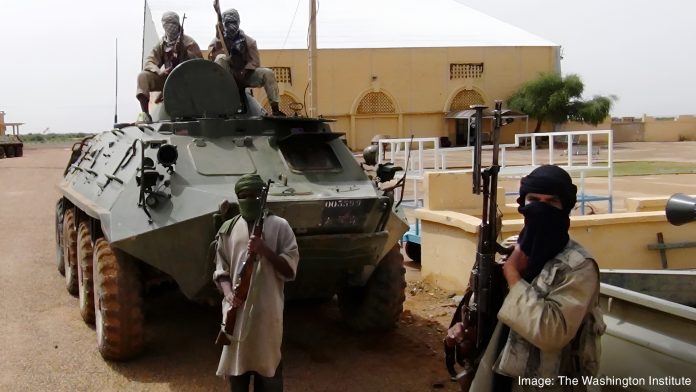
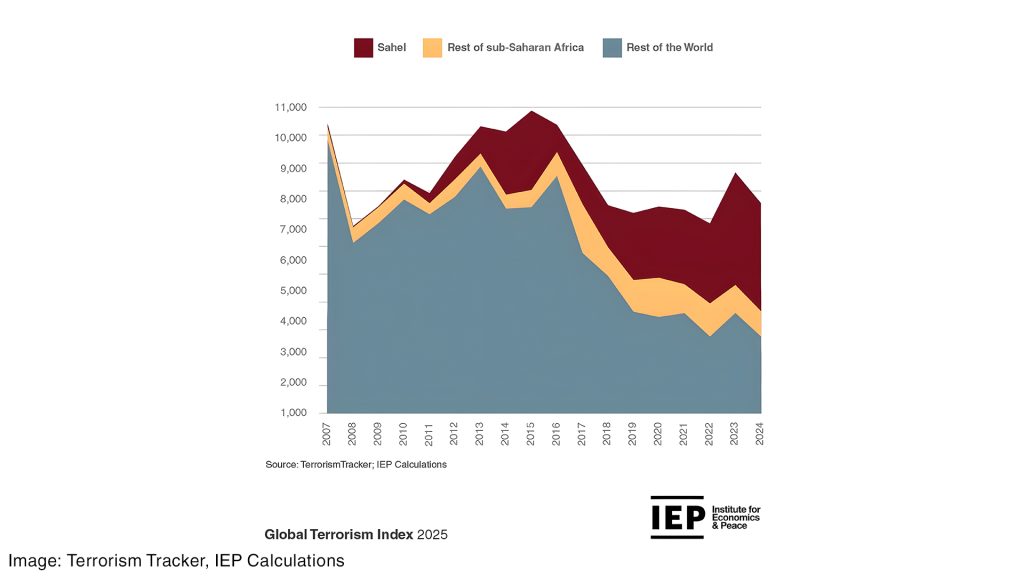
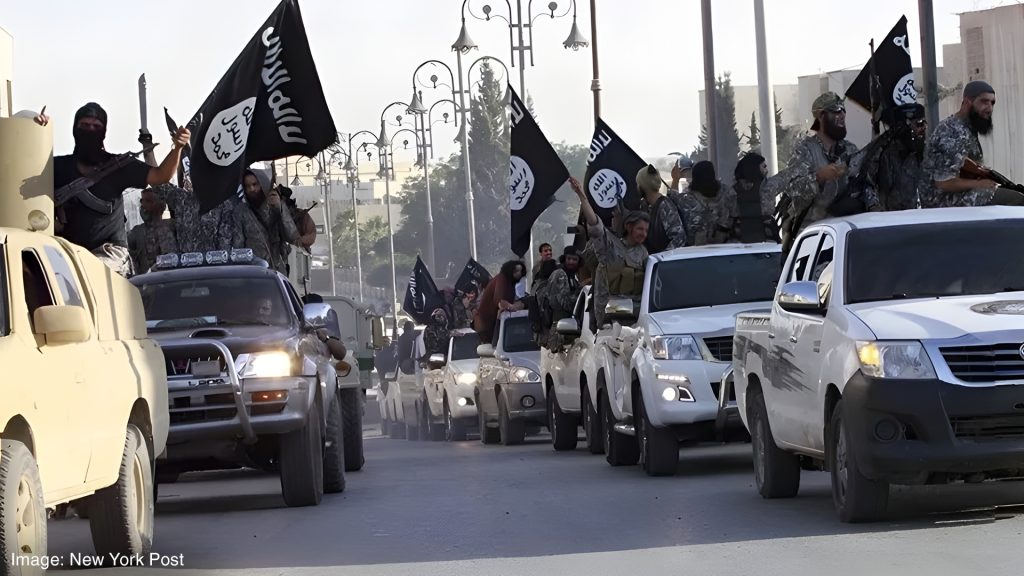
While much of the world’s attention remains fixed on Gaza, Ukraine and tensions in the Pacific, another conflict is rapidly intensifying across West Africa’s Sahel region. Stretching across countries like Mali, Burkina Faso and Niger, the Sahel now accounts for more than half of all terrorism deaths worldwide according to the Global Terrorism Index. What was once viewed as a series of isolated insurgencies has evolved into one of the world’s fastest-growing security crises. Armed groups linked to al-Qaeda and ISIS are expanding across vast territories while governments struggle to maintain control outside major cities. Entire regions are becoming increasingly unstable, yet the crisis continues to receive only fragments of sustained global attention.

The Offensive That Shook Mali

The latest escalation came in Mali, where fighters linked to the al-Qaeda-affiliated group JNIM launched coordinated attacks across multiple cities including Bamako, Gao, Kidal, Mopti and Sevare. The scale of the operation shocked analysts across the region. Militants reportedly used suicide bombers, kamikaze drones and heavily armed convoys during the offensive, marking a major escalation in the tactics being used by armed groups in West Africa. What unfolded looked less like a scattered insurgent raid and more like a coordinated military-style operation planned over several months.

The offensive also highlighted the growing relationship between JNIM and Tuareg separatist groups operating in northern Mali. Security experts have warned that the increasing cooperation between jihadist factions and separatist rebels is creating a far more dangerous insurgency that is becoming harder to isolate and contain. One rebel commander reportedly claimed the offensive had been planned for months and warned that Gao could become the next major target. Timbuktu, another historically significant city in northern Mali, is also increasingly viewed as vulnerable if the conflict continues expanding. JNIM declared a total siege of Bamako on April 28 and warned civilians to clear the way, raising fears that the Malian capital itself could face deeper instability if the conflict continues spreading southward.

A Defense Minister Assassinated. A Country in Shock.

Among the most consequential moments of the offensive was the killing of Mali’s Defense Minister Sadio Camara. He was not killed on a battlefield. A suicide bomber drove a car into his private residence in Kati, a military suburb on the outskirts of Bamako. Camara died alongside his second wife and two of his grandchildren. Civilians at a nearby mosque were also killed in the blast. He was buried on April 30. Western news cycles gave the story minimal coverage.

Camara was one of the most powerful figures in Mali’s ruling junta and widely regarded as a potential future leader of the country. His death was not simply the loss of a minister. It was a direct strike at the architecture of the military government itself.

In the aftermath, junta leader Gen. Assimi Goita assumed the duties of defense minister, consolidating military and defense authority in a single person at the precise moment the country faced its worst security crisis in over a decade. The power vacuum left by Camara’s death has also raised questions about the junta’s internal stability, with analysts warning that the attacks could create conditions for a new coup threat from within the military.

What followed was equally revealing. Rather than rallying the country, the junta moved to silence critics. Two opposition politicians, Mountaga Tall and Moussa Djire, were arrested and detained in the days after the attacks. Tall was abducted by hooded men believed to be from the state security apparatus on May 2. A close associate of prominent Islamic cleric Imam Mahmoud Dicko was also arrested on May 4. The junta is using the cover of a national emergency to remove political opposition. For the 22 million people living in Mali, it is the most consequential week in over a decade.

France Left. Russia Struggled To Fill The Vacuum.

The crisis is also exposing the limits of Russia’s growing military role in the Sahel. Between 2022 and 2023, military governments in Mali, Burkina Faso and Niger pushed out French forces in successive decisions, accusing Paris of failing to defeat insurgent groups despite years of counterterrorism operations. Russian security assistance, first through Wagner and later through Africa Corps, was presented as a tougher alternative capable of restoring stability without the political baggage associated with France’s colonial history.

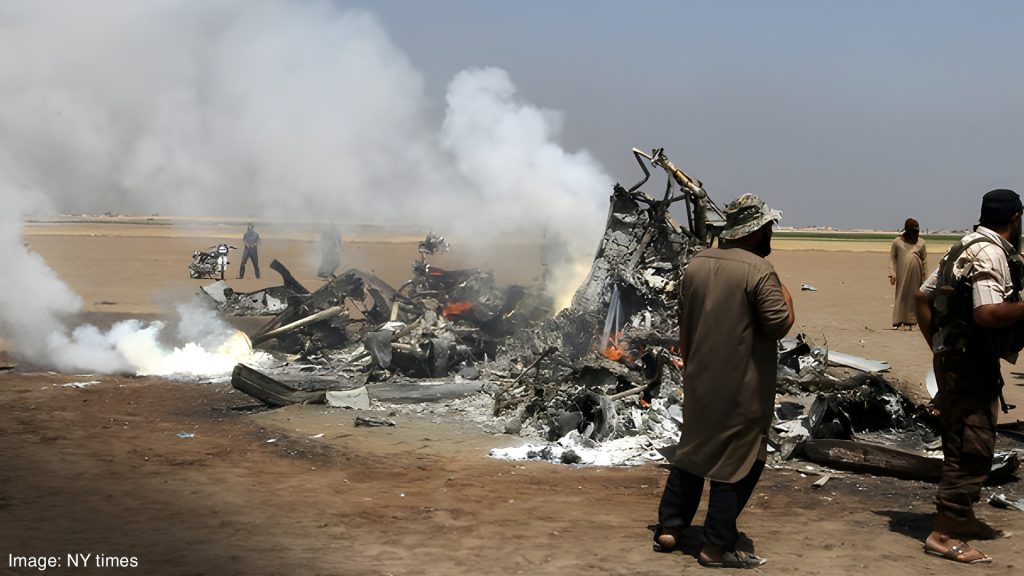
But the latest fighting has raised serious questions about whether that strategy is working. Russian-linked Africa Corps forces withdrew from key northern towns including Kidal, Tessalit and Aguelhok as militants intensified pressure across the region. Observers noted that equipment appeared to have been abandoned during some of the withdrawals, suggesting the retreats may have been more chaotic than officials publicly acknowledged. Reports also emerged claiming a Russian helicopter had been shot down during the fighting, while Russian officials privately admitted the loss of Kidal represented a major problem for Moscow’s regional strategy.
For years, Kidal had symbolic importance. Retaking it was presented as proof that Mali’s new military partnerships were succeeding where previous international efforts had failed. Its loss now risks becoming a symbol of how quickly the security situation is deteriorating again.

How The Conflict Is Evolving

The conflict is also changing in ways that make it harder to defeat through traditional counterinsurgency strategies. Militant groups are increasingly blending guerrilla warfare with drone attacks, siege tactics and coordinated assaults across multiple regions at once. At the same time, alliances between jihadist organizations and local separatist movements are reshaping the battlefield entirely. Analysts have also warned that violence against civilians by security forces and allied militias has fueled anger in some rural communities, creating opportunities for militant groups like JNIM to expand influence and recruit support. What was once treated as a localized insurgency is increasingly becoming a broader regional conflict with shifting alliances, evolving tactics and expanding territorial ambitions.
Why The Sahel Matters Beyond Africa

The implications extend far beyond Mali. The Sahel sits at the crossroads between North Africa, sub-Saharan Africa and key migration and trade routes leading toward Europe. Continued instability across the region could accelerate displacement, humanitarian crises, arms trafficking and militant expansion into coastal West African states. Security analysts have already warned that groups operating in Mali and Burkina Faso are attempting to push further south toward countries like Benin and potentially Ghana. For years, the world treated the Sahel as a secondary security issue. Today, it is becoming increasingly difficult to ignore that one of the world’s largest and most dangerous conflicts is unfolding across West Africa in real time.

Sources: AP, Reuters, Al Jazeera, NPR, Washington Post, Le Monde, Africanews, Vision of Humanity, CFR

#Verum #Sahel #Mali #WestAfrica #Africa #JNIM #BurkinaFaso #Niger #Russia #GlobalNews

The World’s Deadliest Terror Region

While much of the world’s attention remains fixed on Gaza, Ukraine and tensions in the Pacific, another conflict is rapidly intensifying across West Africa’s Sahel region. Stretching across countries like Mali, Burkina Faso and Niger, the Sahel now accounts for more than half of all terrorism deaths worldwide according to the Global Terrorism Index. What was once viewed as a series of isolated insurgencies has evolved into one of the world’s fastest-growing security crises. Armed groups linked to al-Qaeda and ISIS are expanding across vast territories while governments struggle to maintain control outside major cities. Entire regions are becoming increasingly unstable, yet the crisis continues to receive only fragments of sustained global attention.

The Offensive That Shook Mali

The latest escalation came in Mali, where fighters linked to the al-Qaeda-affiliated group JNIM launched coordinated attacks across multiple cities including Bamako, Gao, Kidal, Mopti and Sevare. The scale of the operation shocked analysts across the region. Militants reportedly used suicide bombers, kamikaze drones and heavily armed convoys during the offensive, marking a major escalation in the tactics being used by armed groups in West Africa. What unfolded looked less like a scattered insurgent raid and more like a coordinated military-style operation planned over several months.

The offensive also highlighted the growing relationship between JNIM and Tuareg separatist groups operating in northern Mali. Security experts have warned that the increasing cooperation between jihadist factions and separatist rebels is creating a far more dangerous insurgency that is becoming harder to isolate and contain. One rebel commander reportedly claimed the offensive had been planned for months and warned that Gao could become the next major target. Timbuktu, another historically significant city in northern Mali, is also increasingly viewed as vulnerable if the conflict continues expanding. JNIM declared a total siege of Bamako on April 28 and warned civilians to clear the way, raising fears that the Malian capital itself could face deeper instability if the conflict continues spreading southward.

A Defense Minister Assassinated. A Country in Shock.

Among the most consequential moments of the offensive was the killing of Mali’s Defense Minister Sadio Camara. He was not killed on a battlefield. A suicide bomber drove a car into his private residence in Kati, a military suburb on the outskirts of Bamako. Camara died alongside his second wife and two of his grandchildren. Civilians at a nearby mosque were also killed in the blast. He was buried on April 30. Western news cycles gave the story minimal coverage.

Camara was one of the most powerful figures in Mali’s ruling junta and widely regarded as a potential future leader of the country. His death was not simply the loss of a minister. It was a direct strike at the architecture of the military government itself.

In the aftermath, junta leader Gen. Assimi Goita assumed the duties of defense minister, consolidating military and defense authority in a single person at the precise moment the country faced its worst security crisis in over a decade. The power vacuum left by Camara’s death has also raised questions about the junta’s internal stability, with analysts warning that the attacks could create conditions for a new coup threat from within the military.

What followed was equally revealing. Rather than rallying the country, the junta moved to silence critics. Two opposition politicians, Mountaga Tall and Moussa Djire, were arrested and detained in the days after the attacks. Tall was abducted by hooded men believed to be from the state security apparatus on May 2. A close associate of prominent Islamic cleric Imam Mahmoud Dicko was also arrested on May 4. The junta is using the cover of a national emergency to remove political opposition. For the 22 million people living in Mali, it is the most consequential week in over a decade.

France Left. Russia Struggled To Fill The Vacuum.

The crisis is also exposing the limits of Russia’s growing military role in the Sahel. Between 2022 and 2023, military governments in Mali, Burkina Faso and Niger pushed out French forces in successive decisions, accusing Paris of failing to defeat insurgent groups despite years of counterterrorism operations. Russian security assistance, first through Wagner and later through Africa Corps, was presented as a tougher alternative capable of restoring stability without the political baggage associated with France’s colonial history.

But the latest fighting has raised serious questions about whether that strategy is working. Russian-linked Africa Corps forces withdrew from key northern towns including Kidal, Tessalit and Aguelhok as militants intensified pressure across the region. Observers noted that equipment appeared to have been abandoned during some of the withdrawals, suggesting the retreats may have been more chaotic than officials publicly acknowledged. Reports also emerged claiming a Russian helicopter had been shot down during the fighting, while Russian officials privately admitted the loss of Kidal represented a major problem for Moscow’s regional strategy.

For years, Kidal had symbolic importance. Retaking it was presented as proof that Mali’s new military partnerships were succeeding where previous international efforts had failed. Its loss now risks becoming a symbol of how quickly the security situation is deteriorating again.

How The Conflict Is Evolving

The conflict is also changing in ways that make it harder to defeat through traditional counterinsurgency strategies. Militant groups are increasingly blending guerrilla warfare with drone attacks, siege tactics and coordinated assaults across multiple regions at once. At the same time, alliances between jihadist organizations and local separatist movements are reshaping the battlefield entirely. Analysts have also warned that violence against civilians by security forces and allied militias has fueled anger in some rural communities, creating opportunities for militant groups like JNIM to expand influence and recruit support. What was once treated as a localized insurgency is increasingly becoming a broader regional conflict with shifting alliances, evolving tactics and expanding territorial ambitions.
Why The Sahel Matters Beyond Africa

The implications extend far beyond Mali. The Sahel sits at the crossroads between North Africa, sub-Saharan Africa and key migration and trade routes leading toward Europe. Continued instability across the region could accelerate displacement, humanitarian crises, arms trafficking and militant expansion into coastal West African states. Security analysts have already warned that groups operating in Mali and Burkina Faso are attempting to push further south toward countries like Benin and potentially Ghana. For years, the world treated the Sahel as a secondary security issue. Today, it is becoming increasingly difficult to ignore that one of the world’s largest and most dangerous conflicts is unfolding across West Africa in real time.

Sources: AP, Reuters, Al Jazeera, NPR, Washington Post, Le Monde, Africanews, Vision of Humanity, CFR

#Verum #Sahel #Mali #WestAfrica #Africa #JNIM #BurkinaFaso #Niger #Russia #GlobalNews

spot_img

Explore more

spot_img
Global Affairs

Trump Cut Off Cuba’s Oil. Now Its People Are Preparing For...

A French Company Paid Terrorists To Keep A Factory Running. Now...

They Were Burned Alive In Their Sleep. Police Say Their Classmates...

Musk Amplified The Rage. AI Made The Hitlist. Belfast Burned.

From Settlement Sales To Celebrity Ads: The Business Of Selling Israeli...

Bodies Of Evidence: The Explosive Al Jazeera Film Exposing Horrors Inside...

Isr*el Is Burning Lebanon From The Sky