Three Ceasefires. Three Active Wars.

By Shizza Farooqui

The Middle East officially has three separate ceasefires in place.

One between the United States and Iran.

One between Isr*el and Lebanon.

One in Gaza.

All three are still active war zones.

That contradiction now defines the region more than any peace agreement signed over the last several months.

The Deal Nobody Can Confirm

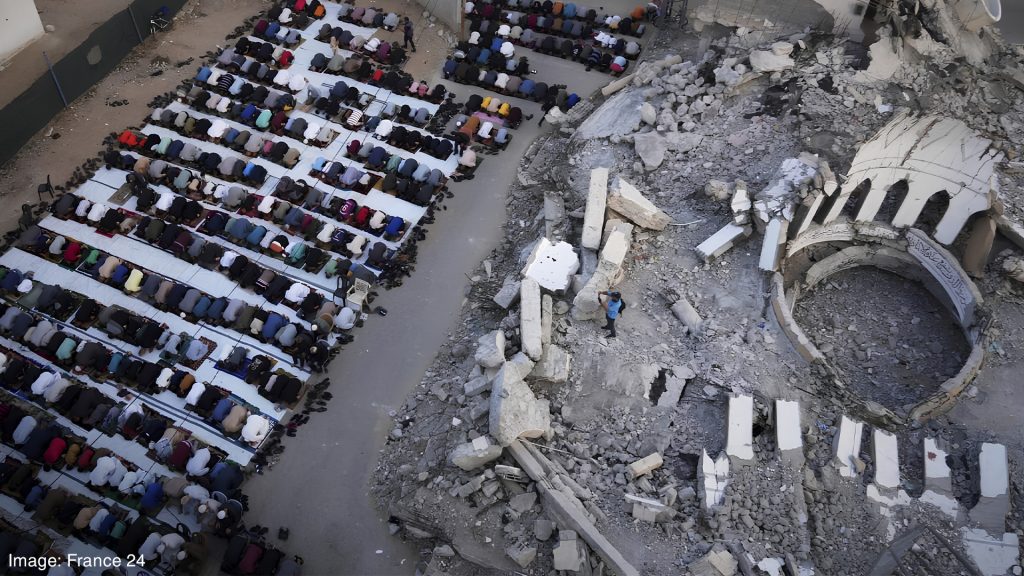
The latest escalation began overnight near the Strait of Hormuz, where US forces carried out strikes near Bandar Abbas after intercepting Iranian drones that Washington said threatened both American forces and commercial shipping routes. Hours later, Iran’s IRGC announced it had retaliated by targeting a US airbase linked to the operation.
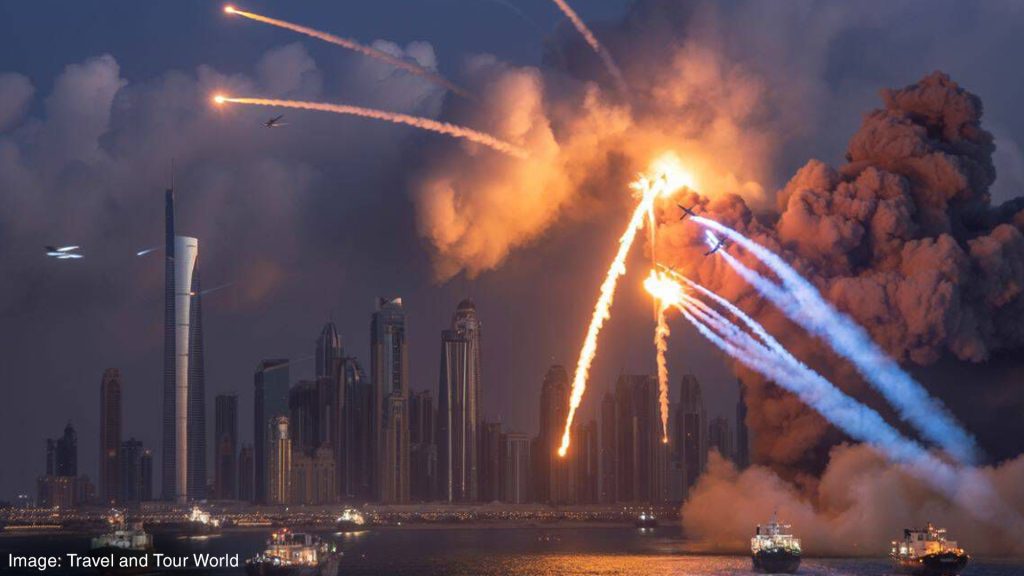
Soon after, Kuwait activated air defenses as missiles and drones crossed Gulf skies. Regional governments urged calm, but the psychological impact was immediate. Gulf states that spent years branding themselves as insulated business and tourism hubs are now confronting the reality that regional war can reach them too.

The timing made the situation even more volatile because it happened while negotiations were supposedly moving forward.

Trump said this week that a deal with Iran was “largely negotiated.” Iranian officials simultaneously called that announcement “incomplete and inconsistent with reality.” At the center of the dispute remains Iran’s nuclear program and enriched uranium stockpile, which Tehran confirmed was never part of any preliminary agreement. Washington continues demanding verifiable nuclear restrictions while maintaining military pressure.

That contradiction has become the defining pattern of this phase of the war: negotiations happening at the exact same time as airstrikes.
Lebanon Burns

Lebanon’s ceasefire is now collapsing in real time.

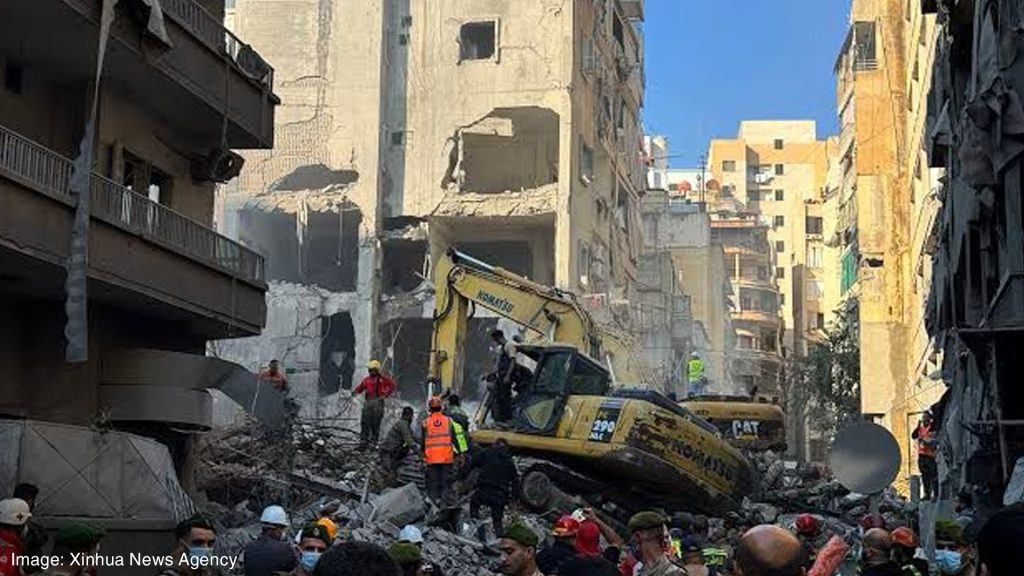
This week, Isr*el declared large parts of southern Lebanon a combat zone and intensified operations across Tyre, Nabatieh and surrounding areas. More than 120 strikes were reported during one of the heaviest bombardment periods in weeks. At least 31 people were killed, including children. Families fled entire towns overnight.

Hezbollah responded with escalating drone warfare and attacks on Israeli military systems. Analysts warn Lebanon may become the most dangerous front in the entire regional crisis because a full collapse there could destroy any remaining diplomatic balance between Washington and Tehran.

Iran has been explicit about the link. Its foreign minister stated this week that the US must choose between ceasefire and continued war via Isr*el. It cannot have both.

906 Killed Since the Gaza Ceasefire Began

And underneath all of it remains Gaza.

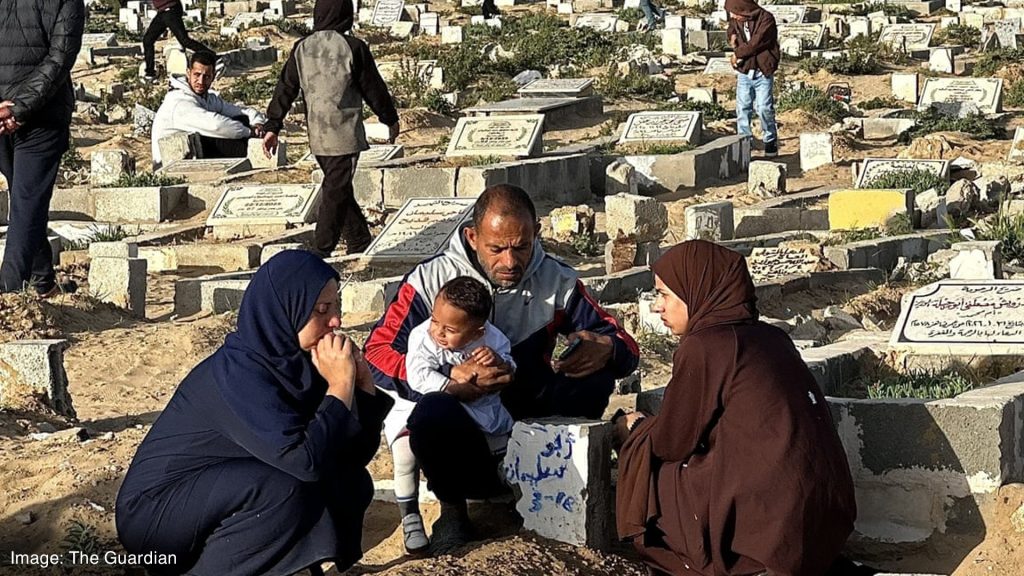
Since the ceasefire took effect in October 2025, at least 906 Palestinians have been killed. The cumulative death toll since October 7, 2023 now stands at 72,803.

Even during Eid Al-Adha, strikes continued. Israeli operations killed multiple Palestinians this week, including Mohammed Odeh, the newly appointed Hamas military commander, less than two weeks after taking the role. His wife and two children were killed alongside him in a strike on a residential building in Gaza City.

That same night, Isr*el’s official account posted a message wishing Muslims a happy Eid Al-Adha. The post spread globally for a reason that required no explanation.

The Photograph

But the most haunting image came from a Palestinian man named Walaa Baroud.

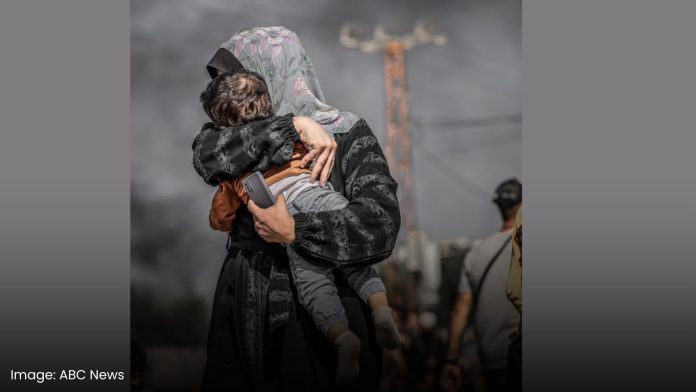
On Eid morning, he held an old family photograph. Twenty-two relatives appeared in the picture. Thirteen are now dead. More than 80 members of his extended family have been killed during the war.

That image now captures the deeper truth about the region better than any diplomatic statement or military briefing.

The wars did not end. They changed form.

The Middle East now exists in a strange space between ceasefire and active war, where diplomacy, missile interceptions, normalization talks, assassinations and mass funerals all happen simultaneously. And as oil markets remain unstable, Gulf states grow increasingly nervous, and ceasefires continue collapsing one front at a time, the fear across the region is becoming harder to ignore.

The next escalation may not stay contained to one battlefield.

By Shizza Farooqui

Sources

Reuters, AP, BBC, Al Jazeera, The New York Times, Axios, Arab News, Gulf News, NBC News, CNN, RFE/RL, Middle East Eye, Arab Times Kuwait, AFP, The Washington Post, US News

By Shizza Farooqui

The Middle East officially has three separate ceasefires in place.

One between the United States and Iran.

One between Isr*el and Lebanon.

One in Gaza.

All three are still active war zones.

That contradiction now defines the region more than any peace agreement signed over the last several months.

The Deal Nobody Can Confirm

The latest escalation began overnight near the Strait of Hormuz, where US forces carried out strikes near Bandar Abbas after intercepting Iranian drones that Washington said threatened both American forces and commercial shipping routes. Hours later, Iran’s IRGC announced it had retaliated by targeting a US airbase linked to the operation.

Soon after, Kuwait activated air defenses as missiles and drones crossed Gulf skies. Regional governments urged calm, but the psychological impact was immediate. Gulf states that spent years branding themselves as insulated business and tourism hubs are now confronting the reality that regional war can reach them too.

The timing made the situation even more volatile because it happened while negotiations were supposedly moving forward.

Trump said this week that a deal with Iran was “largely negotiated.” Iranian officials simultaneously called that announcement “incomplete and inconsistent with reality.” At the center of the dispute remains Iran’s nuclear program and enriched uranium stockpile, which Tehran confirmed was never part of any preliminary agreement. Washington continues demanding verifiable nuclear restrictions while maintaining military pressure.

That contradiction has become the defining pattern of this phase of the war: negotiations happening at the exact same time as airstrikes.

Lebanon Burns

Lebanon’s ceasefire is now collapsing in real time.

This week, Isr*el declared large parts of southern Lebanon a combat zone and intensified operations across Tyre, Nabatieh and surrounding areas. More than 120 strikes were reported during one of the heaviest bombardment periods in weeks. At least 31 people were killed, including children. Families fled entire towns overnight.

Hezbollah responded with escalating drone warfare and attacks on Israeli military systems. Analysts warn Lebanon may become the most dangerous front in the entire regional crisis because a full collapse there could destroy any remaining diplomatic balance between Washington and Tehran.

Iran has been explicit about the link. Its foreign minister stated this week that the US must choose between ceasefire and continued war via Isr*el. It cannot have both.

906 Killed Since the Gaza Ceasefire Began
And underneath all of it remains Gaza.

Since the ceasefire took effect in October 2025, at least 906 Palestinians have been killed. The cumulative death toll since October 7, 2023 now stands at 72,803.

Even during Eid Al-Adha, strikes continued. Israeli operations killed multiple Palestinians this week, including Mohammed Odeh, the newly appointed Hamas military commander, less than two weeks after taking the role. His wife and two children were killed alongside him in a strike on a residential building in Gaza City.

That same night, Isr*el’s official account posted a message wishing Muslims a happy Eid Al-Adha. The post spread globally for a reason that required no explanation.

The Photograph

But the most haunting image came from a Palestinian man named Walaa Baroud.

On Eid morning, he held an old family photograph. Twenty-two relatives appeared in the picture. Thirteen are now dead. More than 80 members of his extended family have been killed during the war.

That image now captures the deeper truth about the region better than any diplomatic statement or military briefing.

The wars did not end. They changed form.
The Middle East now exists in a strange space between ceasefire and active war, where diplomacy, missile interceptions, normalization talks, assassinations and mass funerals all happen simultaneously. And as oil markets remain unstable, Gulf states grow increasingly nervous, and ceasefires continue collapsing one front at a time, the fear across the region is becoming harder to ignore.

The next escalation may not stay contained to one battlefield.

By Shizza Farooqui

Sources

Reuters, AP, BBC, Al Jazeera, The New York Times, Axios, Arab News, Gulf News, NBC News, CNN, RFE/RL, Middle East Eye, Arab Times Kuwait, AFP, The Washington Post, US News

spot_img

Explore more

spot_img
Global Affairs

Trump Cut Off Cuba’s Oil. Now Its People Are Preparing For...

A French Company Paid Terrorists To Keep A Factory Running. Now...

They Were Burned Alive In Their Sleep. Police Say Their Classmates...

Musk Amplified The Rage. AI Made The Hitlist. Belfast Burned.

From Settlement Sales To Celebrity Ads: The Business Of Selling Israeli...

Bodies Of Evidence: The Explosive Al Jazeera Film Exposing Horrors Inside...

Isr*el Is Burning Lebanon From The Sky