
What’s Happening
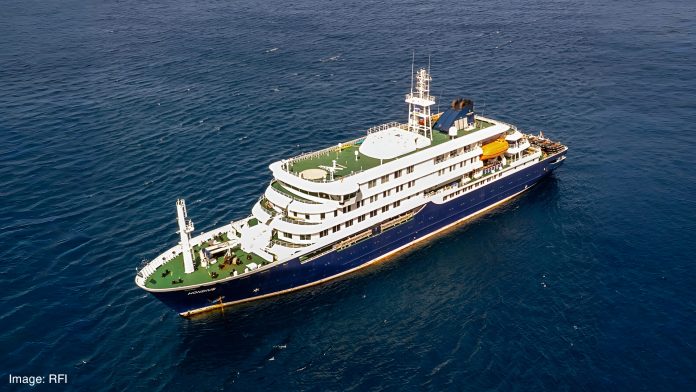
A cruise ship crossing the Atlantic has turned into a controlled health emergency after three passengers died during the voyage and a suspected hantavirus outbreak triggered an international response.
At least one case has been confirmed, while other passengers are being monitored for symptoms. Reports indicate that symptoms began appearing during the journey, with conditions worsening over time before the ship could reach a port with full medical support.
The World Health Organization is now investigating how a virus typically linked to environmental exposure appeared in a managed cruise setting.
Passengers onboard were not just traveling anymore. They were contained inside a moving system.
Cruise ships typically carry hundreds to several thousand passengers and crew, all sharing enclosed spaces, ventilation systems, dining areas, and facilities. Once something enters that environment, it does not stay isolated.
Why It Matters
Hantavirus is not a typical cruise ship outbreak.
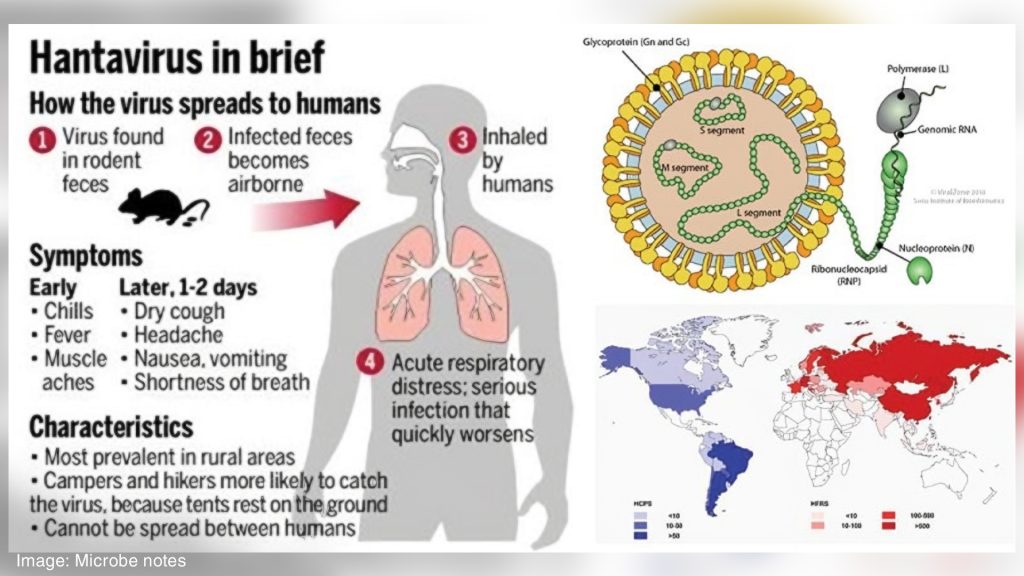
It is usually linked to exposure to infected rodent droppings or contaminated environments, not the kind of rapid human-to-human spread seen in viruses like flu or COVID-19. That makes its appearance onboard more concerning from a control and sanitation perspective.
The illness often starts with fever, fatigue, and muscle pain. But in severe cases, it can escalate quickly into respiratory failure. Some strains are associated with fatality rates ranging from 30 to 40 percent in advanced cases.
Three deaths within a single voyage suggests either significant exposure, delayed detection, or both. And at sea, time works against you. Medical facilities onboard are limited. Evacuation is not immediate. And containment becomes the only viable response.
Bigger Picture
This is not new. It is a recurring structural weakness.
Cruise ships operate as closed-loop environments. When something enters that loop, it spreads under the surface before becoming visible. COVID-19 exposed this at a global level. Norovirus incidents have repeated it for decades.
Different outbreak. Same system.
The issue is not just the virus. It is the environment that allows small failures to scale quickly. A place where hundreds or thousands of people are moving, interacting, and sharing space, with no easy exit.
What Next
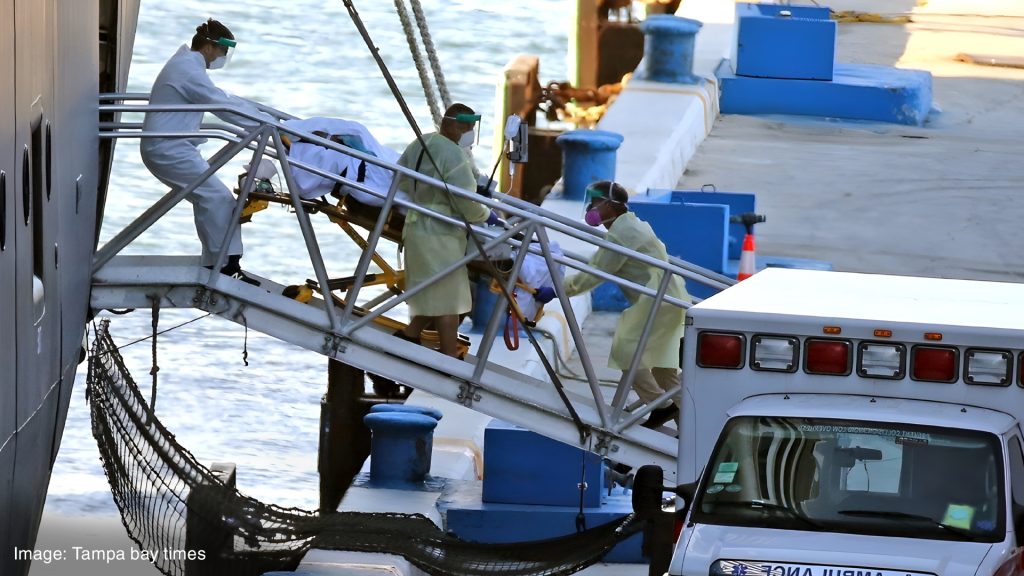
Health authorities will now focus on tracing the source of exposure, identifying additional cases, and monitoring passengers after disembarkation.
The cruise operator is likely to face scrutiny over onboard sanitation, inspection protocols, and response timelines. Beyond this incident, the impact is wider. Travel behavior reacts to stories like this. So do regulators.
Expect stricter health checks, tighter onboard monitoring, and more pressure on cruise operators to prove their systems can handle more than routine outbreaks.
Because once again, the same lesson is being reinforced. A controlled environment only feels safe until something slips through.
Sources: Reuters, Al Jazeera, World Health Organization, CDC