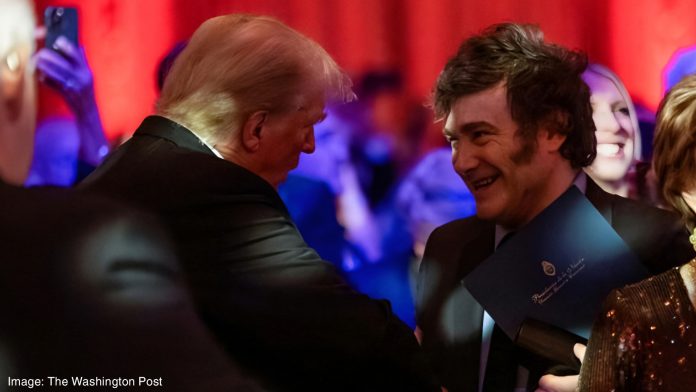
Trump Pardoned A Drug Lord. The $500,000 Hondurasgate Scandal Explained.

A Pardon, A Plot And $500,000

In December 2025, Donald Trump pardoned Juan Orlando Hernandez, a former Honduran president who had just been sentenced by a US federal court to 45 years in prison for trafficking cocaine into the United States. Trump called the conviction politically motivated. The story largely disappeared from US headlines within days.

Then the recordings surfaced.

The Hondurasgate investigative platform, working alongside Diario Red America Latina, published 37 leaked audio recordings spanning January to April 2026. The recordings, drawn from WhatsApp, Signal and Telegram conversations, allege a coordinated $500,000 cross-border operation involving Hernandez, current Honduran President Nasry Asfura, Argentine President Javier Milei and networks connected to the Trump administration. The alleged goal was to build a US-based fake news operation targeting the progressive governments of Mexico, Colombia and Brazil.

The story is now one of the most closely watched political scandals in Latin America. In the United States, it has received almost no mainstream coverage.

What The Recordings Allegedly Say

The most cited recording, dated January 30, 2026, features a voice attributed to Hernandez instructing Asfura to transfer $150,000 to an account to fund a digital journalism unit operating out of the United States. In the same recording, Hernandez claims Milei separately pledged $350,000 to the operation. Total alleged funding: over $500,000.

The operation was reportedly designed to produce and distribute disinformation targeting Mexican President Claudia Sheinbaum, Colombian President Gustavo Petro and political opponents inside Honduras, with a news site built specifically to avoid detection by operating on US soil.

Longtime Trump advisor Roger Stone is also named in the investigation. According to Diario Red, Stone allegedly helped organize meetings that led to Hernandez’s pardon and was connected to the broader influence operation being discussed in the recordings.

One recording goes further still. A voice attributed to Hernandez claims the funding for his Trump pardon came not from Honduran government sources but from Israeli-linked donors, a council of rabbis and networks connected to Israeli Prime Minister Benjamin Netanyahu.
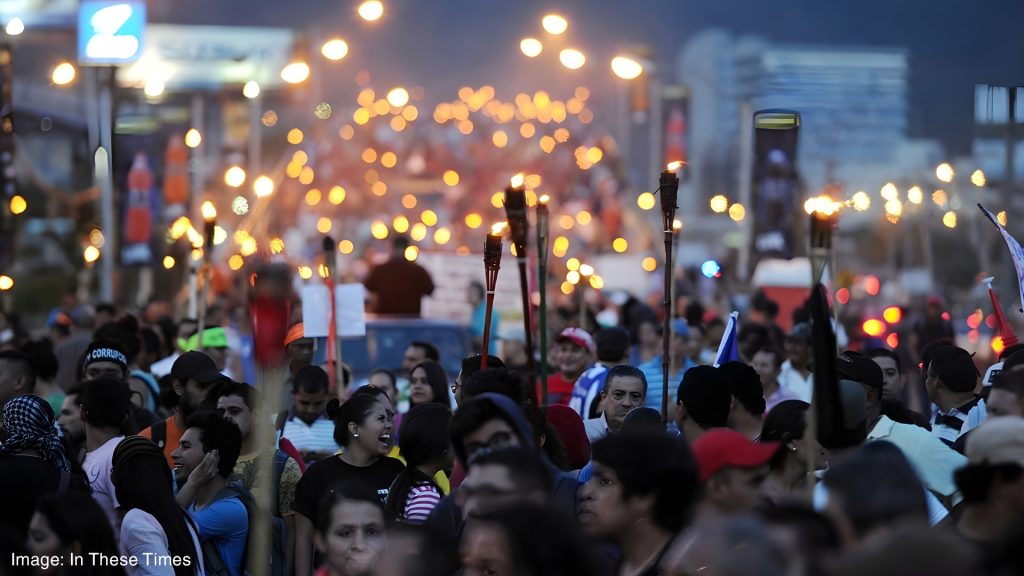
The Forensic Question

The accused are fighting back. Hernandez and Honduran parliamentary speaker Thomas Zambrano have both publicly dismissed the recordings as AI-generated deepfakes.

That counterargument is not without context. In 2026, convincing voice cloning can be produced in minutes using publicly available tools, and the question of what constitutes verified audio evidence in the AI era is genuinely unsettled.

Hondurasgate says it anticipated this challenge. The platform used a nine-step forensic authentication protocol developed by Czech firm Phonexia Voice Inspector, involving SHA-256 hashing, waveform analysis and over 25 acoustic indicators. The result: a 6 percent probability of AI voice synthesis. Anything below 10 percent is classified as a firm human voice by the engine.

Independent judicial verification has not yet taken place. That matters and readers should know it.

The Darker Allegations

Beyond the media influence operation, the recordings allegedly contain something more serious. Audio discussed plans to physically eliminate political opponents inside Honduras, including electoral councilor Marlon Ochoa, who had been investigating irregularities in Honduras’s recent elections.

That allegation takes Hondurasgate from a disinformation story into something considerably darker.

The recordings also allege that the broader arrangement included plans for a new US military base in Honduras, expansion of special economic zones where Honduran labor and environmental laws would not apply, and favorable legislation for US and Israeli artificial intelligence companies operating in the country. Two of the biggest investors in those special economic zones were Peter Thiel and Marc Andreessen, both major financial backers of the Trump presidency.

The Silence That Became Part Of The Story

Mexican President Claudia Sheinbaum said she listened to the recordings and described what she heard as an international right-wing network targeting progressive governments. Colombian President Gustavo Petro said the campaign was funded by Israel and drug trafficking proceeds. Argentine opposition deputy Nicolas Trotta filed a formal resolution in the Argentine legislature demanding explanations from the Milei government. Milei’s administration had not formally responded as of May 6.

In the United States, the story has been covered by Democracy Now and a handful of independent outlets. The major wire services and mainstream American broadcasters have largely ignored it.

That silence has itself become part of the Hondurasgate narrative. Whether it reflects editorial caution about unverified allegations or something more selective is a question Latin American observers are asking loudly.
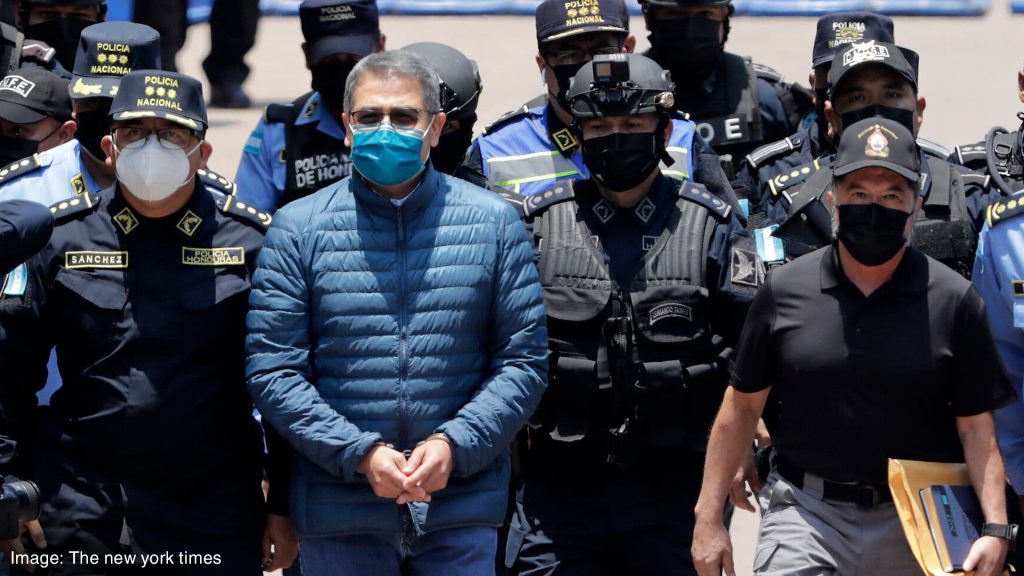
The scandal is still developing, with additional audio installments expected through May. But the core question it raises is already clear: if a US president pardoned a convicted drug trafficker as part of a transnational political arrangement worth half a million dollars, who exactly was the deal made with?

Nobody in Washington has answered that yet.

Sources: EL PAIS, Diario Red America Latina, Democracy Now, Hondurasgate investigative archive, Peoples Dispatch, Al Jazeera

#Verum #Hondurasgate #Trump #JavierMilei #LatinAmerica #FakeNews #Disinformation #WorldNews #Politics #BreakingNews
A Pardon, A Plot And $500,000

In December 2025, Donald Trump pardoned Juan Orlando Hernandez, a former Honduran president who had just been sentenced by a US federal court to 45 years in prison for trafficking cocaine into the United States. Trump called the conviction politically motivated. The story largely disappeared from US headlines within days.

Then the recordings surfaced.

The Hondurasgate investigative platform, working alongside Diario Red America Latina, published 37 leaked audio recordings spanning January to April 2026. The recordings, drawn from WhatsApp, Signal and Telegram conversations, allege a coordinated $500,000 cross-border operation involving Hernandez, current Honduran President Nasry Asfura, Argentine President Javier Milei and networks connected to the Trump administration. The alleged goal was to build a US-based fake news operation targeting the progressive governments of Mexico, Colombia and Brazil.

The story is now one of the most closely watched political scandals in Latin America. In the United States, it has received almost no mainstream coverage.

What The Recordings Allegedly Say

The most cited recording, dated January 30, 2026, features a voice attributed to Hernandez instructing Asfura to transfer $150,000 to an account to fund a digital journalism unit operating out of the United States. In the same recording, Hernandez claims Milei separately pledged $350,000 to the operation. Total alleged funding: over $500,000.

The operation was reportedly designed to produce and distribute disinformation targeting Mexican President Claudia Sheinbaum, Colombian President Gustavo Petro and political opponents inside Honduras, with a news site built specifically to avoid detection by operating on US soil.

Longtime Trump advisor Roger Stone is also named in the investigation. According to Diario Red, Stone allegedly helped organize meetings that led to Hernandez’s pardon and was connected to the broader influence operation being discussed in the recordings.

One recording goes further still. A voice attributed to Hernandez claims the funding for his Trump pardon came not from Honduran government sources but from Israeli-linked donors, a council of rabbis and networks connected to Israeli Prime Minister Benjamin Netanyahu.

The Forensic Question

The accused are fighting back. Hernandez and Honduran parliamentary speaker Thomas Zambrano have both publicly dismissed the recordings as AI-generated deepfakes.

That counterargument is not without context. In 2026, convincing voice cloning can be produced in minutes using publicly available tools, and the question of what constitutes verified audio evidence in the AI era is genuinely unsettled.

Hondurasgate says it anticipated this challenge. The platform used a nine-step forensic authentication protocol developed by Czech firm Phonexia Voice Inspector, involving SHA-256 hashing, waveform analysis and over 25 acoustic indicators. The result: a 6 percent probability of AI voice synthesis. Anything below 10 percent is classified as a firm human voice by the engine.

Independent judicial verification has not yet taken place. That matters and readers should know it.

The Darker Allegations

Beyond the media influence operation, the recordings allegedly contain something more serious. Audio discussed plans to physically eliminate political opponents inside Honduras, including electoral councilor Marlon Ochoa, who had been investigating irregularities in Honduras’s recent elections.

That allegation takes Hondurasgate from a disinformation story into something considerably darker.

The recordings also allege that the broader arrangement included plans for a new US military base in Honduras, expansion of special economic zones where Honduran labor and environmental laws would not apply, and favorable legislation for US and Israeli artificial intelligence companies operating in the country. Two of the biggest investors in those special economic zones were Peter Thiel and Marc Andreessen, both major financial backers of the Trump presidency.

The Silence That Became Part Of The Story

Mexican President Claudia Sheinbaum said she listened to the recordings and described what she heard as an international right-wing network targeting progressive governments. Colombian President Gustavo Petro said the campaign was funded by Israel and drug trafficking proceeds. Argentine opposition deputy Nicolas Trotta filed a formal resolution in the Argentine legislature demanding explanations from the Milei government. Milei’s administration had not formally responded as of May 6.

In the United States, the story has been covered by Democracy Now and a handful of independent outlets. The major wire services and mainstream American broadcasters have largely ignored it.

That silence has itself become part of the Hondurasgate narrative. Whether it reflects editorial caution about unverified allegations or something more selective is a question Latin American observers are asking loudly.

The scandal is still developing, with additional audio installments expected through May. But the core question it raises is already clear: if a US president pardoned a convicted drug trafficker as part of a transnational political arrangement worth half a million dollars, who exactly was the deal made with?

Nobody in Washington has answered that yet.

Sources: EL PAIS, Diario Red America Latina, Democracy Now, Hondurasgate investigative archive, Peoples Dispatch, Al Jazeera

#Verum #Hondurasgate #Trump #JavierMilei #LatinAmerica #FakeNews #Disinformation #WorldNews #Politics #BreakingNews
spot_img

Explore more

spot_img
Global Affairs

Trump Cut Off Cuba’s Oil. Now Its People Are Preparing For...

A French Company Paid Terrorists To Keep A Factory Running. Now...

They Were Burned Alive In Their Sleep. Police Say Their Classmates...

Musk Amplified The Rage. AI Made The Hitlist. Belfast Burned.

From Settlement Sales To Celebrity Ads: The Business Of Selling Israeli...

Bodies Of Evidence: The Explosive Al Jazeera Film Exposing Horrors Inside...

Isr*el Is Burning Lebanon From The Sky