Trump Rejected Iran’s New Proposal As The Worst Oil Crisis In Modern History Deepens

The World’s Oil System Is Cracking

The International Energy Agency just put a number on what’s coming. If the Strait of Hormuz is disrupted, the world faces the largest oil supply crisis in recorded history. That warning is no longer theoretical. It is the operating reality shaping how governments, central banks and energy markets are reading this conflict right now.

The trigger was familiar. US President Donald Trump took to Truth Social to describe Iran’s latest proposal as “TOTALLY UNACCEPTABLE.” Within hours, energy markets reacted. Brent crude moved. Shipping insurers adjusted their risk calculations. Traders refocused their attention on the narrow waterway connecting the Gulf to the rest of the world.

This is no longer simply a diplomatic story. It is an energy story, an economic story and potentially one of the most serious supply disruptions the modern world has ever had to absorb.
Why The Strait Of Hormuz Terrifies Global Markets

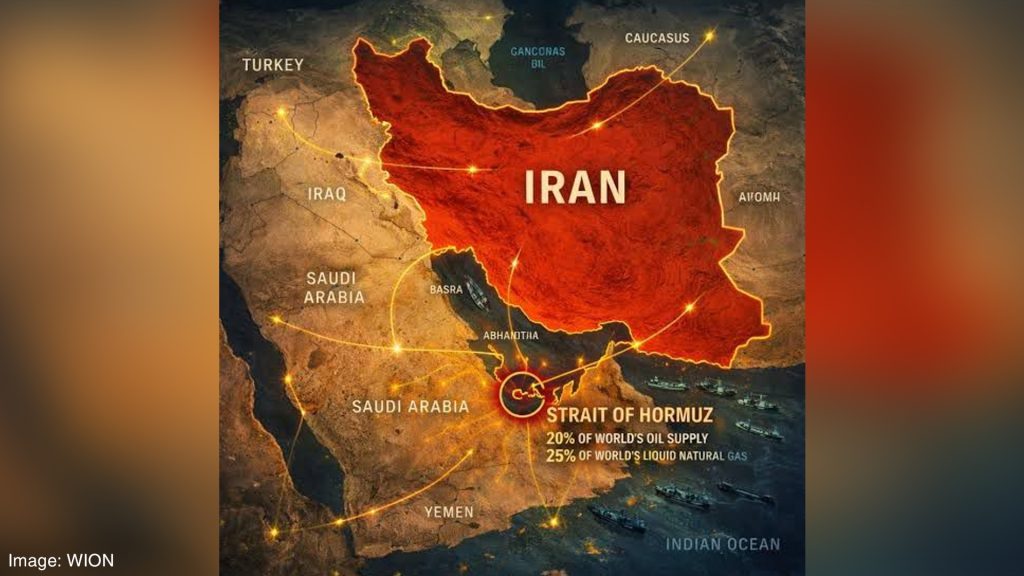
Nearly 20 percent of the world’s oil supply passes through a corridor so narrow that a single naval incident can send prices surging across five continents. The Strait of Hormuz is not just a chokepoint. It is the pressure valve for the entire global energy system.

Even limited instability there ripples immediately into oil prices, shipping costs, airline fuel, inflation, manufacturing, food transportation and consumer prices worldwide. Energy analysts warn that the psychological fear alone is sufficient to destabilize markets, even without a full closure of the waterway. That is because the global economy still has no credible alternative to uninterrupted Gulf exports.

Countries across Asia, including China, India, Japan and South Korea, remain especially exposed. European economies are watching closely as fuel costs and shipping risks climb. For these governments, the concern is no longer whether fighting continues. It is whether their economies can absorb another prolonged energy shock while inflation and living costs remain stubbornly high.

A Crisis Spreading Far Beyond The Battlefield

Inside Iran, civilians are already living through the economic consequences. Inflation is rising, food prices are climbing and currency instability is deepening as sanctions pressure and maritime uncertainty compound each other. Reports of shortages and hardship are increasing.

Beyond Iran’s borders, shipping companies and insurers operating near the Gulf are repricing risk in real time. Airlines and cargo operators are monitoring fuel costs with increasing anxiety. Central banks in major economies are running quiet calculations on what a sustained oil price spike would do to their inflation targets and rate-cut timelines.

That means consumers in cities with no connection to the Middle East could still feel this through higher fuel prices, more expensive groceries, rising airline tickets and increased costs across everyday goods. Oil shocks do not respect geography. They follow supply chains.
The Ceasefire That No Longer Feels Real

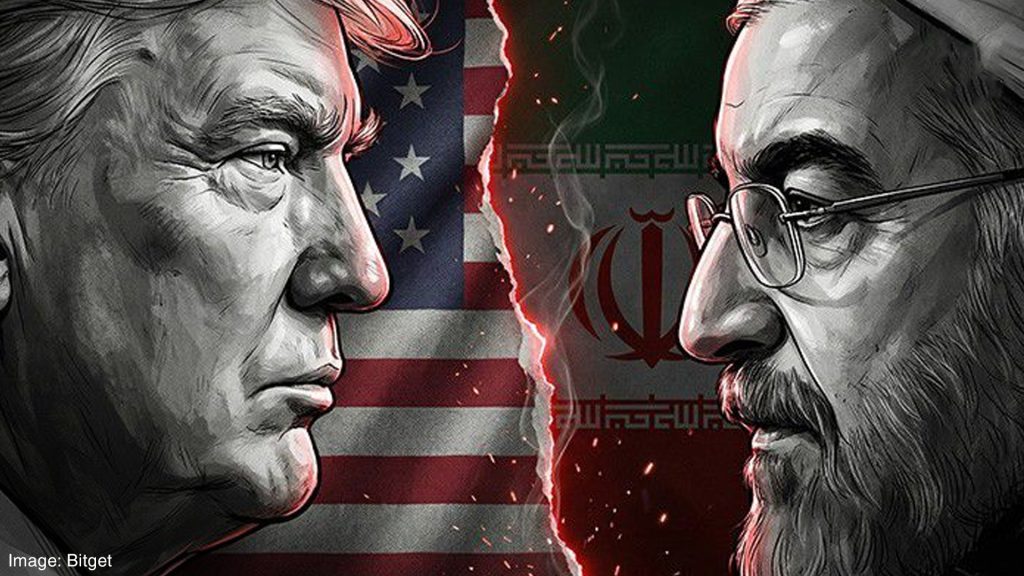
Officially, a fragile ceasefire still holds. But repeated military incidents, naval confrontations and regional strikes are making that designation harder to defend with a straight face. Diplomatically, leaders continue speaking about negotiations. Economically and militarily, the pressure keeps building in the opposite direction.

Trump’s rejection of Iran’s proposal may ultimately be remembered not as a failed diplomatic moment but as the turning point when a regional conflict became a global economic emergency.

The last time the world faced a crisis this size, it took a decade to recover. Nobody’s saying that out loud yet. They probably should.

Sources: Reuters, Al Jazeera, NPR, International Energy Agency (IEA), World Economic Forum, Khaleej Times

#Verum #Iran #Trump #OilCrisis #StraitOfHormuz #MiddleEast #GlobalEconomy #OilPrices #WorldNews #BreakingNews

The World’s Oil System Is Cracking

The International Energy Agency just put a number on what’s coming. If the Strait of Hormuz is disrupted, the world faces the largest oil supply crisis in recorded history. That warning is no longer theoretical. It is the operating reality shaping how governments, central banks and energy markets are reading this conflict right now.

The trigger was familiar. US President Donald Trump took to Truth Social to describe Iran’s latest proposal as “TOTALLY UNACCEPTABLE.” Within hours, energy markets reacted. Brent crude moved. Shipping insurers adjusted their risk calculations. Traders refocused their attention on the narrow waterway connecting the Gulf to the rest of the world.

This is no longer simply a diplomatic story. It is an energy story, an economic story and potentially one of the most serious supply disruptions the modern world has ever had to absorb.

Why The Strait Of Hormuz Terrifies Global Markets

Nearly 20 percent of the world’s oil supply passes through a corridor so narrow that a single naval incident can send prices surging across five continents. The Strait of Hormuz is not just a chokepoint. It is the pressure valve for the entire global energy system.

Even limited instability there ripples immediately into oil prices, shipping costs, airline fuel, inflation, manufacturing, food transportation and consumer prices worldwide. Energy analysts warn that the psychological fear alone is sufficient to destabilize markets, even without a full closure of the waterway. That is because the global economy still has no credible alternative to uninterrupted Gulf exports.

Countries across Asia, including China, India, Japan and South Korea, remain especially exposed. European economies are watching closely as fuel costs and shipping risks climb. For these governments, the concern is no longer whether fighting continues. It is whether their economies can absorb another prolonged energy shock while inflation and living costs remain stubbornly high.

A Crisis Spreading Far Beyond The Battlefield

Inside Iran, civilians are already living through the economic consequences. Inflation is rising, food prices are climbing and currency instability is deepening as sanctions pressure and maritime uncertainty compound each other. Reports of shortages and hardship are increasing.

Beyond Iran’s borders, shipping companies and insurers operating near the Gulf are repricing risk in real time. Airlines and cargo operators are monitoring fuel costs with increasing anxiety. Central banks in major economies are running quiet calculations on what a sustained oil price spike would do to their inflation targets and rate-cut timelines.

That means consumers in cities with no connection to the Middle East could still feel this through higher fuel prices, more expensive groceries, rising airline tickets and increased costs across everyday goods. Oil shocks do not respect geography. They follow supply chains.

The Ceasefire That No Longer Feels Real

Officially, a fragile ceasefire still holds. But repeated military incidents, naval confrontations and regional strikes are making that designation harder to defend with a straight face. Diplomatically, leaders continue speaking about negotiations. Economically and militarily, the pressure keeps building in the opposite direction.

Trump’s rejection of Iran’s proposal may ultimately be remembered not as a failed diplomatic moment but as the turning point when a regional conflict became a global economic emergency.

The last time the world faced a crisis this size, it took a decade to recover. Nobody’s saying that out loud yet. They probably should.

Sources: Reuters, Al Jazeera, NPR, International Energy Agency (IEA), World Economic Forum, Khaleej Times

#Verum #Iran #Trump #OilCrisis #StraitOfHormuz #MiddleEast #GlobalEconomy #OilPrices #WorldNews #BreakingNews

spot_img

Explore more

spot_img
Global Affairs

Trump Cut Off Cuba’s Oil. Now Its People Are Preparing For...

A French Company Paid Terrorists To Keep A Factory Running. Now...

They Were Burned Alive In Their Sleep. Police Say Their Classmates...

Musk Amplified The Rage. AI Made The Hitlist. Belfast Burned.

From Settlement Sales To Celebrity Ads: The Business Of Selling Israeli...

Bodies Of Evidence: The Explosive Al Jazeera Film Exposing Horrors Inside...

Isr*el Is Burning Lebanon From The Sky