Trump’s BLUFF Got Called In The Gulf.

Trump Pauses Hormuz Mission After Days Of Escalation

The Middle East is entering one of its most fragile moments in months, and almost every side involved is still insisting the situation is under control.

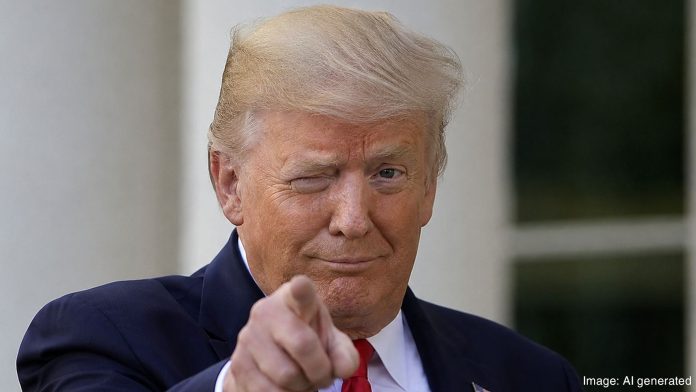
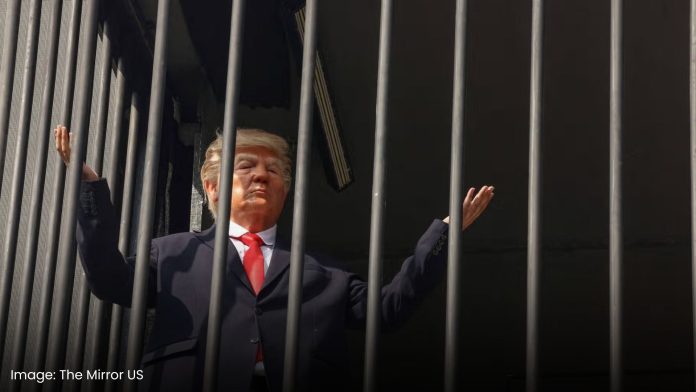
This week, President Donald Trump announced a temporary pause to the U.S. naval escort mission protecting commercial vessels in the Strait of Hormuz after days of military threats and escalating rhetoric toward Iran. The operation, known as Project Freedom, had become one of Washington’s biggest pressure tools in the Gulf after repeated warnings about Iranian activity near one of the world’s most important oil routes.

But instead of escalation, the White House suddenly shifted tone.

Trump said negotiations with Tehran were showing great progress, even as Iranian forces reportedly fired missiles near U.S. warships and Gulf tensions continued rising around the Strait. The abrupt pause triggered immediate reactions across the region, with Gulf allies quietly worried the move could embolden Iran or signal uncertainty inside Washington’s strategy.
The Gulf Keeps Burning Despite The Diplomatic Pause

And while the rhetoric softened in Hormuz, the region itself never really calmed down.

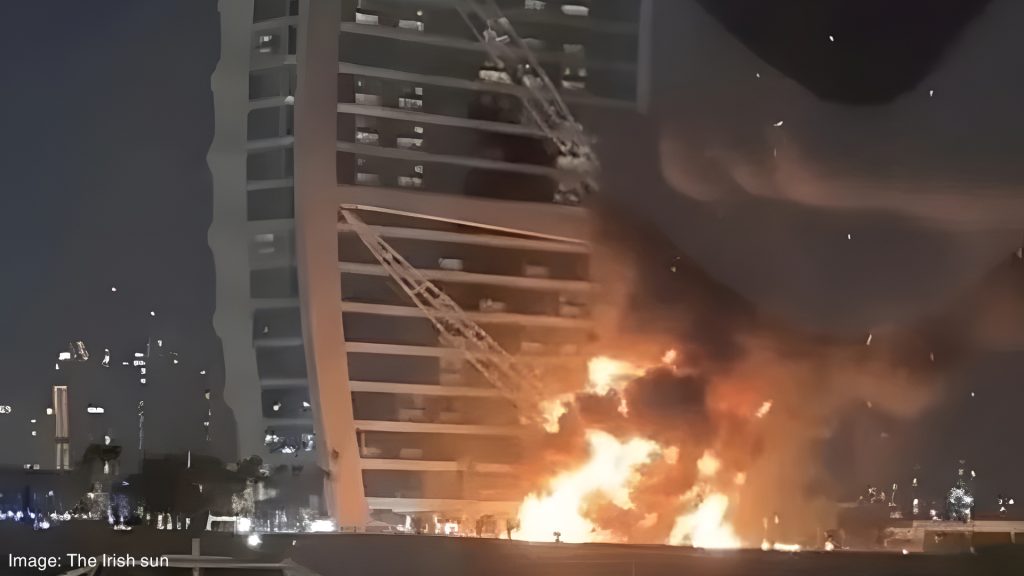
The UAE reported a second day of attacks tied to Iranian-linked groups, including explosions and fires connected to energy infrastructure near Fujairah, one of the Gulf’s most strategically important oil hubs. Iran denied involvement, but the denials did little to ease fears that the conflict is now expanding beyond Israel, Gaza and Iran into broader Gulf territory.

That matters globally because nearly a fifth of the world’s oil passes through the Strait of Hormuz. Every threat there immediately affects shipping markets, energy prices and inflation fears worldwide.

Gaza’s Ceasefire Keeps Producing More Destruction

Meanwhile, Gaza’s so-called ceasefire continues looking less like peace and more like managed devastation.

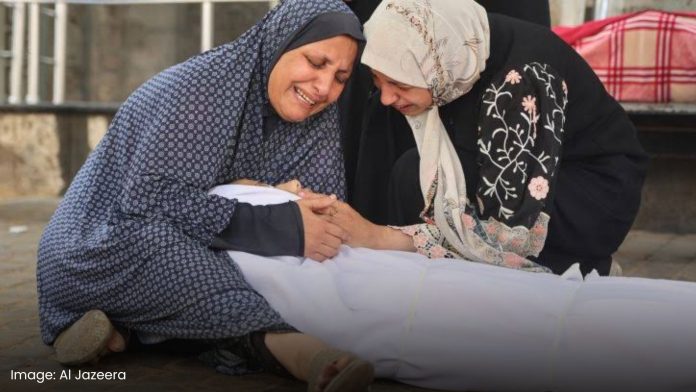
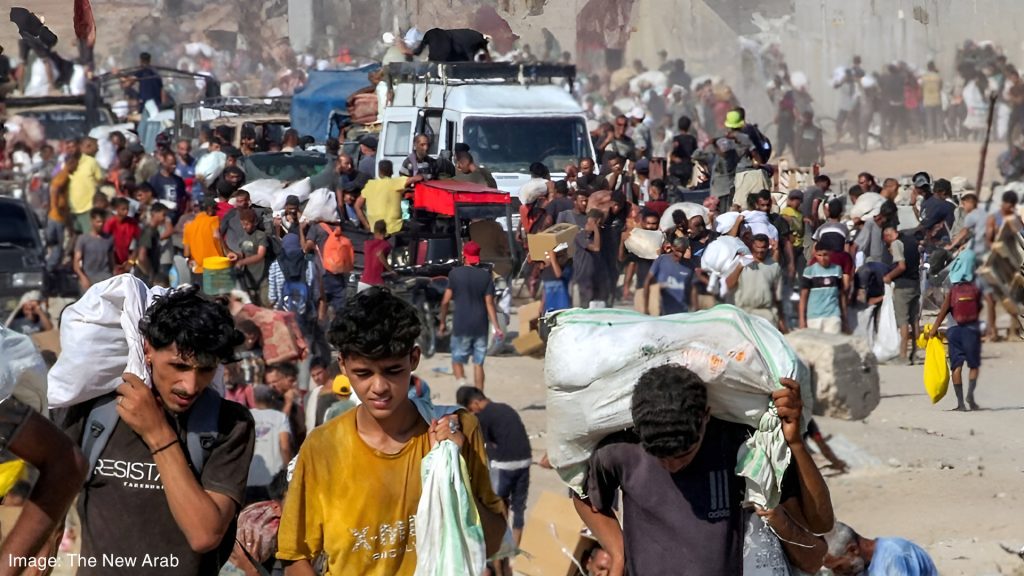
According to Palestinian health officials, the death toll in Gaza has now surpassed 72,600 people since the war began. Local authorities say hundreds more have been killed even after the October ceasefire framework was announced. Israeli strikes this week reportedly killed several Palestinians, including a child, while humanitarian groups continue warning that aid access remains critically unstable.

A new joint assessment by the EU, United Nations and World Bank estimates Gaza will require more than $71 billion for reconstruction over the next decade. The report also says the territory has effectively lost around 77 years of human development due to the scale of destruction.

Entire neighborhoods have disappeared. Hospitals remain damaged. Large sections of infrastructure no longer function normally. And despite repeated reconstruction conferences and diplomatic announcements, less than $1 billion of the proposed recovery funding has reportedly materialized so far.

At sea, Israel also extended the detention of Gaza flotilla activists attempting to challenge restrictions around the territory, keeping international attention focused on maritime aid access and the worsening humanitarian crisis.

Lebanon’s Ceasefire Is Starting To Crack Too

The instability is also spreading north.

In southern Lebanon, the already fragile ceasefire between Israel and Hezbollah is beginning to show deeper cracks. The United Nations said machine-gun fire struck a UNIFIL position, with one round hitting a UN vehicle inside a peacekeeping compound. Lebanese authorities also reported multiple deaths from fresh strikes across southern villages.

For many analysts, Lebanon increasingly looks like another front waiting to fully reopen.

Iran Executes Protesters As Pressure Mounts

Inside Iran itself, the government executed three prisoners linked to the country’s protest movement, drawing condemnation from human rights groups and Western governments. Iranian authorities defended the executions as national security cases, while critics argued they were meant to intimidate dissent during a period of growing external pressure and regional instability.

China Quietly Expands Its Role In The Crisis

At the same time, Iran’s Foreign Minister Abbas Araghchi traveled to Beijing for high-level talks with Chinese Foreign Minister Wang Yi. That meeting may end up being more important than it first appeared. As Washington pauses military operations and Europe struggles to influence events on the ground, China is steadily positioning itself as a quieter but increasingly influential player in Middle East diplomacy, especially around energy routes, sanctions and postwar regional negotiations.

This Is No Longer Just A Regional Crisis

The IMF has already warned that conflicts in the Middle East and Eastern Europe are damaging global growth and keeping inflation pressures alive worldwide.

Which means this is no longer just a regional story.
It is now an oil story, an economic story, a humanitarian story and a global power story all at the same time.

And right now, every ceasefire in the region feels temporary.

Sources: Reuters, AP, BBC, Al Jazeera, The Guardian, IMF, UN, World Bank, EU, Gulf News, Al-Monitor, Dawn

Hashtags: #Verum #MiddleEast #Trump #Iran #Gaza #Hormuz #Lebanon #UAE #WorldNews #Geopolitics
Trump Pauses Hormuz Mission After Days Of Escalation

The Middle East is entering one of its most fragile moments in months, and almost every side involved is still insisting the situation is under control.

This week, President Donald Trump announced a temporary pause to the U.S. naval escort mission protecting commercial vessels in the Strait of Hormuz after days of military threats and escalating rhetoric toward Iran. The operation, known as Project Freedom, had become one of Washington’s biggest pressure tools in the Gulf after repeated warnings about Iranian activity near one of the world’s most important oil routes.

But instead of escalation, the White House suddenly shifted tone.

Trump said negotiations with Tehran were showing great progress, even as Iranian forces reportedly fired missiles near U.S. warships and Gulf tensions continued rising around the Strait. The abrupt pause triggered immediate reactions across the region, with Gulf allies quietly worried the move could embolden Iran or signal uncertainty inside Washington’s strategy.

The Gulf Keeps Burning Despite The Diplomatic Pause

And while the rhetoric softened in Hormuz, the region itself never really calmed down.

The UAE reported a second day of attacks tied to Iranian-linked groups, including explosions and fires connected to energy infrastructure near Fujairah, one of the Gulf’s most strategically important oil hubs. Iran denied involvement, but the denials did little to ease fears that the conflict is now expanding beyond Israel, Gaza and Iran into broader Gulf territory.

That matters globally because nearly a fifth of the world’s oil passes through the Strait of Hormuz. Every threat there immediately affects shipping markets, energy prices and inflation fears worldwide.

Gaza’s Ceasefire Keeps Producing More Destruction

Meanwhile, Gaza’s so-called ceasefire continues looking less like peace and more like managed devastation.

According to Palestinian health officials, the death toll in Gaza has now surpassed 72,600 people since the war began. Local authorities say hundreds more have been killed even after the October ceasefire framework was announced. Israeli strikes this week reportedly killed several Palestinians, including a child, while humanitarian groups continue warning that aid access remains critically unstable.

A new joint assessment by the EU, United Nations and World Bank estimates Gaza will require more than $71 billion for reconstruction over the next decade. The report also says the territory has effectively lost around 77 years of human development due to the scale of destruction.

Entire neighborhoods have disappeared. Hospitals remain damaged. Large sections of infrastructure no longer function normally. And despite repeated reconstruction conferences and diplomatic announcements, less than $1 billion of the proposed recovery funding has reportedly materialized so far.

At sea, Israel also extended the detention of Gaza flotilla activists attempting to challenge restrictions around the territory, keeping international attention focused on maritime aid access and the worsening humanitarian crisis.

Lebanon’s Ceasefire Is Starting To Crack Too

The instability is also spreading north.

In southern Lebanon, the already fragile ceasefire between Israel and Hezbollah is beginning to show deeper cracks. The United Nations said machine-gun fire struck a UNIFIL position, with one round hitting a UN vehicle inside a peacekeeping compound. Lebanese authorities also reported multiple deaths from fresh strikes across southern villages.

For many analysts, Lebanon increasingly looks like another front waiting to fully reopen.

Iran Executes Protesters As Pressure Mounts

Inside Iran itself, the government executed three prisoners linked to the country’s protest movement, drawing condemnation from human rights groups and Western governments. Iranian authorities defended the executions as national security cases, while critics argued they were meant to intimidate dissent during a period of growing external pressure and regional instability.

China Quietly Expands Its Role In The Crisis

At the same time, Iran’s Foreign Minister Abbas Araghchi traveled to Beijing for high-level talks with Chinese Foreign Minister Wang Yi. That meeting may end up being more important than it first appeared. As Washington pauses military operations and Europe struggles to influence events on the ground, China is steadily positioning itself as a quieter but increasingly influential player in Middle East diplomacy, especially around energy routes, sanctions and postwar regional negotiations.

This Is No Longer Just A Regional Crisis

The IMF has already warned that conflicts in the Middle East and Eastern Europe are damaging global growth and keeping inflation pressures alive worldwide.

Which means this is no longer just a regional story.

It is now an oil story, an economic story, a humanitarian story and a global power story all at the same time.

And right now, every ceasefire in the region feels temporary.

Sources: Reuters, AP, BBC, Al Jazeera, The Guardian, IMF, UN, World Bank, EU, Gulf News, Al-Monitor, Dawn

Hashtags: #Verum #MiddleEast #Trump #Iran #Gaza #Hormuz #Lebanon #UAE #WorldNews #Geopolitics

spot_img

Explore more

spot_img
Global Affairs

Trump Cut Off Cuba’s Oil. Now Its People Are Preparing For...

A French Company Paid Terrorists To Keep A Factory Running. Now...

They Were Burned Alive In Their Sleep. Police Say Their Classmates...

Musk Amplified The Rage. AI Made The Hitlist. Belfast Burned.

From Settlement Sales To Celebrity Ads: The Business Of Selling Israeli...

Bodies Of Evidence: The Explosive Al Jazeera Film Exposing Horrors Inside...

Isr*el Is Burning Lebanon From The Sky