Trump’s Family Just Got A Deal Ordinary Americans Never Would

The Hidden Addendum That Changed The Story

The original Justice Department announcement sounded dramatic enough on its own.

On May 18, the DOJ revealed a sweeping settlement tied to Donald Trump’s lawsuit against the IRS over the leak of his tax returns. The agreement included the creation of a massive $1.776 billion compensation fund for Trump allies who claim they were unfairly targeted by the previous administration.

Then, one day later, the story became much bigger.

Quietly posted online in a separate addendum was a clause permanently blocking IRS audits of Trump, his family and affiliated businesses covering all tax returns filed before May 18, 2026.

There was no major press conference announcing it. No public explanation.

What made it more striking was the timing. Acting Attorney General Todd Blanche was sitting before a Senate committee that very morning, being questioned about the settlement. Senators asked him directly about the fund and its implications. He said nothing about the audit immunity clause. The senators questioning him did not know it existed while he was in the room. It was posted to the DOJ website while the hearing was still ongoing.

Critics immediately focused not just on the clause itself, but on how it arrived.

Trump’s Former Lawyer Signed The Protection Order

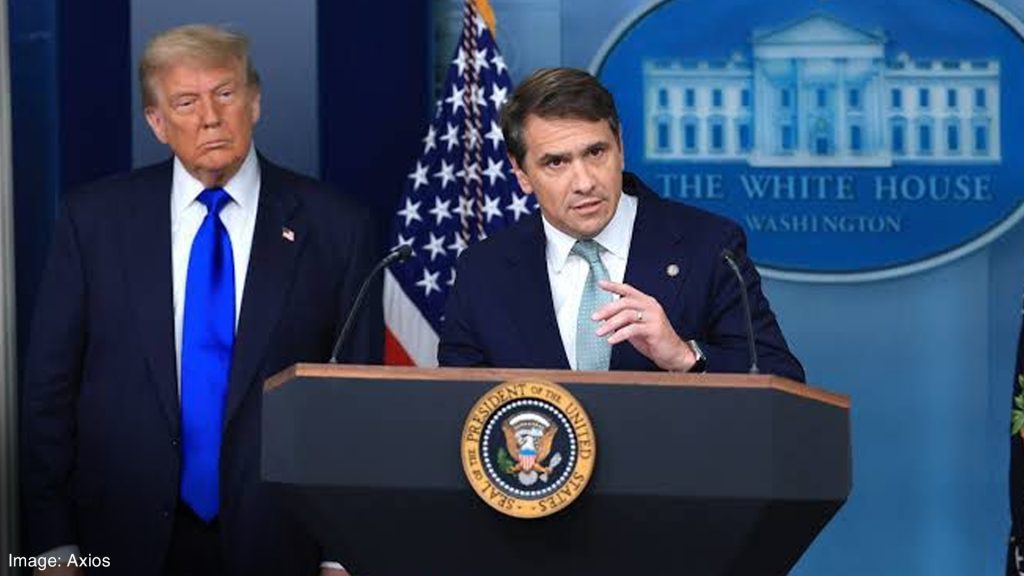
Todd Blanche, now serving as acting Attorney General, previously acted as Donald Trump’s personal criminal defense lawyer in multiple high-profile legal battles, including Trump’s New York criminal fraud trial and the federal classified documents case.

Now, as one of the country’s top law enforcement officials, Blanche signed the one-page document permanently shielding Trump, his family and his businesses from IRS scrutiny over all prior tax returns.

That conflict of interest instantly became central to the backlash.
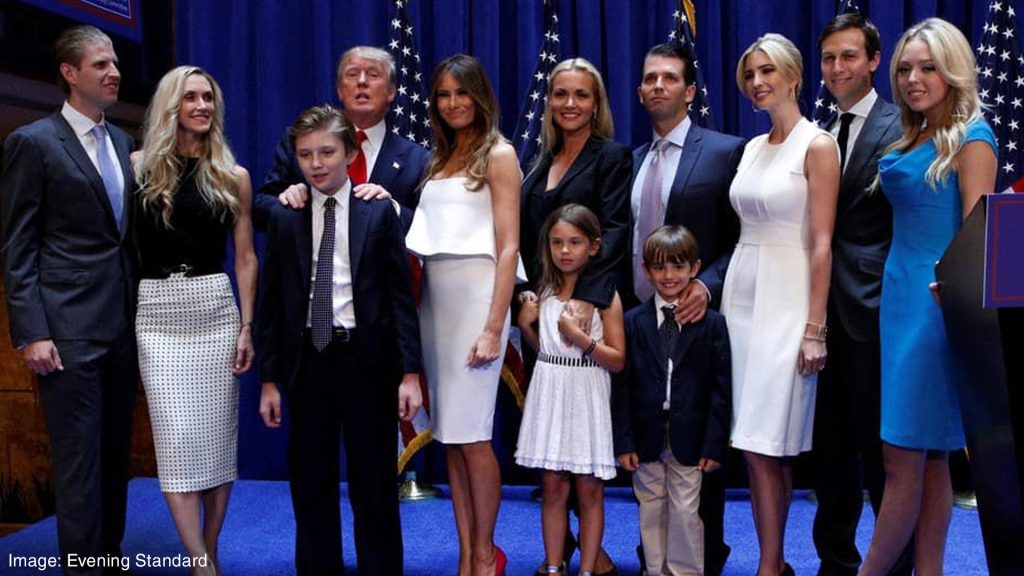
Senate Minority Leader Chuck Schumer put it plainly: “He sued the government he runs, had his own DOJ settle the case and pocketed the prize: special IRS protection for the Trump family. That is self-dealing with a government seal.”

Critics argue the situation creates the appearance that the Justice Department is protecting the president and his family through negotiated legal arrangements unavailable to ordinary Americans.

Supporters of Trump argue the former president was unfairly targeted politically for years and deserved relief from what they describe as weaponized investigations.

The divide reflects a broader collapse in institutional trust across American politics.

The $100 Million Question

The controversy intensified further because of what may have disappeared alongside the audits.

A long-running Trump tax audit previously reported by The New York Times was projected to result in more than $100 million in liabilities.

A single one-page DOJ addendum may have erased it entirely.

Legal experts remain divided over whether the Justice Department even has the authority to offer protections this broad.

Richard Painter, who served as chief White House ethics lawyer under President George W. Bush, called the arrangement potentially unconstitutional. The domestic emoluments clause of the US Constitution prohibits the president from receiving any financial benefit from the government beyond his official salary. Painter told Al Jazeera that if Trump or his family owe the IRS money, shielding that debt would violate the clause directly.

Other tax law experts described the agreement as a severe abuse of institutional power.

The Double Standard Argument

The emotional force behind the story comes from comparison.

Ordinary Americans can still face audits, penalties, wage garnishment, and years of costly legal disputes with the IRS over tax disagreements the government pursues relentlessly.

At the same time, investigative reporting has repeatedly shown lower-income Americans are audited at disproportionately high rates.

According to ProPublica, low-income households earning under $25,000 are audited at roughly five times the rate of other taxpayers.

Millionaires, meanwhile, became significantly less likely to be audited over the past decade.

That contrast is now fueling outrage online.

Critics argue the case reinforces the belief that powerful political and financial elites operate under a different accountability system than ordinary citizens.

The Settlement Is Bigger Than Taxes

The settlement also created a $1.776 billion government-backed compensation fund overseen by a commission connected to Trump’s Justice Department.

The fund may allow claims from pardoned January 6 defendants and political allies who argue they were unfairly targeted by the government.

MyPillow founder Mike Lindell has already publicly indicated he expects compensation. When senators asked Blanche directly during his Tuesday testimony whether violent offenders who beat Capitol Police on January 6 would be excluded from the fund, he refused to commit to an answer.

To critics, the entire sequence tells one story. Trump sued the government he currently leads. His Justice Department negotiated the settlement. His former personal lawyer signed the audit protections. And taxpayer money may now flow to his political allies.
The controversy is no longer just about taxes.

It is about whether America’s oversight institutions can remain independent when political power and legal power begin overlapping in public view.

The IRS that cannot touch Trump’s tax returns retains full authority to audit anyone reading this story. That gap is now written into a government document. And it is signed.

By Shizza Farooqui

Sources

Reuters, CNN, ABC News, Axios, Time, Al Jazeera, ProPublica, Daily Beast, Fox News, The New York Times, Department of Justice documents

The Hidden Addendum That Changed The Story

The original Justice Department announcement sounded dramatic enough on its own.

On May 18, the DOJ revealed a sweeping settlement tied to Donald Trump’s lawsuit against the IRS over the leak of his tax returns. The agreement included the creation of a massive $1.776 billion compensation fund for Trump allies who claim they were unfairly targeted by the previous administration.

Then, one day later, the story became much bigger.

Quietly posted online in a separate addendum was a clause permanently blocking IRS audits of Trump, his family and affiliated businesses covering all tax returns filed before May 18, 2026.

There was no major press conference announcing it. No public explanation.

What made it more striking was the timing. Acting Attorney General Todd Blanche was sitting before a Senate committee that very morning, being questioned about the settlement. Senators asked him directly about the fund and its implications. He said nothing about the audit immunity clause. The senators questioning him did not know it existed while he was in the room. It was posted to the DOJ website while the hearing was still ongoing.

Critics immediately focused not just on the clause itself, but on how it arrived.

Trump’s Former Lawyer Signed The Protection Order

Todd Blanche, now serving as acting Attorney General, previously acted as Donald Trump’s personal criminal defense lawyer in multiple high-profile legal battles, including Trump’s New York criminal fraud trial and the federal classified documents case.

Now, as one of the country’s top law enforcement officials, Blanche signed the one-page document permanently shielding Trump, his family and his businesses from IRS scrutiny over all prior tax returns.

That conflict of interest instantly became central to the backlash.

Senate Minority Leader Chuck Schumer put it plainly: “He sued the government he runs, had his own DOJ settle the case and pocketed the prize: special IRS protection for the Trump family. That is self-dealing with a government seal.”

Critics argue the situation creates the appearance that the Justice Department is protecting the president and his family through negotiated legal arrangements unavailable to ordinary Americans.

Supporters of Trump argue the former president was unfairly targeted politically for years and deserved relief from what they describe as weaponized investigations.

The divide reflects a broader collapse in institutional trust across American politics.

The $100 Million Question

The controversy intensified further because of what may have disappeared alongside the audits.

A long-running Trump tax audit previously reported by The New York Times was projected to result in more than $100 million in liabilities.

A single one-page DOJ addendum may have erased it entirely.

Legal experts remain divided over whether the Justice Department even has the authority to offer protections this broad.

Richard Painter, who served as chief White House ethics lawyer under President George W. Bush, called the arrangement potentially unconstitutional. The domestic emoluments clause of the US Constitution prohibits the president from receiving any financial benefit from the government beyond his official salary. Painter told Al Jazeera that if Trump or his family owe the IRS money, shielding that debt would violate the clause directly.

Other tax law experts described the agreement as a severe abuse of institutional power.

The Double Standard Argument

The emotional force behind the story comes from comparison.

Ordinary Americans can still face audits, penalties, wage garnishment, and years of costly legal disputes with the IRS over tax disagreements the government pursues relentlessly.

At the same time, investigative reporting has repeatedly shown lower-income Americans are audited at disproportionately high rates.

According to ProPublica, low-income households earning under $25,000 are audited at roughly five times the rate of other taxpayers.

Millionaires, meanwhile, became significantly less likely to be audited over the past decade.

That contrast is now fueling outrage online.

Critics argue the case reinforces the belief that powerful political and financial elites operate under a different accountability system than ordinary citizens.

The Settlement Is Bigger Than Taxes

The settlement also created a $1.776 billion government-backed compensation fund overseen by a commission connected to Trump’s Justice Department.

The fund may allow claims from pardoned January 6 defendants and political allies who argue they were unfairly targeted by the government.

MyPillow founder Mike Lindell has already publicly indicated he expects compensation. When senators asked Blanche directly during his Tuesday testimony whether violent offenders who beat Capitol Police on January 6 would be excluded from the fund, he refused to commit to an answer.

To critics, the entire sequence tells one story. Trump sued the government he currently leads. His Justice Department negotiated the settlement. His former personal lawyer signed the audit protections. And taxpayer money may now flow to his political allies.

The controversy is no longer just about taxes.

It is about whether America’s oversight institutions can remain independent when political power and legal power begin overlapping in public view.

The IRS that cannot touch Trump’s tax returns retains full authority to audit anyone reading this story. That gap is now written into a government document. And it is signed.

By Shizza Farooqui

Sources

Reuters, CNN, ABC News, Axios, Time, Al Jazeera, ProPublica, Daily Beast, Fox News, The New York Times, Department of Justice documents

spot_img

Explore more

spot_img
Global Affairs

Trump Cut Off Cuba’s Oil. Now Its People Are Preparing For...

A French Company Paid Terrorists To Keep A Factory Running. Now...

They Were Burned Alive In Their Sleep. Police Say Their Classmates...

Musk Amplified The Rage. AI Made The Hitlist. Belfast Burned.

Five Days. Three Mosques Demolished. One Question India Still Won’t Answer.

From Settlement Sales To Celebrity Ads: The Business Of Selling Israeli...

Bodies Of Evidence: The Explosive Al Jazeera Film Exposing Horrors Inside...

Isr*el Is Burning Lebanon From The Sky