Trump’s Iran Deal: Three Men Can Stop It

Trump’s Iran Deal Could Reshape The Middle East

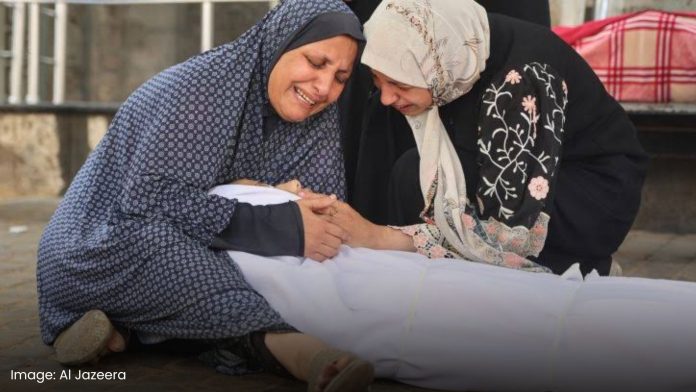
Three months ago, the United States and Isr*el launched nearly 900 strikes on Iran in a single day. Iran’s Supreme Leader was killed in the opening hours. A primary school in the southern city of Minab was hit while classes were underway. One hundred and twenty children died at their desks. Seven-year-old Makan Nasiri was never found. After seven weeks of searching, his parents were told to close the case.

No remains. No grave. No accountability.

That is what this deal is trying to stop from happening again.

What The 60-Day Framework Actually Contains

Negotiators from both sides have reportedly finalised a Memorandum of Understanding that would extend the existing ceasefire by 60 days and open a formal window for negotiations on Iran’s nuclear program.

Under the proposed framework, the Strait of Hormuz would reopen to unrestricted commercial shipping. Iran would remove the naval mines it deployed in the waterway within 30 days. The US would lift its naval blockade on Iranian ports. Iran would be permitted to sell oil freely again for the first time since the war began.

In exchange, Washington would begin discussions on sanctions relief and the unfreezing of Iranian assets held abroad. Those steps would only be implemented once nuclear-related commitments from Tehran are verified.

US forces that mobilised for the conflict would remain in the region throughout the 60-day period. They would only withdraw under the terms of a final agreement.

The framework exists on paper. It has not been signed.

The Nuclear Gap That Could Kill Everything

The Strait of Hormuz is no longer the hardest issue on the table.

Washington wants long-term restrictions on Iran’s uranium enrichment activities and the removal of Iran’s stockpile of highly enriched uranium. Tehran has publicly denied agreeing to hand over its stockpile, with Iran’s semi-official Tasnim News Agency stating the text of the agreement “has not been finalised.” Iranian officials have repeatedly insisted the nuclear file must be treated as a separate, longer negotiation.

Trump has stated publicly that Iran must give up what he calls “nuclear dust.” Netanyahu has said on record that enrichment sites must be dismantled and stockpiles physically removed. Iran’s position is that its nuclear program is a sovereign right and not a bargaining chip to be surrendered under military pressure.

That gap has not closed. It is the single greatest threat to the entire agreement.

The Demand That Stunned A Room Full Of Leaders

As negotiations neared a conclusion, Trump convened a call with the leaders of Saudi Arabia, Qatar, Pakistan, Turkey, Egypt, Jordan, the UAE, and Bahrain. He told them that signing the Abraham Accords, the US-brokered normalisation agreements with Isr*el first signed in 2020, was now a mandatory condition of any Iran deal.

According to sources familiar with the call, silence fell over the line. Trump reportedly joked and asked if they were still there.

Saudi Arabia reaffirmed its longstanding position: it will not recognise Isr*el without an irreversible pathway to Palestinian statehood. Pakistan rejected the demand publicly and immediately. Qatar rejected it. None of the countries Trump named have publicly agreed.

The Middle East of 2026 is not the Middle East of 2020. These governments have watched more than 72,000 Palestinians killed in Gaza while the original Accords remained in place. The political cost of signing has become impossible to calculate.

The Man Using A War To Kill A Deal

The most consequential figure in this negotiation may be the one who is not in the room.

Benjamin Netanyahu is not party to the US-Iran talks. But Iran has made the cessation of hostilities in Lebanon a condition of any agreement, which means every military decision Netanyahu makes in Lebanon now directly affects whether the deal survives.

The pattern has been visible and consistent.

The moment Trump announced in May that the deal was “largely negotiated,” Netanyahu ordered the IDF to press the pedal “even harder” against Hezbollah. When the April ceasefire between the US and Iran was declared, Netanyahu announced within hours that Lebanon was not included. Fifty Israeli jets then dropped 160 bombs on 100 targets across Lebanon in 10 minutes, the largest coordinated strike of the current war. His security minister, Itamar Ben-Gvir, stated publicly that the entire Israeli cabinet “will not allow” a peace deal with Iran.

The reason is not difficult to understand.

Netanyahu’s coalition is fracturing. Ultra-Orthodox parties have publicly withdrawn their trust after he failed to pass legislation exempting them from military service. Isr*el’s Supreme Court struck down the exemption arrangement. Two former prime ministers, Naftali Bennett and Yair Lapid, have merged their parties in opposition. Elections are approaching.

A peace deal that leaves Hezbollah intact and Iran’s nuclear program merely deferred does not save Netanyahu politically. It ends him. Continued war, on the other hand, keeps his coalition together and keeps elections at a distance. Lebanon is not just a military front. For Netanyahu, it is a lifeline.

Analysts at Responsible Statecraft noted this week that Netanyahu “can intensify attacks in Lebanon as an implicit veto, a demonstration that he can blow up the diplomatic environment that Trump needs to close his deal.”

Pakistan: The Country Nobody Expected

The country that made these negotiations possible is one that spent decades being dismissed as a pariah state.

Pakistan has hosted the Islamabad Talks, shuttled proposals between Washington and Tehran, brokered the April ceasefire, and maintained backchannel communication throughout the most difficult phases of the negotiations. The Council on Foreign Relations noted this month that Pakistan achieved something “many diplomats from wealthy democracies and leading global organisations had failed at for nearly five decades”: direct talks between the US and Iran.

That role came at a cost. When Trump demanded Pakistan sign the Abraham Accords as part of the Iran deal framework, Islamabad rejected it immediately and publicly. The country that built the bridge between two enemies was not willing to cross a different one.

What Happens Next

The proposed agreement has created the most serious diplomatic opening since the war began in February. If Trump signs and Iran’s new Supreme Leader Mojtaba Khamenei confirms acceptance, the Strait of Hormuz reopens, oil markets stabilise, and 60 days of nuclear negotiations begin.

If it falls apart, the region returns to a war that has already killed more than 6,000 people across Iran, Lebanon, Iraq, and the Gulf states, displaced 1.6 million people in Lebanon alone, triggered the largest oil supply disruption in recorded history, and pushed the global economy toward recession.

The framework exists.

The fighting has not stopped.

Makan Nasiri still has no grave.

And the deal still has no signature.

By Shizza Farooqui

Sources

Reuters, AP, Axios, Al Jazeera, Bloomberg, CNN, NBC News, CNBC, PBS NewsHour, Washington Post, Times of Israel, Responsible Statecraft, Council on Foreign Relations, Soufan Center, House of Commons Library, Human Rights Watch, Amnesty International, UN Office of the High Commissioner for Human Rights
Trump’s Iran Deal Could Reshape The Middle East

Three months ago, the United States and Isr*el launched nearly 900 strikes on Iran in a single day. Iran’s Supreme Leader was killed in the opening hours. A primary school in the southern city of Minab was hit while classes were underway. One hundred and twenty children died at their desks. Seven-year-old Makan Nasiri was never found. After seven weeks of searching, his parents were told to close the case.

No remains. No grave. No accountability.

That is what this deal is trying to stop from happening again.

What The 60-Day Framework Actually Contains

Negotiators from both sides have reportedly finalised a Memorandum of Understanding that would extend the existing ceasefire by 60 days and open a formal window for negotiations on Iran’s nuclear program.

Under the proposed framework, the Strait of Hormuz would reopen to unrestricted commercial shipping. Iran would remove the naval mines it deployed in the waterway within 30 days. The US would lift its naval blockade on Iranian ports. Iran would be permitted to sell oil freely again for the first time since the war began.

In exchange, Washington would begin discussions on sanctions relief and the unfreezing of Iranian assets held abroad. Those steps would only be implemented once nuclear-related commitments from Tehran are verified.

US forces that mobilised for the conflict would remain in the region throughout the 60-day period. They would only withdraw under the terms of a final agreement.

The framework exists on paper. It has not been signed.

The Nuclear Gap That Could Kill Everything

The Strait of Hormuz is no longer the hardest issue on the table.

Washington wants long-term restrictions on Iran’s uranium enrichment activities and the removal of Iran’s stockpile of highly enriched uranium. Tehran has publicly denied agreeing to hand over its stockpile, with Iran’s semi-official Tasnim News Agency stating the text of the agreement “has not been finalised.” Iranian officials have repeatedly insisted the nuclear file must be treated as a separate, longer negotiation.

Trump has stated publicly that Iran must give up what he calls “nuclear dust.” Netanyahu has said on record that enrichment sites must be dismantled and stockpiles physically removed. Iran’s position is that its nuclear program is a sovereign right and not a bargaining chip to be surrendered under military pressure.

That gap has not closed. It is the single greatest threat to the entire agreement.

The Demand That Stunned A Room Full Of Leaders

As negotiations neared a conclusion, Trump convened a call with the leaders of Saudi Arabia, Qatar, Pakistan, Turkey, Egypt, Jordan, the UAE, and Bahrain. He told them that signing the Abraham Accords, the US-brokered normalisation agreements with Isr*el first signed in 2020, was now a mandatory condition of any Iran deal.

According to sources familiar with the call, silence fell over the line. Trump reportedly joked and asked if they were still there.

Saudi Arabia reaffirmed its longstanding position: it will not recognise Isr*el without an irreversible pathway to Palestinian statehood. Pakistan rejected the demand publicly and immediately. Qatar rejected it. None of the countries Trump named have publicly agreed.

The Middle East of 2026 is not the Middle East of 2020. These governments have watched more than 72,000 Palestinians killed in Gaza while the original Accords remained in place. The political cost of signing has become impossible to calculate.

The Man Using A War To Kill A Deal

The most consequential figure in this negotiation may be the one who is not in the room.

Benjamin Netanyahu is not party to the US-Iran talks. But Iran has made the cessation of hostilities in Lebanon a condition of any agreement, which means every military decision Netanyahu makes in Lebanon now directly affects whether the deal survives.

The pattern has been visible and consistent.

The moment Trump announced in May that the deal was “largely negotiated,” Netanyahu ordered the IDF to press the pedal “even harder” against Hezbollah. When the April ceasefire between the US and Iran was declared, Netanyahu announced within hours that Lebanon was not included. Fifty Israeli jets then dropped 160 bombs on 100 targets across Lebanon in 10 minutes, the largest coordinated strike of the current war. His security minister, Itamar Ben-Gvir, stated publicly that the entire Israeli cabinet “will not allow” a peace deal with Iran.

The reason is not difficult to understand.

Netanyahu’s coalition is fracturing. Ultra-Orthodox parties have publicly withdrawn their trust after he failed to pass legislation exempting them from military service. Isr*el’s Supreme Court struck down the exemption arrangement. Two former prime ministers, Naftali Bennett and Yair Lapid, have merged their parties in opposition. Elections are approaching.

A peace deal that leaves Hezbollah intact and Iran’s nuclear program merely deferred does not save Netanyahu politically. It ends him. Continued war, on the other hand, keeps his coalition together and keeps elections at a distance. Lebanon is not just a military front. For Netanyahu, it is a lifeline.

Analysts at Responsible Statecraft noted this week that Netanyahu “can intensify attacks in Lebanon as an implicit veto, a demonstration that he can blow up the diplomatic environment that Trump needs to close his deal.”

Pakistan: The Country Nobody Expected

The country that made these negotiations possible is one that spent decades being dismissed as a pariah state.

Pakistan has hosted the Islamabad Talks, shuttled proposals between Washington and Tehran, brokered the April ceasefire, and maintained backchannel communication throughout the most difficult phases of the negotiations. The Council on Foreign Relations noted this month that Pakistan achieved something “many diplomats from wealthy democracies and leading global organisations had failed at for nearly five decades”: direct talks between the US and Iran.

That role came at a cost. When Trump demanded Pakistan sign the Abraham Accords as part of the Iran deal framework, Islamabad rejected it immediately and publicly. The country that built the bridge between two enemies was not willing to cross a different one.

What Happens Next

The proposed agreement has created the most serious diplomatic opening since the war began in February. If Trump signs and Iran’s new Supreme Leader Mojtaba Khamenei confirms acceptance, the Strait of Hormuz reopens, oil markets stabilise, and 60 days of nuclear negotiations begin.

If it falls apart, the region returns to a war that has already killed more than 6,000 people across Iran, Lebanon, Iraq, and the Gulf states, displaced 1.6 million people in Lebanon alone, triggered the largest oil supply disruption in recorded history, and pushed the global economy toward recession.

The framework exists.

The fighting has not stopped.

Makan Nasiri still has no grave.

And the deal still has no signature.

By Shizza Farooqui

Sources

Reuters, AP, Axios, Al Jazeera, Bloomberg, CNN, NBC News, CNBC, PBS NewsHour, Washington Post, Times of Israel, Responsible Statecraft, Council on Foreign Relations, Soufan Center, House of Commons Library, Human Rights Watch, Amnesty International, UN Office of the High Commissioner for Human Rights
spot_img

Explore more

spot_img
Science & Technology

AI Just Destroyed College Degrees

10,000 People Paid To Hear Their Pets

6,000 Died in 3 Days. Sudan’s UAE Mercenary Story Is Darker...

The Draft Crisis That Could End Netanyahu

Three Ceasefires. Three Active Wars.

Gaza’s Mass Graves: Children Found Bound And Buried

Saudi Arabia’s Trillion Dollar Dream Is Collapsing

26 People Down In Tokyo. Nobody Knows Why.