US Pauses Hormuz Operation Amid Iran Talks

Strait of Hormuz Crisis US Pauses Operation as Iran Talks Intensify

The Strait of Hormuz has become the center of a growing geopolitical crisis after the United States announced a temporary pause in its military operation aimed at moving stranded ships through the waterway. US President Donald Trump said the operation, referred to as Project Freedom, has been suspended to allow time for negotiations with Iran. The strait is one of the most important energy routes in the world, with roughly one fifth of global oil supplies passing through it.

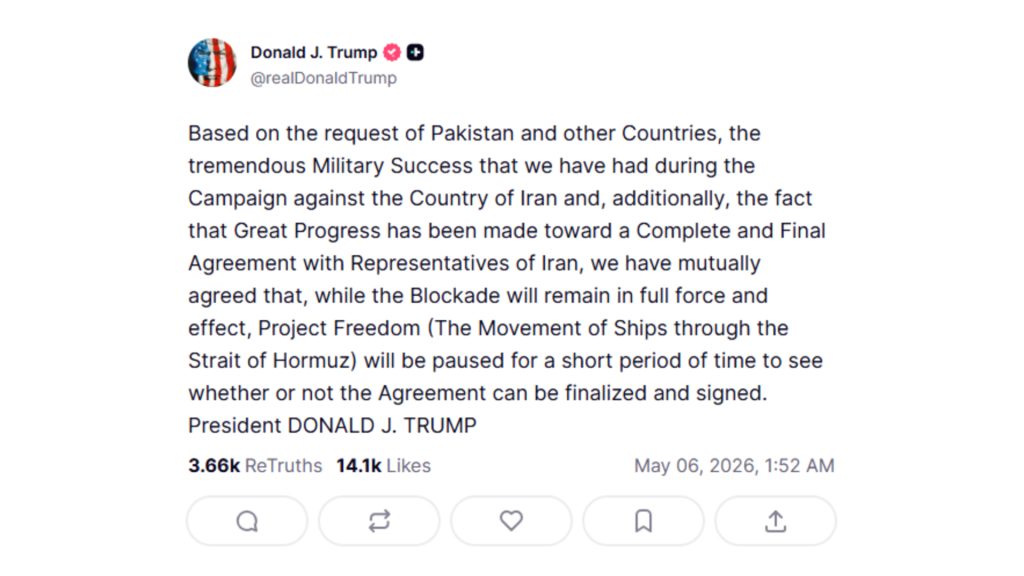
According to the announcement made on Truth Social, the pause was agreed upon following requests from Pakistan and other countries involved in mediation efforts. The US stated that progress had been made toward a possible complete agreement with Iran. However, officials emphasized that the blockade conditions remain in place and the situation is still highly unstable.
Military Escalation and Maritime Clashes

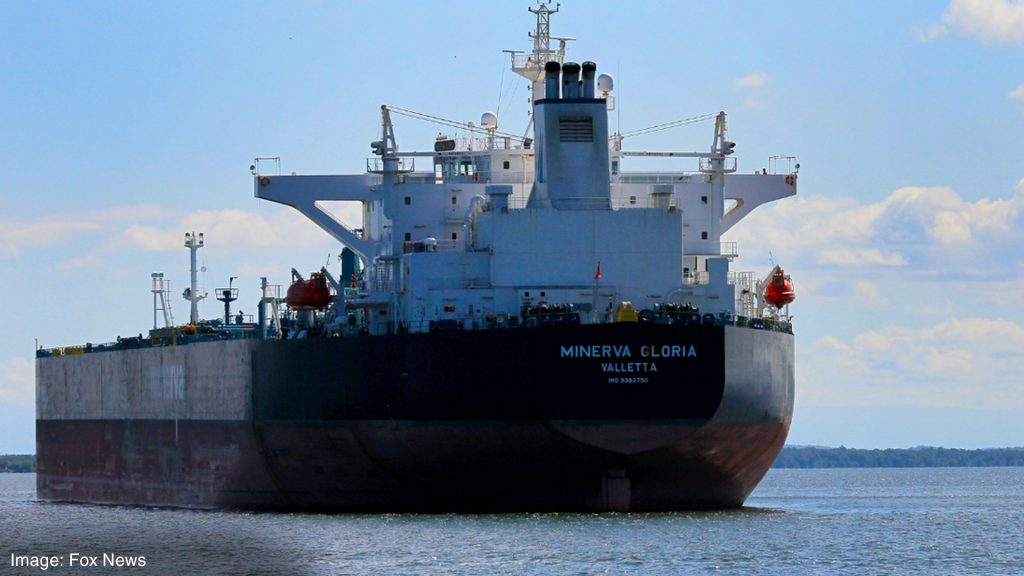
The pause comes during a period of heightened military activity in the Gulf. US forces reported destroying Iranian boats, cruise missiles and drones in recent operations near the strait. At the same time, the United Arab Emirates reported intercepting missile and drone attacks, while commercial vessels in the region reported being struck by unknown projectiles.

Iran’s Islamic Revolutionary Guard Corps responded by issuing new navigation warnings and expanding its claimed control map over parts of the strait. Vessels were instructed to follow designated corridors or face what Iran described as a decisive response. These developments have significantly increased uncertainty for international shipping and energy transport through the region.

Diplomatic Push and Blockade Conditions

The US government stated that its decision to pause operations is linked to ongoing diplomatic discussions aimed at reaching a final agreement with Iran. President Trump said that there is a possibility of a signed deal if current progress continues. However, the blockade remains active and is still affecting maritime movement through the strait.

Secretary of State Marco Rubio described the US position as defensive, stating that Iran should not be allowed to restrict access to international waterways. He emphasized that the United States does not accept any system where countries must pay or negotiate passage through the strait. Officials also confirmed that ceasefire conditions remain in place but are being closely monitored.

Energy Security and Global Impact

The closure and disruption of the Strait of Hormuz has already impacted global markets. Oil and fertilizer prices have risen due to uncertainty in supply chains, raising concerns about inflation and energy security worldwide. Analysts warn that continued instability in the region could contribute to broader economic pressure, including risks of recession and food supply challenges.
The situation is further complicated by ongoing military presence and competing claims over maritime control. With both diplomatic negotiations and military tensions continuing at the same time, the strait remains one of the most sensitive and strategically important points in global trade.

Sources: Al-Jazeera | CNN | Reuters
Strait of Hormuz Crisis US Pauses Operation as Iran Talks Intensify

The Strait of Hormuz has become the center of a growing geopolitical crisis after the United States announced a temporary pause in its military operation aimed at moving stranded ships through the waterway. US President Donald Trump said the operation, referred to as Project Freedom, has been suspended to allow time for negotiations with Iran. The strait is one of the most important energy routes in the world, with roughly one fifth of global oil supplies passing through it.

According to the announcement made on Truth Social, the pause was agreed upon following requests from Pakistan and other countries involved in mediation efforts. The US stated that progress had been made toward a possible complete agreement with Iran. However, officials emphasized that the blockade conditions remain in place and the situation is still highly unstable.

Military Escalation and Maritime Clashes

The pause comes during a period of heightened military activity in the Gulf. US forces reported destroying Iranian boats, cruise missiles and drones in recent operations near the strait. At the same time, the United Arab Emirates reported intercepting missile and drone attacks, while commercial vessels in the region reported being struck by unknown projectiles.

Iran’s Islamic Revolutionary Guard Corps responded by issuing new navigation warnings and expanding its claimed control map over parts of the strait. Vessels were instructed to follow designated corridors or face what Iran described as a decisive response. These developments have significantly increased uncertainty for international shipping and energy transport through the region.

Diplomatic Push and Blockade Conditions

The US government stated that its decision to pause operations is linked to ongoing diplomatic discussions aimed at reaching a final agreement with Iran. President Trump said that there is a possibility of a signed deal if current progress continues. However, the blockade remains active and is still affecting maritime movement through the strait.

Secretary of State Marco Rubio described the US position as defensive, stating that Iran should not be allowed to restrict access to international waterways. He emphasized that the United States does not accept any system where countries must pay or negotiate passage through the strait. Officials also confirmed that ceasefire conditions remain in place but are being closely monitored.

Energy Security and Global Impact

The closure and disruption of the Strait of Hormuz has already impacted global markets. Oil and fertilizer prices have risen due to uncertainty in supply chains, raising concerns about inflation and energy security worldwide. Analysts warn that continued instability in the region could contribute to broader economic pressure, including risks of recession and food supply challenges.

The situation is further complicated by ongoing military presence and competing claims over maritime control. With both diplomatic negotiations and military tensions continuing at the same time, the strait remains one of the most sensitive and strategically important points in global trade.

Sources: Al-Jazeera | CNN | Reuters

spot_img

Explore more

spot_img
Global Affairs

Trump Cut Off Cuba’s Oil. Now Its People Are Preparing For...

A French Company Paid Terrorists To Keep A Factory Running. Now...

They Were Burned Alive In Their Sleep. Police Say Their Classmates...

Musk Amplified The Rage. AI Made The Hitlist. Belfast Burned.

From Settlement Sales To Celebrity Ads: The Business Of Selling Israeli...

Bodies Of Evidence: The Explosive Al Jazeera Film Exposing Horrors Inside...

Isr*el Is Burning Lebanon From The Sky