US to Tariff India 100% Over Russian Oil, but Four Years of Sanctions Haven’t Slowed It. Will This Bill Change That?

The US Senate Passed New Russia Sanctions, but Old Ones Haven’t Worked Yet

Maryam Tariq

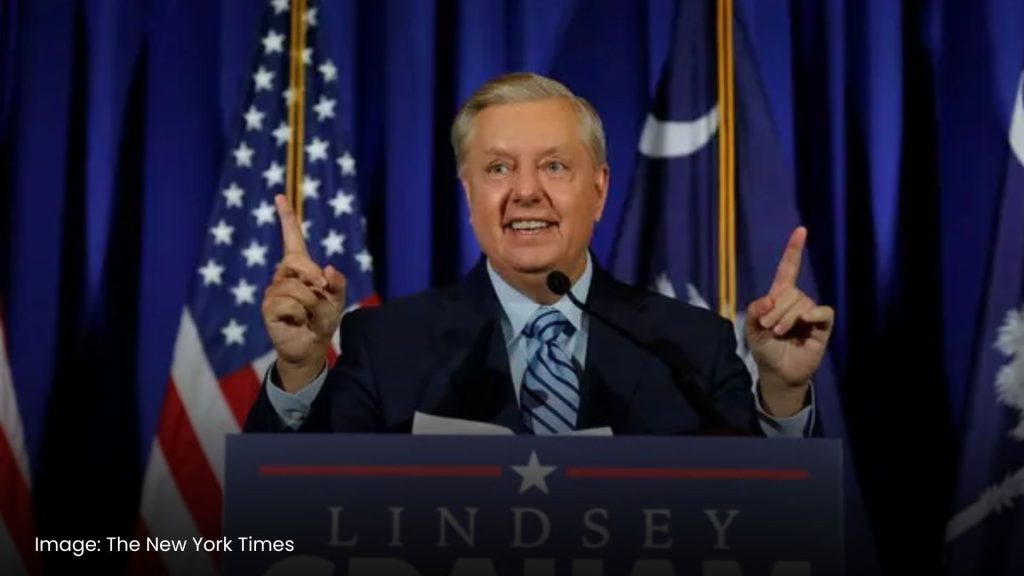
The US Senate voted 86 to 11 on Friday to pass a sweeping new sanctions package targeting Russia’s oil revenue, giving President Trump the authority to impose tariffs of up to 100 percent on countries that remain top buyers of Russian crude, including China and India. The bill, named the Lindsey O. Graham Sanctioning Russia and Iran Act of 2026 after the Republican senator who championed it before his death in July, now moves to a divided House that won’t take it up until it returns from recess in September.

What the Bill Actually Does

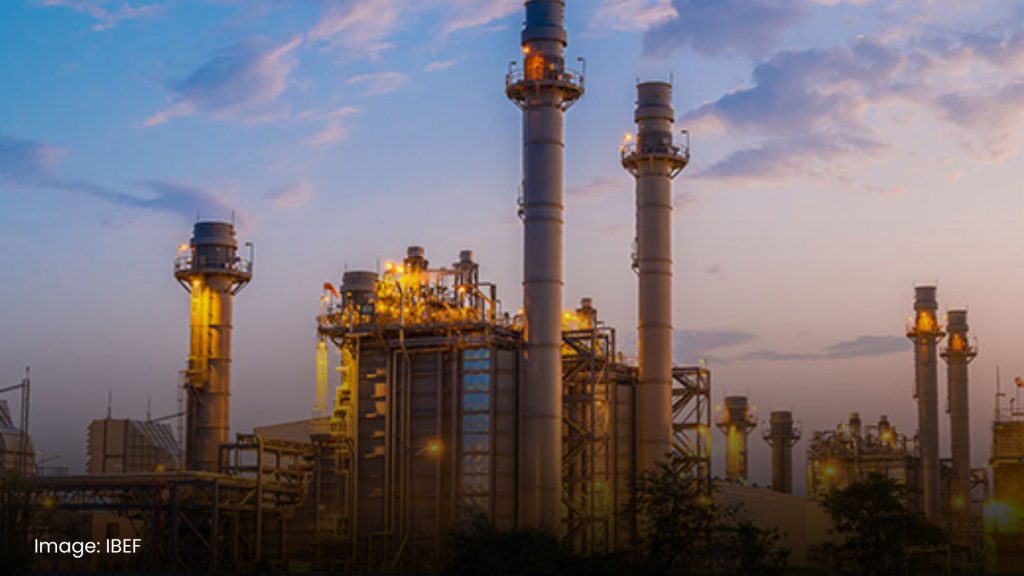
The legislation targets the top five importers of Russian oil and gas, a list expected to include China, India, Azerbaijan, Hungary and Slovakia, while also imposing fresh sanctions on Vladimir Putin, Russian oligarchs, senior officials and financial institutions tied to the Kremlin. It incorporates the Shadow Fleet Sanctions Act, aimed at the unmarked tanker networks used to move sanctioned oil undetected, and extends penalties on Iran’s energy sector through 2031 at Trump’s request. Crucially, the tariffs are not automatic. The bill hands Trump discretionary authority to impose them or not, a detail Democratic Representatives Gregory Meeks and Don Beyer specifically flagged, warning the president could weaponize that power unpredictably, or simply choose not to use it at all.
A Familiar Playbook That Hasn’t Delivered Yet

This is far from the West’s first attempt to choke off Russian oil revenue. Since December 2022, the G7 and EU have enforced a 60 dollar per barrel price cap on Russian crude, later lowered to 44.1 dollars. According to the Centre for Research on Energy and Clean Air, that cap has failed to impose a durable constraint on Russian export earnings, working only briefly and selectively while leaving other export channels largely untouched. In October 2025, Washington sanctioned Russia’s two largest oil companies, Rosneft and Lukoil, directly freezing their US assets. India, which imposed a 25 percent additional tariff penalty in August 2025 specifically over its Russian oil purchases, briefly cut imports in response, falling from 1.84 million barrels a day in November to roughly 1.04 million by February 2026.

Why the Numbers Keep Climbing Back Up

That reduction didn’t last. When the US-Israel war on Iran disrupted shipping through the Strait of Hormuz, India leaned right back into discounted Russian crude, with imports climbing 34 percent in June alone. CREA’s data shows India’s Russian crude purchases reached a record 4.5 billion euros in June 2026, accounting for 83 percent of the country’s total Russian fossil fuel imports, and pushing Russian oil past half of India’s total crude imports for the month. China’s pattern looks similar. Its imports of Russia’s ESPO crude grade rose 14 percent month-on-month this spring, the second-highest volume recorded since the full-scale invasion began, with China overtaking Saudi Arabia as its top crude supplier in January 2026.

How Both Countries Keep Getting Around Sanctions

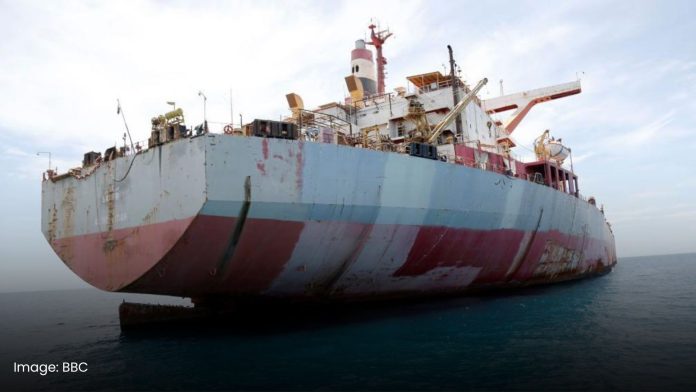
Enforcement gaps have consistently blunted these measures. According to the Centre for Research on Energy and Clean Air, nearly half of Russia’s seaborne oil moved via sanctioned shadow fleet tankers as of March 2026, with 48 vessels identified operating under false flags in a single month. The Atlantic Council has separately documented Russia supplying roughly 300 million barrels to international markets since sanctions waivers were issued this year, with steep discounts allowing China to save up to 28.8 million dollars a day at peak levels, savings that arguably offset much of the intended financial pressure.

What Makes This Attempt Different, on Paper

Analysts note this bill sits on firmer legal ground than earlier Trump-era tariff moves. After the Supreme Court ruled in February 2026 that the International Emergency Economic Powers Act does not authorize presidential tariffs, this bill was specifically structured with explicit congressional authorization to survive that ruling, a legal distinction its earlier 500 percent tariff predecessor lacked.

Why the Skepticism Persists

Even so, the fundamental dynamic hasn’t changed, India has openly said its energy purchases are guided by national interest, and its imports rose sharply the moment global supply tightened elsewhere, tariffs or not. With enforcement gaps still unresolved and discretionary tariff powers that may never actually be used, the pattern of the last four years suggests global oil demand, not sanctions pressure, has been the deciding factor so far.

Sources:

·  US Senate passes sweeping Russian energy sanctions bill amid Ukraine war — Al Jazeera: https://www.aljazeera.com

·  100% US tariff on India, What the Russia sanctions bill means — Hindustan Times: https://www.hindustantimes.com

·  Russia sanctions bill honoring Lindsey Graham breezes through Senate, heads to House — CNBC: https://www.cnbc.com/2026/08/07/russia-sanctions-bill-senate-graham.html

·  What the latest US sanctions bill means for Russia, and for China, India and Iran — Atlantic Council: https://www.atlanticcouncil.org/dispatches/what-the-latest-us-sanctions-bill-means-for-russia-and-for-china-india-and-iran/

·  Energy Sanctions Dashboard — Atlantic Council: https://www.atlanticcouncil.org/energy-sanctions-dashboard/

The US Senate Passed New Russia Sanctions, but Old Ones Haven’t Worked Yet

Maryam Tariq

The US Senate voted 86 to 11 on Friday to pass a sweeping new sanctions package targeting Russia’s oil revenue, giving President Trump the authority to impose tariffs of up to 100 percent on countries that remain top buyers of Russian crude, including China and India. The bill, named the Lindsey O. Graham Sanctioning Russia and Iran Act of 2026 after the Republican senator who championed it before his death in July, now moves to a divided House that won’t take it up until it returns from recess in September.

What the Bill Actually Does

The legislation targets the top five importers of Russian oil and gas, a list expected to include China, India, Azerbaijan, Hungary and Slovakia, while also imposing fresh sanctions on Vladimir Putin, Russian oligarchs, senior officials and financial institutions tied to the Kremlin. It incorporates the Shadow Fleet Sanctions Act, aimed at the unmarked tanker networks used to move sanctioned oil undetected, and extends penalties on Iran’s energy sector through 2031 at Trump’s request. Crucially, the tariffs are not automatic. The bill hands Trump discretionary authority to impose them or not, a detail Democratic Representatives Gregory Meeks and Don Beyer specifically flagged, warning the president could weaponize that power unpredictably, or simply choose not to use it at all.
A Familiar Playbook That Hasn’t Delivered Yet

This is far from the West’s first attempt to choke off Russian oil revenue. Since December 2022, the G7 and EU have enforced a 60 dollar per barrel price cap on Russian crude, later lowered to 44.1 dollars. According to the Centre for Research on Energy and Clean Air, that cap has failed to impose a durable constraint on Russian export earnings, working only briefly and selectively while leaving other export channels largely untouched. In October 2025, Washington sanctioned Russia’s two largest oil companies, Rosneft and Lukoil, directly freezing their US assets. India, which imposed a 25 percent additional tariff penalty in August 2025 specifically over its Russian oil purchases, briefly cut imports in response, falling from 1.84 million barrels a day in November to roughly 1.04 million by February 2026.

Why the Numbers Keep Climbing Back Up

That reduction didn’t last. When the US-Israel war on Iran disrupted shipping through the Strait of Hormuz, India leaned right back into discounted Russian crude, with imports climbing 34 percent in June alone. CREA’s data shows India’s Russian crude purchases reached a record 4.5 billion euros in June 2026, accounting for 83 percent of the country’s total Russian fossil fuel imports, and pushing Russian oil past half of India’s total crude imports for the month. China’s pattern looks similar. Its imports of Russia’s ESPO crude grade rose 14 percent month-on-month this spring, the second-highest volume recorded since the full-scale invasion began, with China overtaking Saudi Arabia as its top crude supplier in January 2026.

How Both Countries Keep Getting Around Sanctions

Enforcement gaps have consistently blunted these measures. According to the Centre for Research on Energy and Clean Air, nearly half of Russia’s seaborne oil moved via sanctioned shadow fleet tankers as of March 2026, with 48 vessels identified operating under false flags in a single month. The Atlantic Council has separately documented Russia supplying roughly 300 million barrels to international markets since sanctions waivers were issued this year, with steep discounts allowing China to save up to 28.8 million dollars a day at peak levels, savings that arguably offset much of the intended financial pressure.
What Makes This Attempt Different, on Paper

Analysts note this bill sits on firmer legal ground than earlier Trump-era tariff moves. After the Supreme Court ruled in February 2026 that the International Emergency Economic Powers Act does not authorize presidential tariffs, this bill was specifically structured with explicit congressional authorization to survive that ruling, a legal distinction its earlier 500 percent tariff predecessor lacked.

Why the Skepticism Persists

Even so, the fundamental dynamic hasn’t changed, India has openly said its energy purchases are guided by national interest, and its imports rose sharply the moment global supply tightened elsewhere, tariffs or not. With enforcement gaps still unresolved and discretionary tariff powers that may never actually be used, the pattern of the last four years suggests global oil demand, not sanctions pressure, has been the deciding factor so far.

Sources:

·  US Senate passes sweeping Russian energy sanctions bill amid Ukraine war — Al Jazeera: https://www.aljazeera.com

·  100% US tariff on India, What the Russia sanctions bill means — Hindustan Times: https://www.hindustantimes.com

·  Russia sanctions bill honoring Lindsey Graham breezes through Senate, heads to House — CNBC: https://www.cnbc.com/2026/08/07/russia-sanctions-bill-senate-graham.html

·  What the latest US sanctions bill means for Russia, and for China, India and Iran — Atlantic Council: https://www.atlanticcouncil.org/dispatches/what-the-latest-us-sanctions-bill-means-for-russia-and-for-china-india-and-iran/

·  Energy Sanctions Dashboard — Atlantic Council: https://www.atlanticcouncil.org/energy-sanctions-dashboard/

spot_img

Explore more

spot_img
Global Affairs

IDF Finally Admits It Fired on Hind Rajab’s Car. Why Now,...

Trump Administration Is Making Haitians Choose Between an Ankle Monitor and...

Why Argentina, Not Israel, Is Leading the Push for New Allies...

Three West Bank Villages Hit at Once, Israel’s Own Ally Calls...

Al-Aqsa Incursions Are Getting Bigger and More Frequent Through 2026

West Bank Violence Is Surging as Israel Heads Toward October Elections