Venezuela’s Nobel Winner Handed Trump Democracy’s Highest Honor. He Took An Oil Deal Instead.

The Nobel Prize, The Swag Bag, And Washington’s Betrayal Of Venezuela’s Democracy

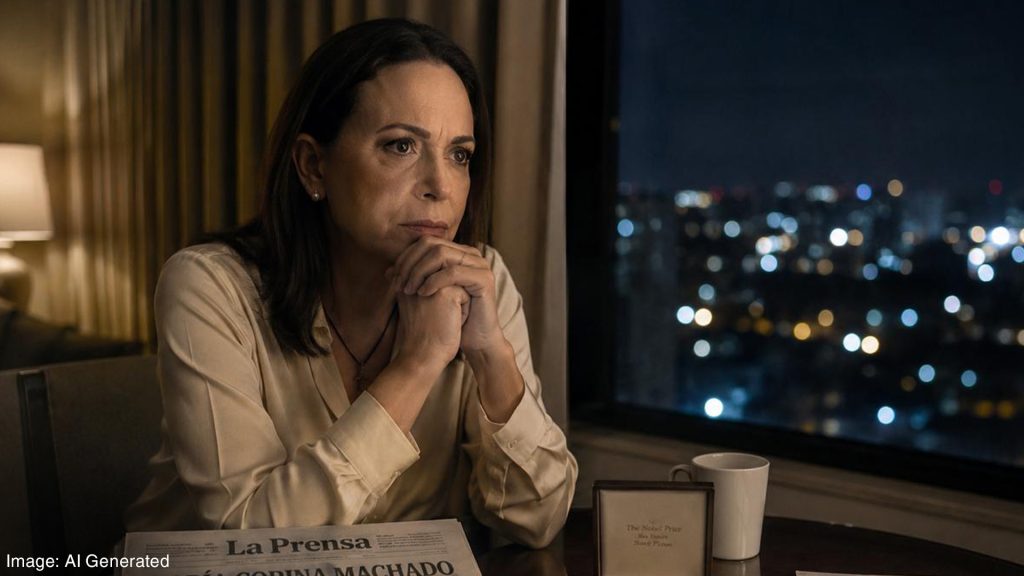
María Corina Machado spent more than a decade becoming the face of Venezuela’s opposition movement. She challenged Nicolás Maduro, survived threats and political bans, watched allies imprisoned, was banned from leaving her own country for twelve years, and eventually sent her children to the United States for their safety, calling it the hardest decision of her life. She won the Nobel Peace Prize for her efforts. Then she walked into the White House and handed it away.

The Meeting That Defined Everything

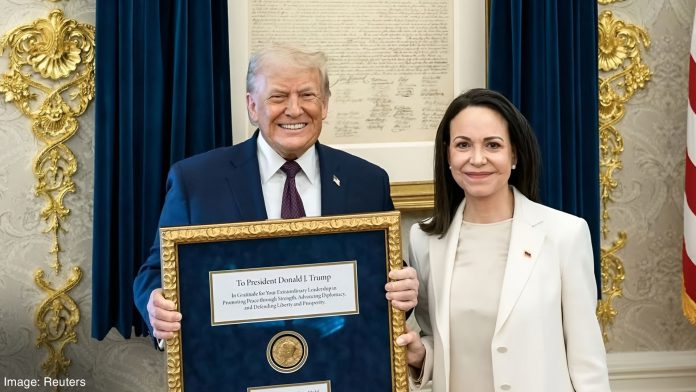
On January 15, Machado entered the Oval Office carrying her Nobel Peace Prize medal mounted in a large gold frame. The inscription read: “Presented as a personal symbol of gratitude on behalf of the Venezuelan people in recognition of President Trump’s principled and decisive action to secure a free Venezuela.” Trump accepted it, posted about it on Truth Social, and praised her as a wonderful woman who had been through so much. The Norwegian Nobel Committee immediately issued a statement reminding the world that the prize cannot be revoked, shared, or transferred to others. Machado left the White House holding a Trump-branded swag bag. She received no commitment regarding her role in Venezuela’s future. White House press secretary Karoline Leavitt told reporters that Trump’s assessment of Machado’s leadership potential had not changed. He had already said publicly that she lacked the support and respect within Venezuela necessary to lead a transition, calling her a very nice woman in the same breath.

She Was Never In The Plan

A Qatari source confirmed to CNN this week that neither US nor Venezuelan officials discussed Machado as part of the post-Maduro transition plan at any point during the months of Qatar-mediated talks before the January raid. She was not sidelined after Maduro fell. She was never in the plan to begin with. The revelation landed with particular force because Machado had been the most visible face of Venezuelan opposition internationally for years, surviving assassination threats, criminal charges, and over a decade of political persecution to reach that position.

How Rodriguez Built Her Relationship With Washington Over Nine Years

While Machado was fighting Maduro publicly in the streets and prison cells of Venezuela, Delcy Rodriguez was doing something quieter. In 2017, as Trump headed to Washington for his first inauguration, Rodriguez directed Citgo, a subsidiary of Venezuela’s state oil company, to donate 500,000 dollars to his inauguration fund. She hired his former campaign manager as a lobbyist. She cultivated Republican contacts in Congress and sought meetings with the head of Exxon. By the time US forces captured Maduro on January 3, Rodriguez had spent nearly a decade building a relationship with the man who would decide Venezuela’s future. Machado had spent the same decade fighting the system Rodriguez served. Washington chose the relationship it already had.
What The US Actually Secured

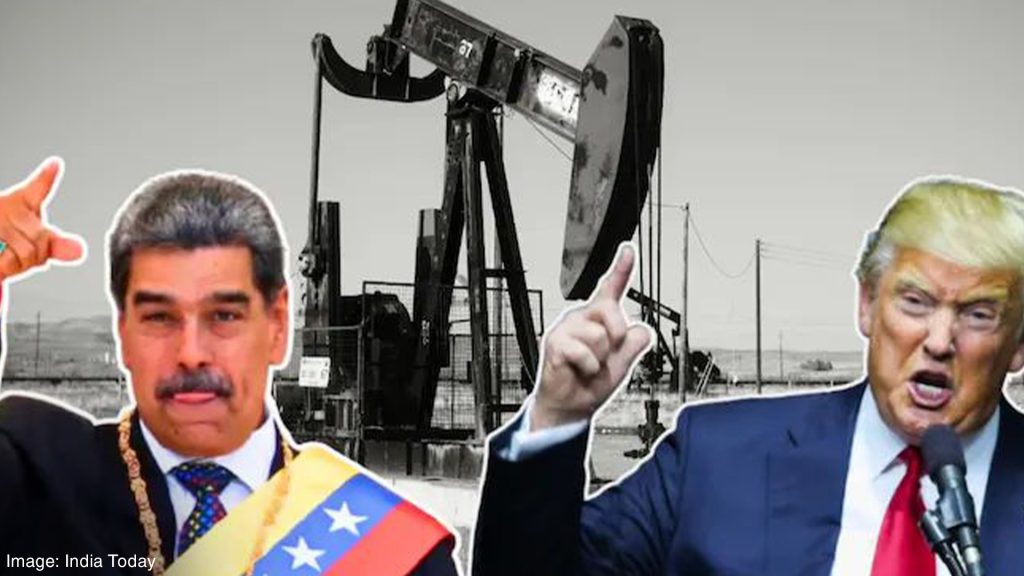
The Trump administration formally recognised Rodriguez as the sole head of state of Venezuela in a US federal court in March 2026. It reopened the US embassy in Caracas on March 30. It removed Rodriguez from the sanctions list on April 1, despite the US Treasury having previously described her as helping Maduro solidify his authoritarian rule. In March, the Treasury issued a broad authorisation allowing Venezuela’s state oil company PDVSA to directly sell oil to US companies on global markets. Trump took direct control of revenues from Venezuelan oil exports, depositing funds into accounts held by the US Treasury. A temporary bank account was set up in Qatar at the request of the US government to hold profits from Venezuelan oil sales. That account has since been closed. The capture of Maduro delivered Washington oil access, migration leverage, and regional stability. It did not deliver Venezuelan democracy.

The Regime Changed Its Face

Machado does not accept the transition as genuine. In a recent interview with El Pais she said Venezuela remains a dictatorship under Rodriguez because the judicial, legislative, and electoral powers remain captured by the executive. The system survived, she argued. Only the faces changed. She still faces terrorism and destabilisation charges filed by Venezuelan authorities that she has never faced trial for, charges she denies entirely. Her return to Venezuela is now being coordinated directly with the US government, meaning the same administration that excluded her from its transition plan now controls when and whether she can safely go home. When asked in her NPR interview if she still planned to return by end of year, she laughed and said it would be much, much sooner than that.
What The Story Actually Means

The deeper question surrounding Machado’s story is one that extends far beyond Venezuela. It is whether democratic movements can control political transitions once global powers and strategic interests become involved. Machado built a movement on moral authority, public sacrifice, and international recognition. Rodriguez built a relationship on oil, money, and a decade of quiet cultivation. Washington chose Rodriguez. The woman who gave away democracy’s highest honor to secure her country’s future did not get her country. She got a swag bag and a Truth Social post.

Sources: CNN, NPR, El País, Euronews, NBC News, ABC News, Al Jazeera, Reuters, Washington Post, VenezuelanalysisHashtags: #Verum #Venezuela #Machado #Trump #Maduro #Politics #Democracy #LatinAmerica #VenezuelaCrisis #NobelPrize
The Nobel Prize, The Swag Bag, And Washington’s Betrayal Of Venezuela’s Democracy

María Corina Machado spent more than a decade becoming the face of Venezuela’s opposition movement. She challenged Nicolás Maduro, survived threats and political bans, watched allies imprisoned, was banned from leaving her own country for twelve years, and eventually sent her children to the United States for their safety, calling it the hardest decision of her life. She won the Nobel Peace Prize for her efforts. Then she walked into the White House and handed it away.

The Meeting That Defined Everything

On January 15, Machado entered the Oval Office carrying her Nobel Peace Prize medal mounted in a large gold frame. The inscription read: “Presented as a personal symbol of gratitude on behalf of the Venezuelan people in recognition of President Trump’s principled and decisive action to secure a free Venezuela.” Trump accepted it, posted about it on Truth Social, and praised her as a wonderful woman who had been through so much. The Norwegian Nobel Committee immediately issued a statement reminding the world that the prize cannot be revoked, shared, or transferred to others. Machado left the White House holding a Trump-branded swag bag. She received no commitment regarding her role in Venezuela’s future. White House press secretary Karoline Leavitt told reporters that Trump’s assessment of Machado’s leadership potential had not changed. He had already said publicly that she lacked the support and respect within Venezuela necessary to lead a transition, calling her a very nice woman in the same breath.

She Was Never In The Plan

A Qatari source confirmed to CNN this week that neither US nor Venezuelan officials discussed Machado as part of the post-Maduro transition plan at any point during the months of Qatar-mediated talks before the January raid. She was not sidelined after Maduro fell. She was never in the plan to begin with. The revelation landed with particular force because Machado had been the most visible face of Venezuelan opposition internationally for years, surviving assassination threats, criminal charges, and over a decade of political persecution to reach that position.

How Rodriguez Built Her Relationship With Washington Over Nine Years

While Machado was fighting Maduro publicly in the streets and prison cells of Venezuela, Delcy Rodriguez was doing something quieter. In 2017, as Trump headed to Washington for his first inauguration, Rodriguez directed Citgo, a subsidiary of Venezuela’s state oil company, to donate 500,000 dollars to his inauguration fund. She hired his former campaign manager as a lobbyist. She cultivated Republican contacts in Congress and sought meetings with the head of Exxon. By the time US forces captured Maduro on January 3, Rodriguez had spent nearly a decade building a relationship with the man who would decide Venezuela’s future. Machado had spent the same decade fighting the system Rodriguez served. Washington chose the relationship it already had.

What The US Actually Secured

The Trump administration formally recognised Rodriguez as the sole head of state of Venezuela in a US federal court in March 2026. It reopened the US embassy in Caracas on March 30. It removed Rodriguez from the sanctions list on April 1, despite the US Treasury having previously described her as helping Maduro solidify his authoritarian rule. In March, the Treasury issued a broad authorisation allowing Venezuela’s state oil company PDVSA to directly sell oil to US companies on global markets. Trump took direct control of revenues from Venezuelan oil exports, depositing funds into accounts held by the US Treasury. A temporary bank account was set up in Qatar at the request of the US government to hold profits from Venezuelan oil sales. That account has since been closed. The capture of Maduro delivered Washington oil access, migration leverage, and regional stability. It did not deliver Venezuelan democracy.

The Regime Changed Its Face

Machado does not accept the transition as genuine. In a recent interview with El Pais she said Venezuela remains a dictatorship under Rodriguez because the judicial, legislative, and electoral powers remain captured by the executive. The system survived, she argued. Only the faces changed. She still faces terrorism and destabilisation charges filed by Venezuelan authorities that she has never faced trial for, charges she denies entirely. Her return to Venezuela is now being coordinated directly with the US government, meaning the same administration that excluded her from its transition plan now controls when and whether she can safely go home. When asked in her NPR interview if she still planned to return by end of year, she laughed and said it would be much, much sooner than that.

What The Story Actually Means

The deeper question surrounding Machado’s story is one that extends far beyond Venezuela. It is whether democratic movements can control political transitions once global powers and strategic interests become involved. Machado built a movement on moral authority, public sacrifice, and international recognition. Rodriguez built a relationship on oil, money, and a decade of quiet cultivation. Washington chose Rodriguez. The woman who gave away democracy’s highest honor to secure her country’s future did not get her country. She got a swag bag and a Truth Social post.

Sources: CNN, NPR, El País, Euronews, NBC News, ABC News, Al Jazeera, Reuters, Washington Post, VenezuelanalysisHashtags: #Verum #Venezuela #Machado #Trump #Maduro #Politics #Democracy #LatinAmerica #VenezuelaCrisis #NobelPrize
spot_img

Explore more

spot_img
Global Affairs

Trump Cut Off Cuba’s Oil. Now Its People Are Preparing For...

A French Company Paid Terrorists To Keep A Factory Running. Now...

They Were Burned Alive In Their Sleep. Police Say Their Classmates...

Musk Amplified The Rage. AI Made The Hitlist. Belfast Burned.

Five Days. Three Mosques Demolished. One Question India Still Won’t Answer.

From Settlement Sales To Celebrity Ads: The Business Of Selling Israeli...

Bodies Of Evidence: The Explosive Al Jazeera Film Exposing Horrors Inside...

Isr*el Is Burning Lebanon From The Sky