Your Closest Ally Is Spying On You.

The Spy Game Has Turned Inward

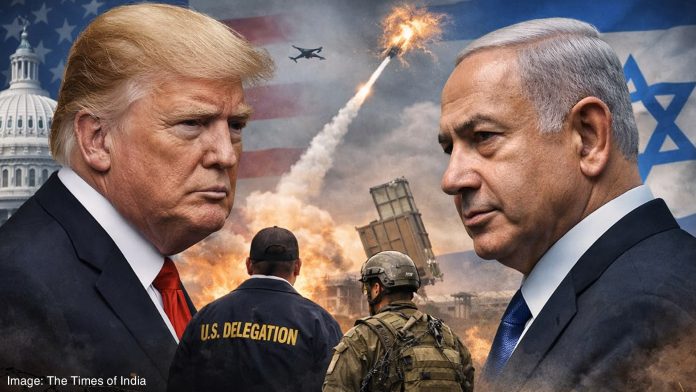
America has spent years warning the world about foreign spies, hostile intelligence networks and the danger of rivals stealing secrets from inside its institutions. But the latest reporting points to something more uncomfortable: the fear is no longer only about enemies.

Reports from US media say the Pentagon’s Defense Intelligence Agency raised Isr*el’s counterintelligence threat assessment from “high” to “critical,” the highest designation in its internal system. Isr*el is one of America’s closest military and intelligence partners, which is exactly why the report matters. This is not a story about an obvious rival. It is a story about an ally being treated as a serious spy risk inside the American security system.
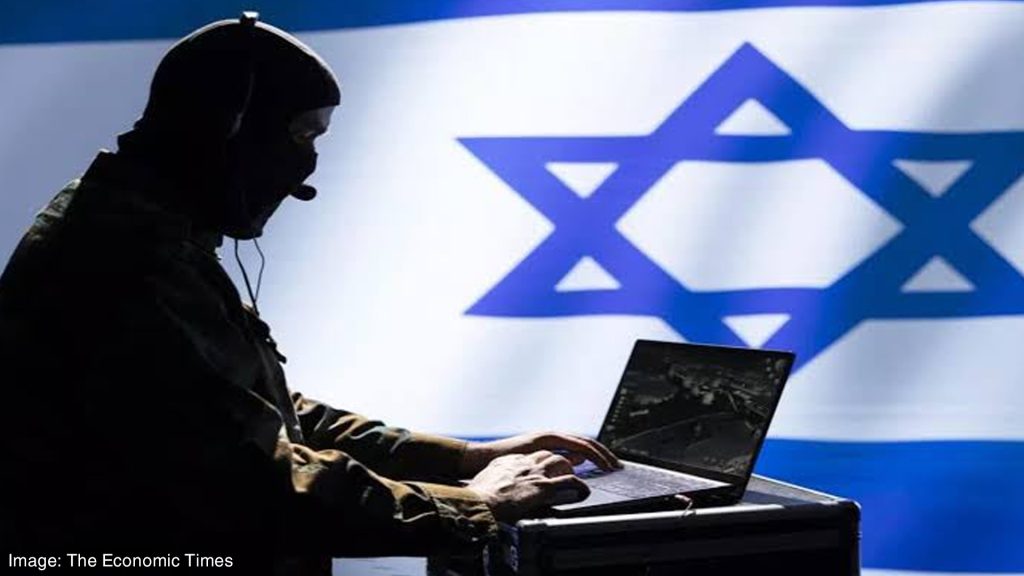
The alleged concern centres on intelligence gathering against US officials, military personnel and policy discussions, especially around Washington’s handling of Iran. The New York Times reported that specific officials, including Trump envoy Steve Witkoff and senior Pentagon policy figures Elbridge Colby and Michael DiMino IV, were among those discussed in the reporting. Witkoff was the lead negotiator in US-Iran nuclear talks before the February 28 strikes on Iran. Isr*el, which opposed those talks, allegedly wanted to know what America was deciding before America decided it.

The Decision America Made Unilaterally

There is a specific detail that makes this story sharper than a standard spy report. The United States made a deliberate political decision not to conduct intelligence operations against Isr*el. It is one of a small number of countries granted that status. Isr*el, according to the DIA assessment, did not make the same decision.
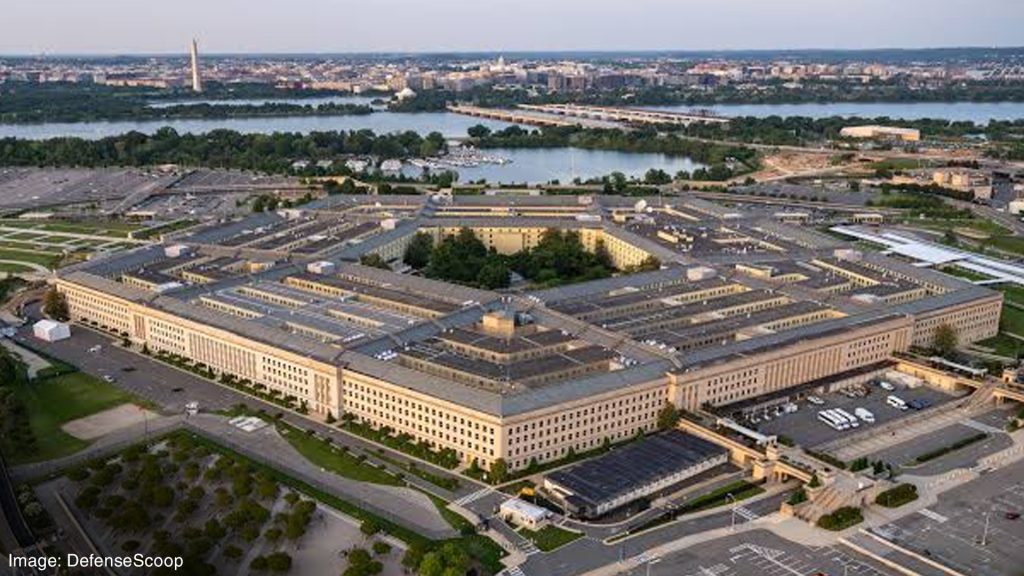
While America chose to look away, Isr*el kept watching. The DIA’s own reporting noted an attempted planting of listening devices at DIA headquarters in 2021. US defence personnel working in Isr*el also discovered software had been surreptitiously installed on their phones to tap their communications.

The denials also matter. The Isr*eli Embassy denied spying on US officials. The White House called the story false. The Pentagon declined to comment. That means the wording must stay precise: this is a reported US intelligence assessment, not an official public Pentagon confirmation.

The Surveillance Machine America Built

None of this exists in a vacuum. American intelligence agencies have faced their own scrutiny over surveillance. The NSA’s PRISM programme, revealed in 2013 by Edward Snowden, documented mass data collection affecting millions worldwide. Reports later emerged that American intelligence had monitored the personal phone of German Chancellor Angela Merkel. The CIA has conducted operations across every continent. The question of who surveils whom has never had a clean answer.

Pegasus adds the global layer. The spyware made by NSO Group, an Isr*eli company, has been documented in use across more than 50 countries, targeting journalists, activists, lawyers and political figures. Its power comes from the fact that it does not need to break encryption directly. It compromises the phone itself. Governments that purchased it used it not just against criminals and terrorists, as NSO Group claims it is intended for, but against their own citizens, their own press and their own opposition.
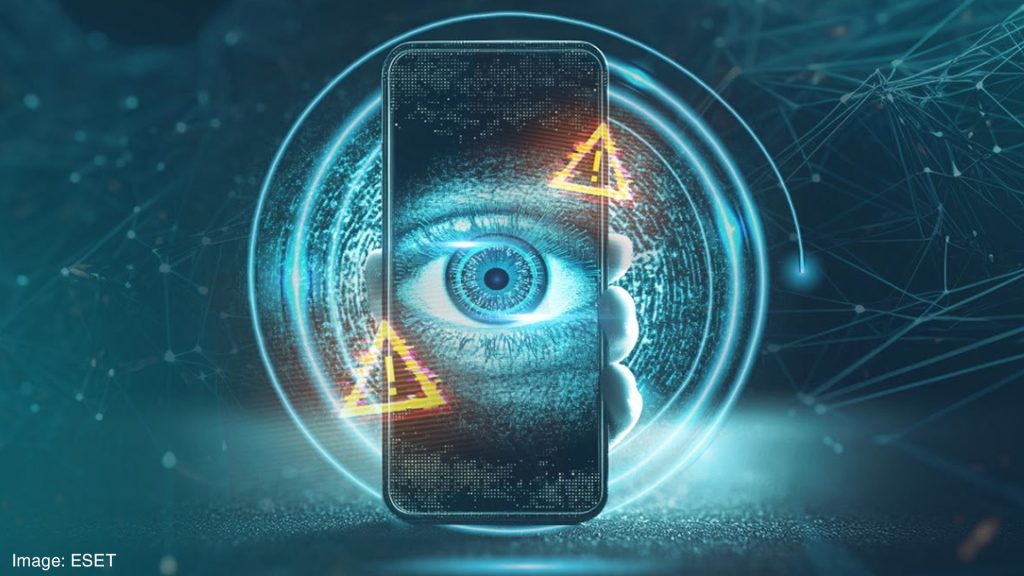
The surveillance logic that powerful states normalised did not stay contained within the boundaries they intended. It spread. It was sold. It was repurposed. And it came back around.

Why This Moment Matters

The DIA assessment of Isr*el is not just a bureaucratic threat rating. It is a signal that the rules of the intelligence world are shifting in ways that even the most powerful players did not fully anticipate.

Isr*el and America are bound by one of the closest military and financial relationships in modern history. America funds Isr*el’s defence. They share intelligence. They coordinate operations. And yet, according to this reporting, Isr*el was watching the people America sent to negotiate the most sensitive diplomatic moment of 2026.

That is the story beneath the story. Not just that an ally spied. But that the system America built, the alliances it assumed were clean, and the intelligence frameworks it trusted are all now operating in ways that circle back uncomfortably toward Washington itself.

America built one of the most powerful surveillance systems in modern history. Now it is afraid of the world it helped create.

By Shizza Farooqui

SOURCES

NBC News | New York Times | Al Jazeera | Times of Israel | Jerusalem Post | Amnesty International / Forbidden Stories / Citizen Lab / Access Now
The Spy Game Has Turned Inward

America has spent years warning the world about foreign spies, hostile intelligence networks and the danger of rivals stealing secrets from inside its institutions. But the latest reporting points to something more uncomfortable: the fear is no longer only about enemies.

Reports from US media say the Pentagon’s Defense Intelligence Agency raised Isr*el’s counterintelligence threat assessment from “high” to “critical,” the highest designation in its internal system. Isr*el is one of America’s closest military and intelligence partners, which is exactly why the report matters. This is not a story about an obvious rival. It is a story about an ally being treated as a serious spy risk inside the American security system.

The alleged concern centres on intelligence gathering against US officials, military personnel and policy discussions, especially around Washington’s handling of Iran. The New York Times reported that specific officials, including Trump envoy Steve Witkoff and senior Pentagon policy figures Elbridge Colby and Michael DiMino IV, were among those discussed in the reporting. Witkoff was the lead negotiator in US-Iran nuclear talks before the February 28 strikes on Iran. Isr*el, which opposed those talks, allegedly wanted to know what America was deciding before America decided it.

The Decision America Made Unilaterally

There is a specific detail that makes this story sharper than a standard spy report. The United States made a deliberate political decision not to conduct intelligence operations against Isr*el. It is one of a small number of countries granted that status. Isr*el, according to the DIA assessment, did not make the same decision.

While America chose to look away, Isr*el kept watching. The DIA’s own reporting noted an attempted planting of listening devices at DIA headquarters in 2021. US defence personnel working in Isr*el also discovered software had been surreptitiously installed on their phones to tap their communications.

The denials also matter. The Isr*eli Embassy denied spying on US officials. The White House called the story false. The Pentagon declined to comment. That means the wording must stay precise: this is a reported US intelligence assessment, not an official public Pentagon confirmation.

The Surveillance Machine America Built

None of this exists in a vacuum. American intelligence agencies have faced their own scrutiny over surveillance. The NSA’s PRISM programme, revealed in 2013 by Edward Snowden, documented mass data collection affecting millions worldwide. Reports later emerged that American intelligence had monitored the personal phone of German Chancellor Angela Merkel. The CIA has conducted operations across every continent. The question of who surveils whom has never had a clean answer.

Pegasus adds the global layer. The spyware made by NSO Group, an Isr*eli company, has been documented in use across more than 50 countries, targeting journalists, activists, lawyers and political figures. Its power comes from the fact that it does not need to break encryption directly. It compromises the phone itself. Governments that purchased it used it not just against criminals and terrorists, as NSO Group claims it is intended for, but against their own citizens, their own press and their own opposition.

The surveillance logic that powerful states normalised did not stay contained within the boundaries they intended. It spread. It was sold. It was repurposed. And it came back around.

Why This Moment Matters

The DIA assessment of Isr*el is not just a bureaucratic threat rating. It is a signal that the rules of the intelligence world are shifting in ways that even the most powerful players did not fully anticipate.

Isr*el and America are bound by one of the closest military and financial relationships in modern history. America funds Isr*el’s defence. They share intelligence. They coordinate operations. And yet, according to this reporting, Isr*el was watching the people America sent to negotiate the most sensitive diplomatic moment of 2026.

That is the story beneath the story. Not just that an ally spied. But that the system America built, the alliances it assumed were clean, and the intelligence frameworks it trusted are all now operating in ways that circle back uncomfortably toward Washington itself.

America built one of the most powerful surveillance systems in modern history. Now it is afraid of the world it helped create.

By Shizza Farooqui

SOURCES

NBC News | New York Times | Al Jazeera | Times of Israel | Jerusalem Post | Amnesty International / Forbidden Stories / Citizen Lab / Access Now

spot_img

Explore more

spot_img
Global Affairs

Isr*el Is Burning Lebanon From The Sky

Saudi Arabia Just Dug Up The Words Of Islam’s Second Caliph,...

The Most Hostile World Cup Ever

The Ceasefire Died Near Hormuz Last Night.

AJK Is At A Crossroads. What Happens Next?

Pakistan’s Next Flood Is Already Forming.

The Rich Are Planning Doomsday Escapes.