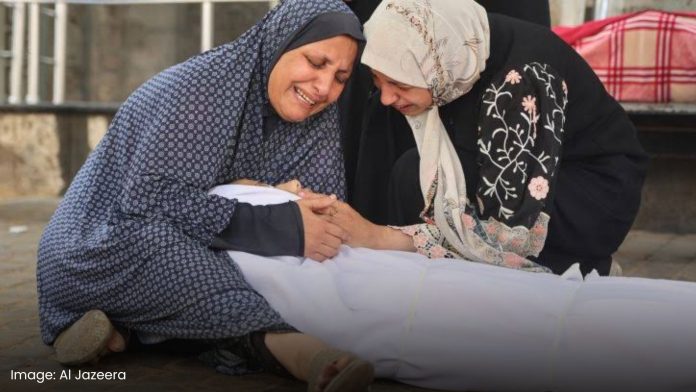

For much of the world, Sudan’s war has remained distant background noise behind Gaza, Ukraine, and the growing confrontation between major powers.
But what investigators are now uncovering inside Sudan may become one of the clearest examples yet of how modern warfare is increasingly being outsourced through private military networks, foreign money, and deniable systems operating in the shadows.
At the center of the story is El Fasher.
The Massacre in El Fasher
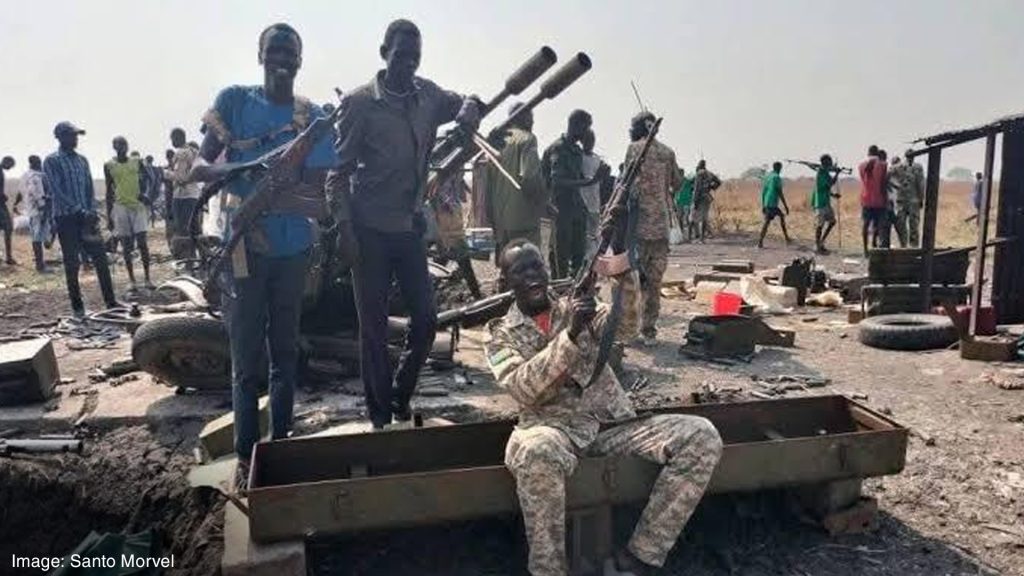
In late October 2025, Sudan’s Rapid Support Forces (RSF) launched a devastating offensive on the city of El Fasher in Darfur. According to United Nations findings cited by Human Rights Watch, at least 6,000 people were reportedly killed within just three days as the city descended into mass violence.
The UN Fact-Finding Mission later said the assault bore “the hallmarks of genocide.”
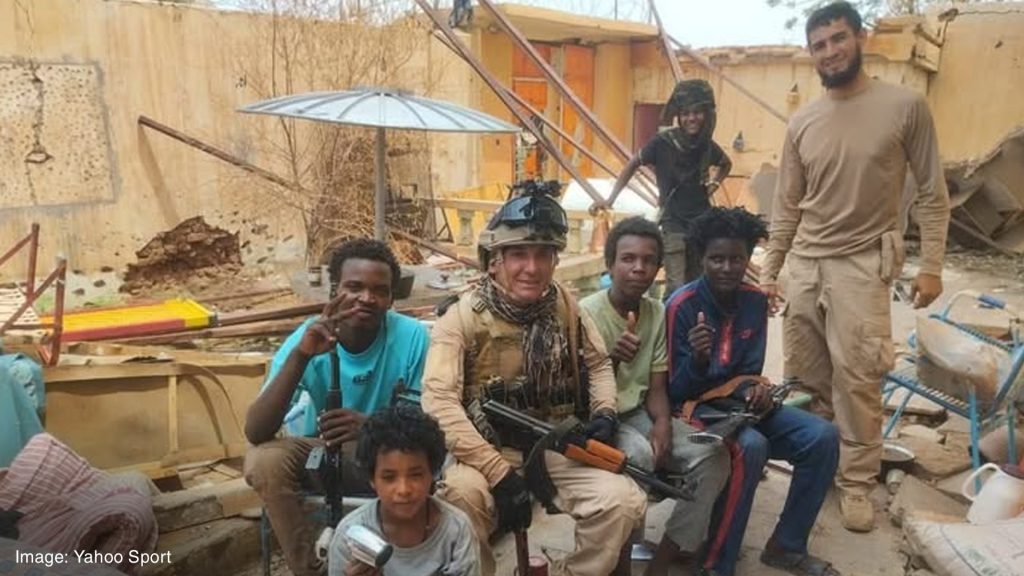
Witnesses described trench executions, drone attacks, mass displacement, and heavily armed foreign fighters moving alongside RSF units during some of the worst atrocities.
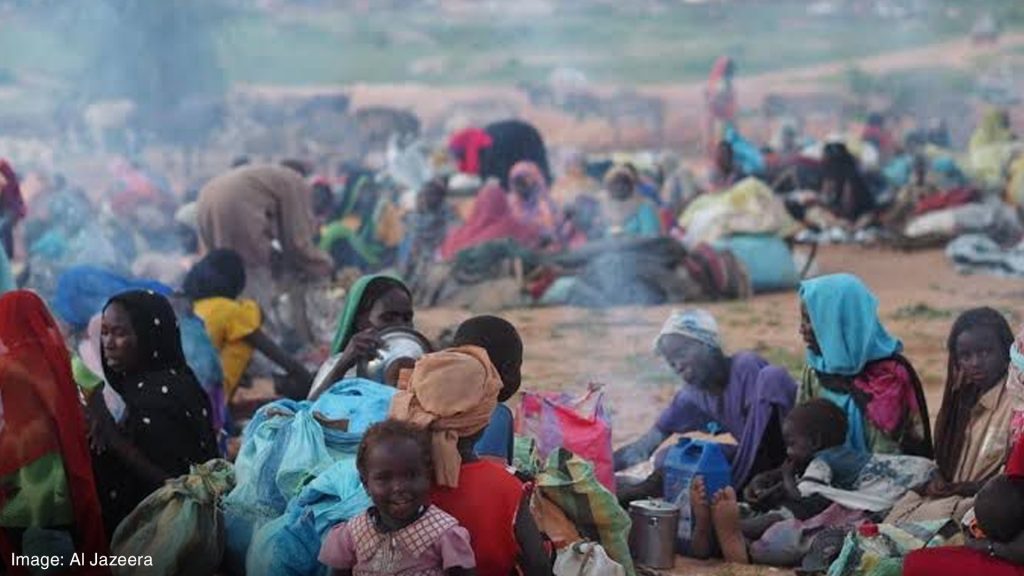
For many Sudanese civilians, El Fasher became another symbol of how Sudan’s civil war has spiraled into one of the world’s largest humanitarian catastrophes.
But the deeper investigators looked into the massacre, the more they found signs pointing far beyond Sudan itself.
The Colombian Mercenary Pipeline
An 83-page Human Rights Watch report titled From Bogotá to El Fasher alleges that Colombian mercenaries were recruited through UAE-linked systems before being deployed into Sudan to support RSF operations.
According to the report, former Colombian soldiers were allegedly hired through the Abu Dhabi-based company Global Security Services Group. Investigators say many moved through Chad and other transit points before appearing inside Sudan.
Human Rights Watch says witnesses, recruitment records, travel data, geolocated videos, satellite imagery, and battlefield testimony all point toward a coordinated foreign mercenary network operating behind parts of Sudan’s war.
The report also alleges that some Colombian contractors trained near Abu Dhabi, including at facilities linked to Al Dhafra military infrastructure, before deployment into Sudan.
The UAE strongly denies the allegations. In statements responding to Associated Press questions, Emirati officials said the UAE does not permit its territory to be used for recruiting, training, financing, or transporting foreign fighters into Sudan.
Still, the investigation surrounding the mercenary allegations has continued expanding.
The Evidence Investigators Say They Found
What makes this story particularly disturbing is not only the allegations themselves, but the growing amount of evidence surrounding them.
Human Rights Watch says investigators reviewed geolocated battlefield footage, satellite imagery, sanctions records, recruitment contracts, witness interviews, internal documents, travel patterns, and battlefield photographs.
The Conflict Insights Group, a security analysis organisation, tracked the mobile phones of more than 50 Colombian fighters moving through Sudan between April 2025 and January 2026. Its director Justin Lynch told the BBC the findings represented “the first research where we can prove UAE involvement with certainty.”
United Nations investigators also confirmed that Colombian mercenaries were reportedly active in multiple regions of Sudan, including Darfur, Khartoum, and Kordofan, with alleged roles involving drones, artillery, and armored vehicle operations.
Perhaps most strikingly, RSF commander General Mohammed Hamdan Dagalo himself acknowledged in video comments in February that Colombian mercenaries have aided his group in drone operations.
Witnesses repeatedly described “white foreign fighters” wearing matching military gear during major RSF offensives.
Taken together, investigators say the evidence increasingly points toward a war shaped not only by local militias, but by organized international systems operating behind them.
Why Colombia Keeps Appearing in Global Wars
One of the reasons this story feels so unusual is the appearance of Colombian fighters in an African conflict.
But security analysts say Colombia has become one of the world’s largest sources of private military contractors after decades of internal conflict and US-backed military training produced a large pool of experienced ex-soldiers.
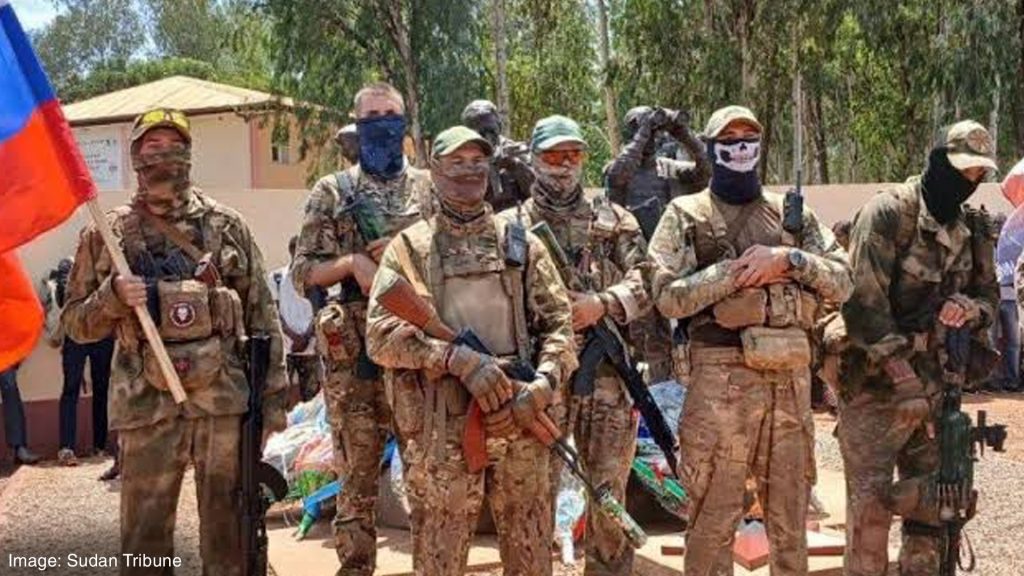
Many are later recruited into conflicts abroad because they are highly trained, relatively inexpensive compared to Western contractors, and easier to deploy quietly through private networks.
Over the past decade, Colombian contractors have reportedly appeared in conflicts stretching from Yemen to Haiti. Sudan may now be the most disturbing example yet.
A Warning About the Future of War
Sudan’s humanitarian catastrophe is increasingly becoming a story about something much larger than Sudan itself.
It is becoming a story about privatized warfare, proxy influence, and the globalization of conflict.
The deeper investigators looked into El Fasher, the more Sudan’s war began resembling a modern outsourced military operation involving drones, mercenary systems, foreign logistics, private networks, and deniable actors operating behind one of the world’s deadliest conflicts.
And even after thousands reportedly died in El Fasher, much of the world barely noticed.
That may ultimately become one of the most unsettling parts of the story.
By Shizza Farooqui
Sources: Human Rights Watch, AP News, Reuters, BBC, United Nations, The Guardian