Saudi Arabia’s Trillion Dollar Dream Is Collapsing

Inside The Cracks Emerging Beneath Saudi Arabia’s NEOM Dream

For years, Saudi Arabia presented NEOM as the future of human civilization.

A 170-kilometre mirrored megacity called The Line. Flying taxis. Artificial moons. Robot workers. A desert transformed into a futuristic utopia designed to redefine how humanity lives. The project became the centrepiece of Crown Prince Mohammed bin Salman’s Vision 2030 plan to move Saudi Arabia beyond oil and reposition the kingdom as a global technology and innovation power.

The original promise: 9 million residents inside The Line alone by 2030. The current reality: a population target of 100,000 across the entire NEOM zone. Between those two numbers sits $50 billion in spending, 2.4 kilometres of foundation work, and a desert that is mostly still empty.

In 2026, the story surrounding NEOM is beginning to change dramatically.

The Economic Reality Behind The Dream

Saudi Arabia’s financial pressure is now becoming impossible to ignore.

The kingdom needs oil prices around $90 per barrel to balance its budget. Brent crude has spent much of the past year trading in the $60 to $70 range. Aramco cut its dividend by 30% in 2025, dropping from $124 billion to $85 billion. Since PIF holds a 16% stake in Aramco, that single cut cost the sovereign wealth fund at least $6 billion in income. Public debt rose from 1.22 trillion to 1.52 trillion riyals in a single year. The 2025 fiscal deficit hit 5.3% of GDP, nearly double what was originally projected.

Construction contracts awarded nationally collapsed from $71 billion in 2024 to below $30 billion in 2025. NEOM was not mentioned once in the 2026 national budget statement. For a project sold to the world as the future of civilization, its absence from the budget speaks louder than any official statement.

There is also a paradox buried inside the Iran war. When conflict pushed oil above $100 per barrel in early 2026, Saudi Arabia briefly generated daily fiscal surpluses. Now, as ceasefire talks progress and the Strait of Hormuz edges toward reopening, oil prices face renewed downward pressure. For Riyadh, peace may prove more financially painful than the conflict itself.

The Projects That Quietly Began Disappearing

Semafor reported in May 2026 that major work on The Line had been pushed beyond 2030. Italian firm Webuild confirmed the termination of a $1.16 billion high-speed rail contract, with 20% of the work already complete. Hyundai’s $1 billion tunnel contract was cancelled in March. Eversendai confirmed the termination of structural steel work at the Trojena ski village. The 2029 Asian Winter Games, once expected at Trojena, were handed to Kazakhstan. Total cancelled contract backlog in 2026 exceeds $8.45 billion. PIF recorded an $8 billion write-down across its giga-project portfolio.

At a Future Investment Initiative summit Saudi Arabia built to project sovereign strength and equal partnership with Washington, President Trump publicly declared that MBS was “kissing my ass.” The humiliation was delivered on the kingdom’s own stage, in front of its own guests.

The Human Story Behind The Renderings

The strongest emotional layer inside the NEOM story may not be economic at all.

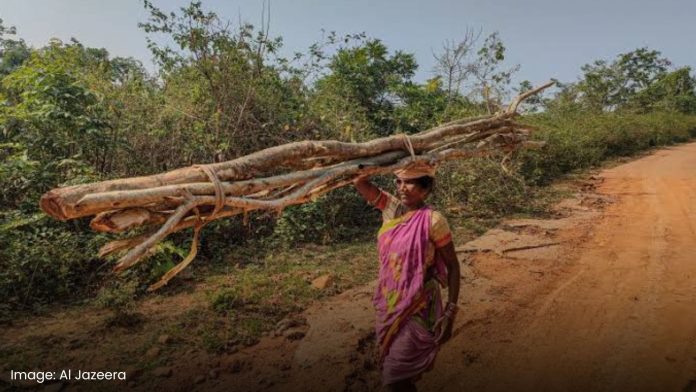
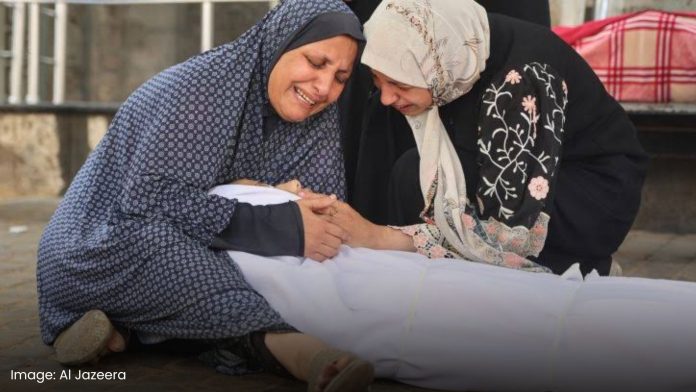
Human rights organizations including Human Rights Watch, Amnesty International, ALQST, and UN experts have all raised serious concerns about forced displacements, arrests, alleged labor abuses, wage theft, unsafe working conditions, heat exposure, and uninvestigated worker deaths linked to NEOM and broader Vision 2030 construction. An ITV documentary drew global attention after reporting thousands of migrant worker deaths across Vision 2030-era projects. Workers described themselves as “trapped slaves” and “beggars.”

The Huwaitat tribe, which had lived in the region for generations, became central to the controversy. Members who refused eviction faced arrest, lengthy prison sentences, travel bans, and in at least one documented case, death. The contradiction became impossible to ignore: while the world admired futuristic renderings, communities were reportedly losing their homes, their freedom, and their lives in the desert where the future was being built.

Saudi Arabia’s Quiet Pivot

Saudi Arabia is not abandoning Vision 2030. It is changing what Vision 2030 means.

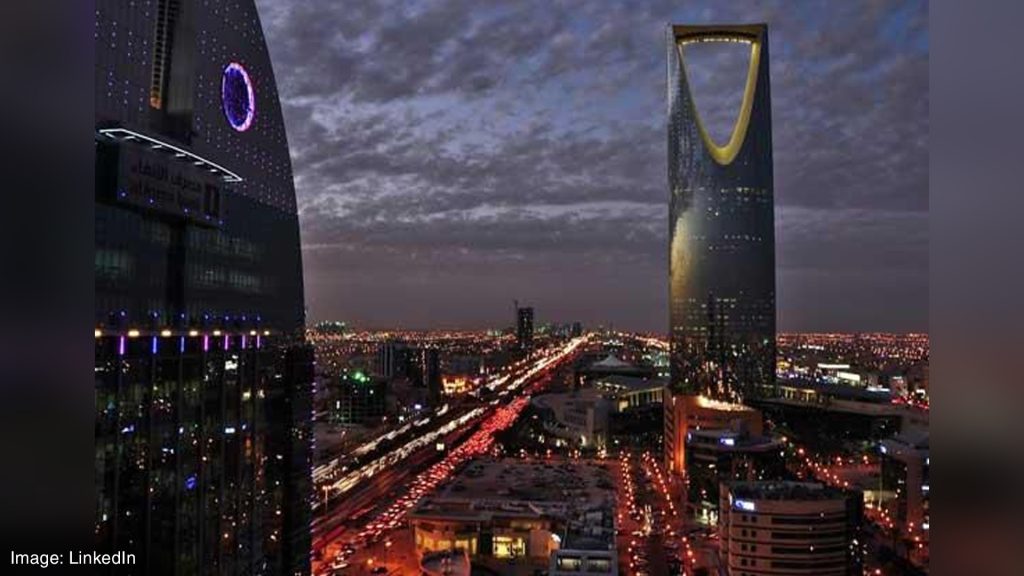
Investment is shifting from symbolic megaprojects toward sectors built for a post-oil world. In March 2026, PIF signed a $2.7 billion contract with Hexagon for a 480-megawatt AI compute facility in Riyadh, the largest single AI infrastructure deal in Gulf history. A separate $5 billion data centre partnership with DataVolt is underway at Oxagon. Microsoft’s Saudi cloud region launches in Q4 2026. The kingdom is targeting 100 gigawatts of AI compute capacity and aggressively positioning itself as an AI infrastructure hub connecting Asia, Africa, and Europe. Mining, logistics, and minerals critical for electric vehicles and AI chips are also now priority sectors.

The real future of Vision 2030 may not be flying taxis or mirrored cities. It may be servers, mineral corridors, and the infrastructure of a world preparing to move beyond oil.

The Bigger Meaning

The story of NEOM is no longer simply about whether a futuristic city succeeds or fails.

It has become something much larger: the limits of oil wealth, the cost of state-driven megaprojects, the collision between futuristic branding and economic reality, and the question of who pays when ambition outpaces resources.

Saudi Arabia still possesses enormous wealth, geopolitical importance, and long-term strategic power. But the NEOM story increasingly suggests that even some of the world’s richest states may now be discovering that building the future is far more complicated than selling it.

By Shizza Farooqui

Sources

Reuters, Semafor, Financial Times, Wall Street Journal, Bloomberg, Human Rights Watch, Amnesty International, OHCHR, ALQST, ITV, House of Saud, Gulf International Forum, AGBI, Middle East Insider, Fitch Ratings

Inside The Cracks Emerging Beneath Saudi Arabia’s NEOM Dream

For years, Saudi Arabia presented NEOM as the future of human civilization.

A 170-kilometre mirrored megacity called The Line. Flying taxis. Artificial moons. Robot workers. A desert transformed into a futuristic utopia designed to redefine how humanity lives. The project became the centrepiece of Crown Prince Mohammed bin Salman’s Vision 2030 plan to move Saudi Arabia beyond oil and reposition the kingdom as a global technology and innovation power.

The original promise: 9 million residents inside The Line alone by 2030. The current reality: a population target of 100,000 across the entire NEOM zone. Between those two numbers sits $50 billion in spending, 2.4 kilometres of foundation work, and a desert that is mostly still empty.

In 2026, the story surrounding NEOM is beginning to change dramatically.

The Economic Reality Behind The Dream

Saudi Arabia’s financial pressure is now becoming impossible to ignore.

The kingdom needs oil prices around $90 per barrel to balance its budget. Brent crude has spent much of the past year trading in the $60 to $70 range. Aramco cut its dividend by 30% in 2025, dropping from $124 billion to $85 billion. Since PIF holds a 16% stake in Aramco, that single cut cost the sovereign wealth fund at least $6 billion in income. Public debt rose from 1.22 trillion to 1.52 trillion riyals in a single year. The 2025 fiscal deficit hit 5.3% of GDP, nearly double what was originally projected.

Construction contracts awarded nationally collapsed from $71 billion in 2024 to below $30 billion in 2025. NEOM was not mentioned once in the 2026 national budget statement. For a project sold to the world as the future of civilization, its absence from the budget speaks louder than any official statement.

There is also a paradox buried inside the Iran war. When conflict pushed oil above $100 per barrel in early 2026, Saudi Arabia briefly generated daily fiscal surpluses. Now, as ceasefire talks progress and the Strait of Hormuz edges toward reopening, oil prices face renewed downward pressure. For Riyadh, peace may prove more financially painful than the conflict itself.

The Projects That Quietly Began Disappearing

Semafor reported in May 2026 that major work on The Line had been pushed beyond 2030. Italian firm Webuild confirmed the termination of a $1.16 billion high-speed rail contract, with 20% of the work already complete. Hyundai’s $1 billion tunnel contract was cancelled in March. Eversendai confirmed the termination of structural steel work at the Trojena ski village. The 2029 Asian Winter Games, once expected at Trojena, were handed to Kazakhstan. Total cancelled contract backlog in 2026 exceeds $8.45 billion. PIF recorded an $8 billion write-down across its giga-project portfolio.

At a Future Investment Initiative summit Saudi Arabia built to project sovereign strength and equal partnership with Washington, President Trump publicly declared that MBS was “kissing my ass.” The humiliation was delivered on the kingdom’s own stage, in front of its own guests.

The Human Story Behind The Renderings

The strongest emotional layer inside the NEOM story may not be economic at all.

Human rights organizations including Human Rights Watch, Amnesty International, ALQST, and UN experts have all raised serious concerns about forced displacements, arrests, alleged labor abuses, wage theft, unsafe working conditions, heat exposure, and uninvestigated worker deaths linked to NEOM and broader Vision 2030 construction. An ITV documentary drew global attention after reporting thousands of migrant worker deaths across Vision 2030-era projects. Workers described themselves as “trapped slaves” and “beggars.”

The Huwaitat tribe, which had lived in the region for generations, became central to the controversy. Members who refused eviction faced arrest, lengthy prison sentences, travel bans, and in at least one documented case, death. The contradiction became impossible to ignore: while the world admired futuristic renderings, communities were reportedly losing their homes, their freedom, and their lives in the desert where the future was being built.

Saudi Arabia’s Quiet Pivot

Saudi Arabia is not abandoning Vision 2030. It is changing what Vision 2030 means.

Investment is shifting from symbolic megaprojects toward sectors built for a post-oil world. In March 2026, PIF signed a $2.7 billion contract with Hexagon for a 480-megawatt AI compute facility in Riyadh, the largest single AI infrastructure deal in Gulf history. A separate $5 billion data centre partnership with DataVolt is underway at Oxagon. Microsoft’s Saudi cloud region launches in Q4 2026. The kingdom is targeting 100 gigawatts of AI compute capacity and aggressively positioning itself as an AI infrastructure hub connecting Asia, Africa, and Europe. Mining, logistics, and minerals critical for electric vehicles and AI chips are also now priority sectors.

The real future of Vision 2030 may not be flying taxis or mirrored cities. It may be servers, mineral corridors, and the infrastructure of a world preparing to move beyond oil.

The Bigger Meaning

The story of NEOM is no longer simply about whether a futuristic city succeeds or fails.

It has become something much larger: the limits of oil wealth, the cost of state-driven megaprojects, the collision between futuristic branding and economic reality, and the question of who pays when ambition outpaces resources.

Saudi Arabia still possesses enormous wealth, geopolitical importance, and long-term strategic power. But the NEOM story increasingly suggests that even some of the world’s richest states may now be discovering that building the future is far more complicated than selling it.

By Shizza Farooqui

Sources

Reuters, Semafor, Financial Times, Wall Street Journal, Bloomberg, Human Rights Watch, Amnesty International, OHCHR, ALQST, ITV, House of Saud, Gulf International Forum, AGBI, Middle East Insider, Fitch Ratings
spot_img

Explore more

spot_img
Science & Technology

AI Just Destroyed College Degrees

10,000 People Paid To Hear Their Pets

Trump’s Iran Deal: Three Men Can Stop It

6,000 Died in 3 Days. Sudan’s UAE Mercenary Story Is Darker...

The Draft Crisis That Could End Netanyahu

Three Ceasefires. Three Active Wars.

Gaza’s Mass Graves: Children Found Bound And Buried

26 People Down In Tokyo. Nobody Knows Why.