Pioneers of Bashan: The Biblical Claim Behind a Crime That Goes Unpunished
Maryam Tariq
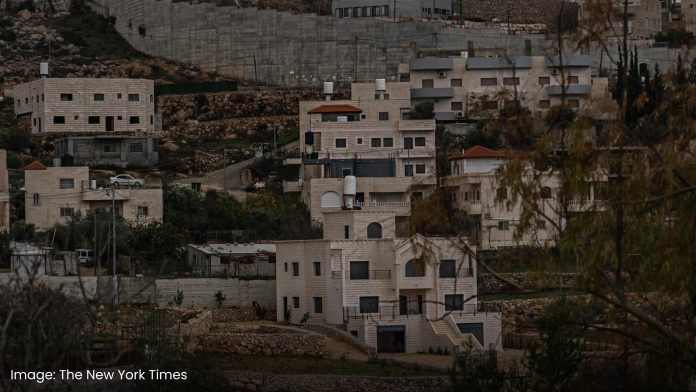
Crossing into Syria without authorisation is, on paper, a serious criminal offence under Israeli law, one that carries a sentence of up to four years in prison. Since April 2025, a settler group calling itself Pioneers of Bashan has crossed that border repeatedly, cutting through fences, laying foundations, and raising flags on Syrian soil. Each time, Israeli soldiers detain them and transfer them to police. Each time, the activists are released without charges. The gap between what the law says and what actually happens has a lot to do with the story the group tells about why they are there in the first place.
The Religious Case for Crossing Into Syria
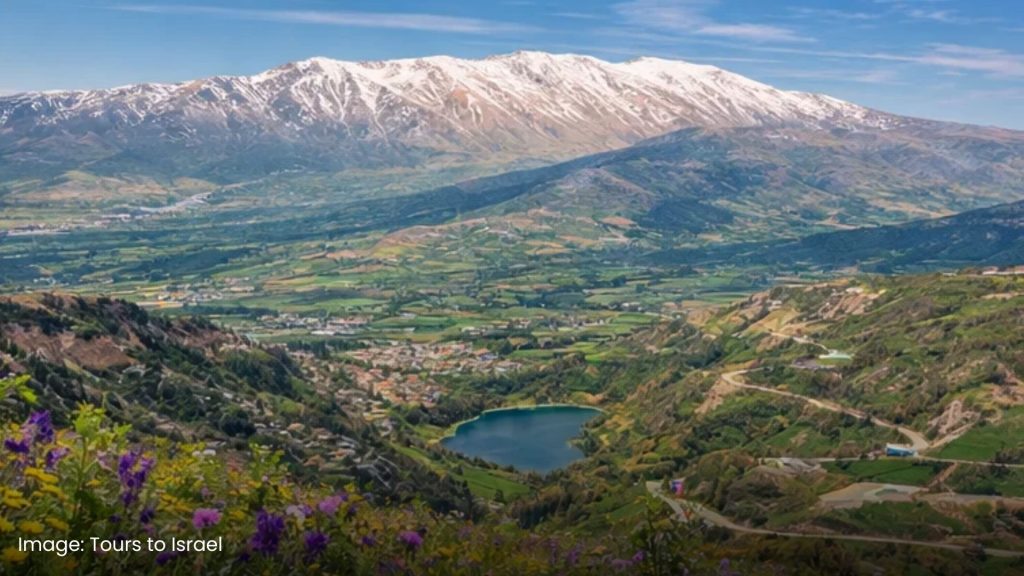
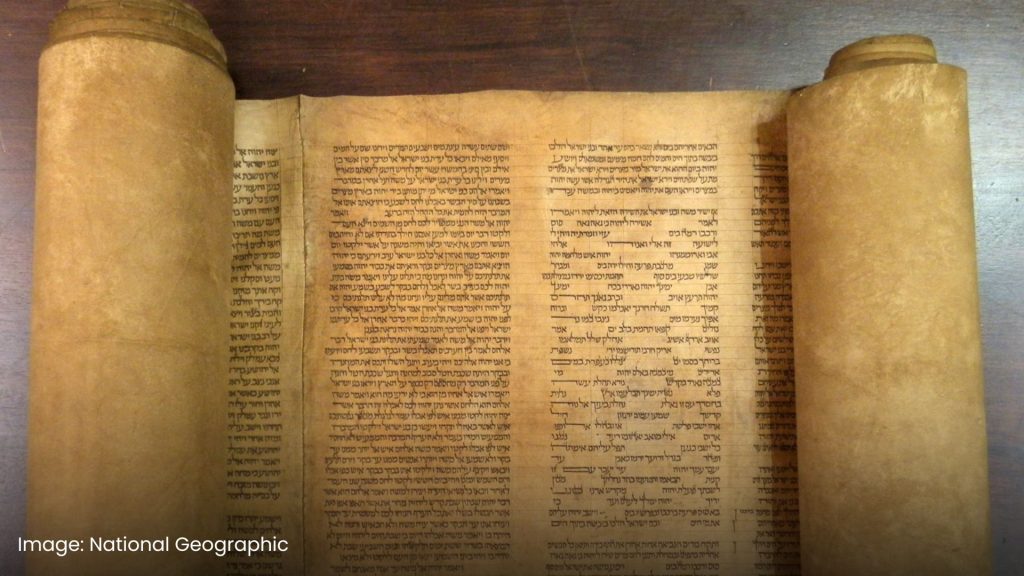
The movement, known in Hebrew as Halutzei HaBashan, takes its name from Bashan, a term used in the Torah roughly sixty times to describe a fertile region associated with divine abundance, especially in the Psalms. According to the group’s account, historical Bashan stretched from Mount Hermon in the north to Gilead east of the Jordan River, covering much of what is now southern Syria. Its founder, Professor Amos Azaria, has told Israeli media that the area was conquered by the Prophet Moses and belongs to the Land of Israel by ancestral right. In his framing, settling there is not a political choice but a restoration of something already owed. That religious language matters, because it reframes an act the law treats as criminal into something the group’s followers understand as sacred obligation, a distinction that appears to be shaping how leniently the state responds.
A Repeated Pattern With No Legal Consequences
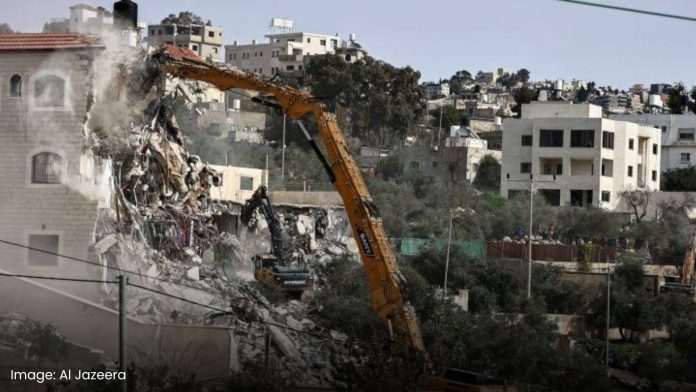
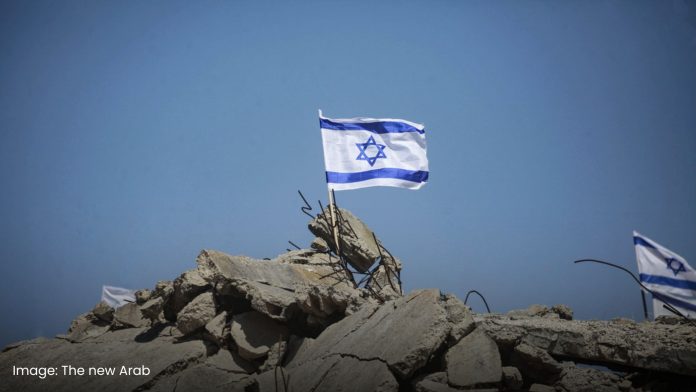
The group’s first documented crossing came in August 2025, when around nine families breached the fence near Bariqa and laid the foundation for a settlement they called Neve HaBashan. In November, activists split into two teams, cut through fencing with electric saws, and drove off road vehicles deep into Syrian territory near Beer Ajam. In April 2026, roughly forty members entered the village of Hader on the slopes of Mount Hermon, occupied part of a building, and raised Israeli flags. The May incident near Majdal Shams, where some activists chained themselves to the barrier while at least ten crossed through, follows the same pattern. In every case, Israeli forces intervened and returned the group to Israeli territory. In no case has anyone been prosecuted.
Why the Enforcement Gap Is the Real Story
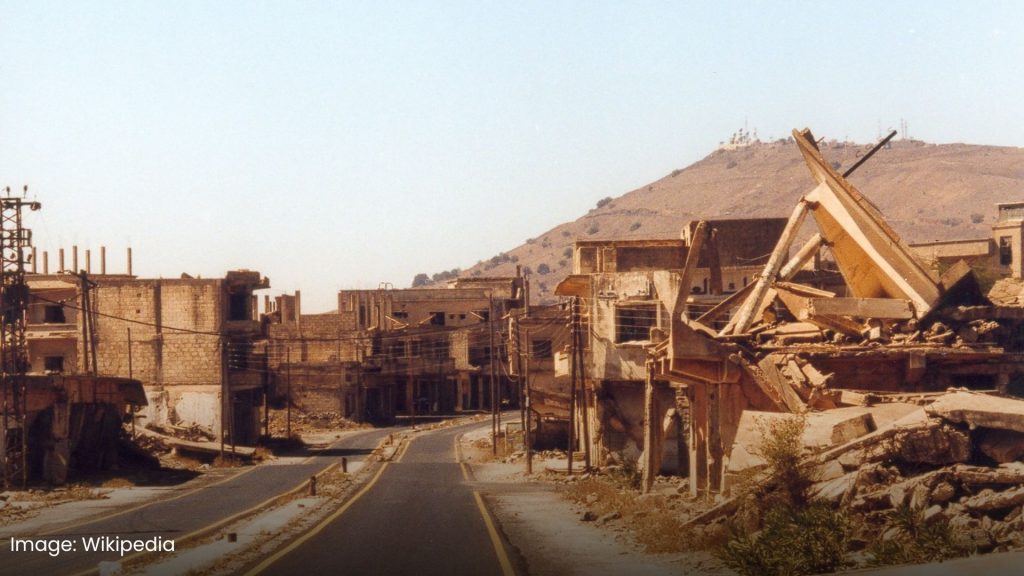
Legal experts note that this pattern is difficult to reconcile with how the law is written. Israeli police have publicly described crossing into Syria as a serious offence that endangers both soldiers and civilians. Yet the consistent absence of charges, across at least half a dozen incidents over more than a year, suggests the law is functioning more as a formality than a deterrent. International law adds another layer to this. Areas of southern Syria that came under Israeli military control after the fall of the Assad government in December 2024 are considered occupied territory, and the Fourth Geneva Convention explicitly prohibits establishing civilian settlements there. A state is generally expected not just to avoid transferring its own population into occupied land, but to actively prevent groups from doing so unofficially. Repeated incursions met with detention but never prosecution sit uneasily with that obligation.
Ideology Outrunning the Law
What ties both threads together is that the group’s religious framing appears to be doing work the legal system is not. By presenting each crossing as a act of return rather than trespass, invoking Moses, the Torah, and a claimed multi thousand year connection to the land, the movement has built a narrative that makes prosecution politically costly, even where the legal basis for it exists. As Israeli forces continue operating deep inside southern Syria following Assad’s collapse, and as this settler movement keeps repeating the same tactics without consequence, the pattern points to a simple conclusion, a law without enforcement functions less like a boundary and more like an invitation, and religious justification is helping keep it that way.
Sources:
· Bashan Pioneers: Israelis Falsify Geography and Distort History to Occupy Syria — Noon Post: https://english.noonpost.com/p/bashan-pioneers-israelis-falsify
· Syria after Assad: How Israeli settlers are trying to establish new facts on the ground — Middle East Eye: https://www.middleeasteye.net/opinion/syria-after-assad-how-israeli-settlers-are-trying-establish-new-facts-ground
· Expel the Sunni and Shia: Settler project for Greater Israel sets its sights on Syria — Middle East Eye: https://www.middleeasteye.net/news/israeli-settler-movement-pushing-greater-israel-southern-syria
· Israeli Settler Activists Who Crossed Into Syria to Establish Outpost Intercepted by IDF — Haaretz: https://www.haaretz.com/israel-news/2025-11-27/ty-article/.premium/israeli-settler-activists-who-crossed-into-syria-to-establish-outpost-intercepted-by-idf/0000019a-c67a-db2f-afdf-f67acb790000
· Israel settlers attempt to cross into Syria to set up settlement — The New Arab: https://www.newarab.com/news/israel-settlers-attempt-cross-syria-set-settlement
· Halutzei HaBashan Enter Buffer Zone in Southern Syria Once Again — The Syrian Observer: https://syrianobserver.com/foreign-actors/halutzei-habashan-enter-buffer-zone-in-southern-syria-once-again.html