Two US Service Members Killed in Jordan as Iran Suspends Its Ceasefire Deal With Washington

Two US Service Members Killed in Jordan as Iran Suspends Ceasefire Deal With Washington

Maryam Tariq

Two American service members were killed and a third remains missing after Iran launched a ballistic missile and drone attack on a US base in Jordan, marking the first US combat deaths from Iranian fire since March and pushing the American death toll in this war to 16. The attack has triggered a fresh wave of retaliatory strikes and pushed Iran to formally suspend its ceasefire commitments with the United States, unraveling a deal signed barely a month ago.
What Happened at the Base in Jordan

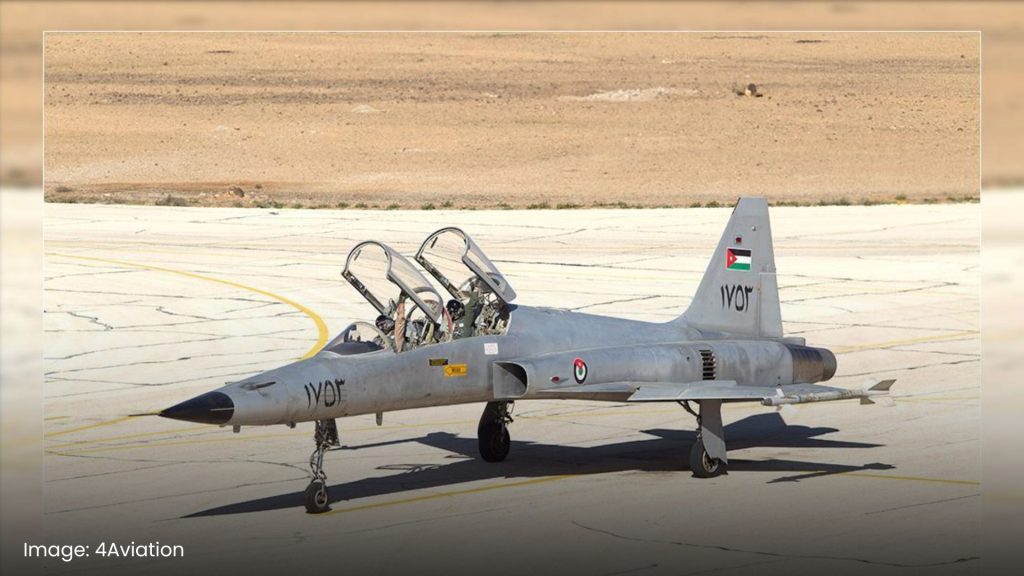
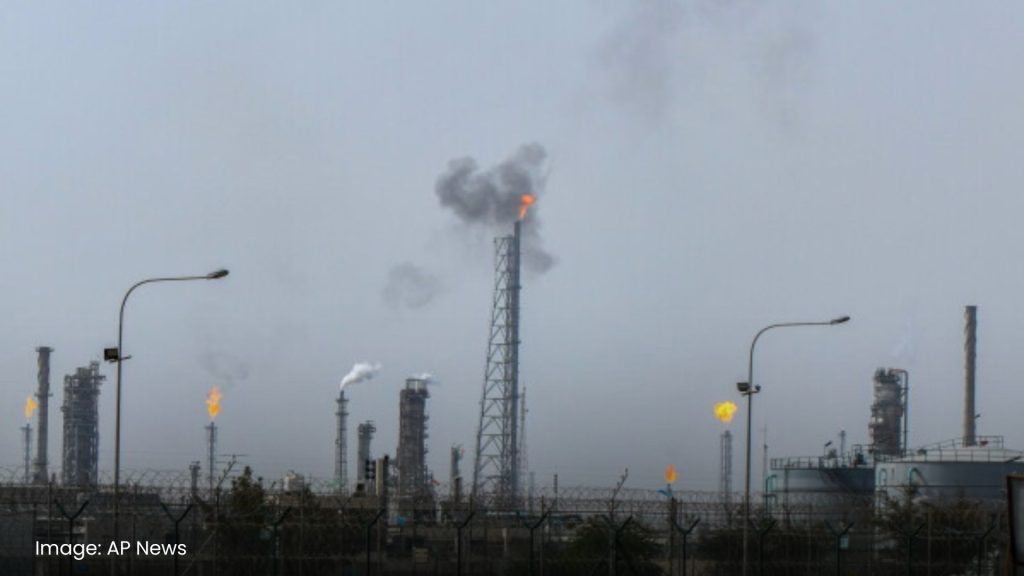
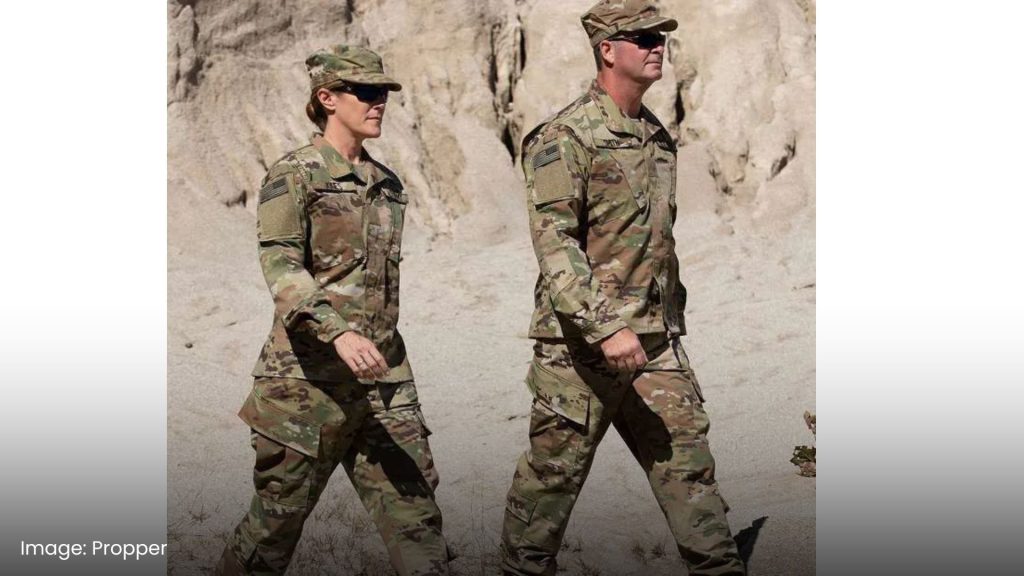
US Central Command said the two service members were killed in action as American and partner forces defended against the Iranian strike, with four additional troops medically evacuated to hospitals in Jordan before being discharged. Iran’s Islamic Revolutionary Guard Corps claimed responsibility for the attack, saying it targeted a base in Al Azraq, Jordan, and claiming it completely destroyed several aircraft using a combination of missiles and drones. Jordan’s air defenses also intercepted additional incoming fire during the same wave of attacks. According to two US officials, this marked the fourth Iranian missile attack to hit American forces stationed in Jordan over the past week alone, with dozens of troops wounded and several helicopters destroyed across those incidents.

The US Retaliation

Hours after the attack, US Central Command began a new round of airstrikes against Iran, its seventh consecutive night of strikes in the current escalation. Officials said the strikes hit surveillance sites, military logistics infrastructure, underground weapons storage, and maritime capabilities, describing the operation as designed to swiftly punish the Revolutionary Guard forces behind the Jordan attack and further degrade Iran’s ability to threaten commercial shipping through the Strait of Hormuz.

Iran Strikes Back at Gulf Allies

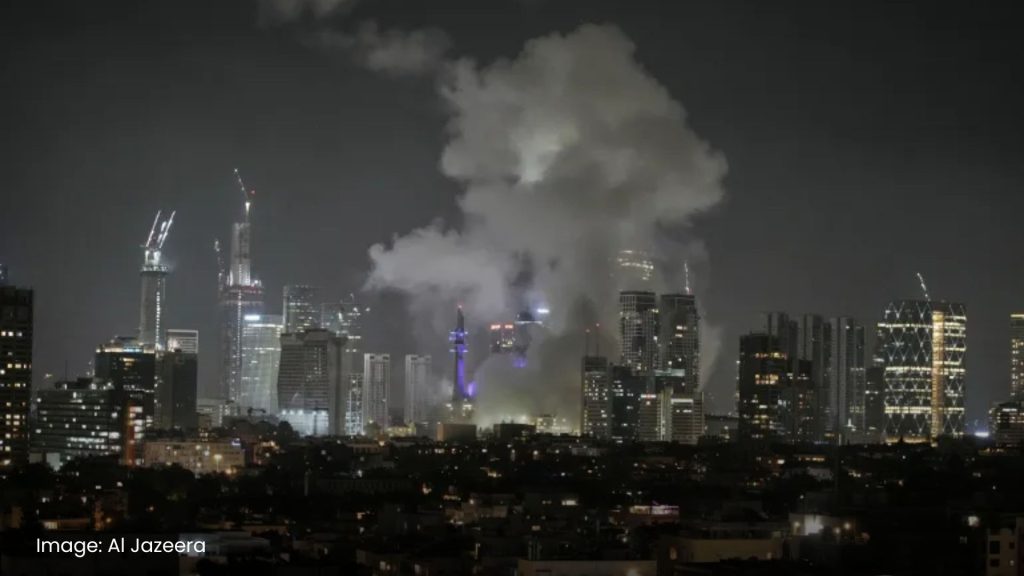
Iran’s retaliation extended beyond direct exchanges with the US, hitting countries hosting American forces instead. Kuwait reported that Iranian strikes damaged two separate power and desalination plants, forcing several power generation units offline and sparking fires that injured Kuwaiti firefighters. Kuwait briefly closed its airspace and Kuwait Airways rescheduled most flights as a precaution. Air raid sirens also sounded repeatedly across Bahrain and Saudi Arabia, while Iraq reported shooting down drones over Irbil. A Middle East politics professor at the University of Cambridge told Al Jazeera that Iran appears to be using Kuwait specifically to demonstrate what it’s capable of doing to countries hosting American bases, without striking the US directly.

The Toll Inside Iran

The US strikes have also hit Iranian civilian infrastructure directly. A desalination plant near the village of Bonji in Hormozgan province was destroyed, cutting off water access for roughly 10,000 people across 20 villages during an active heat warning, with officials saying it could take up to a week to restore supply. Iran’s Health Ministry reported that US airstrikes have killed at least 50 people and wounded more than 500 since July 6 alone.

Why the Ceasefire Just Collapsed

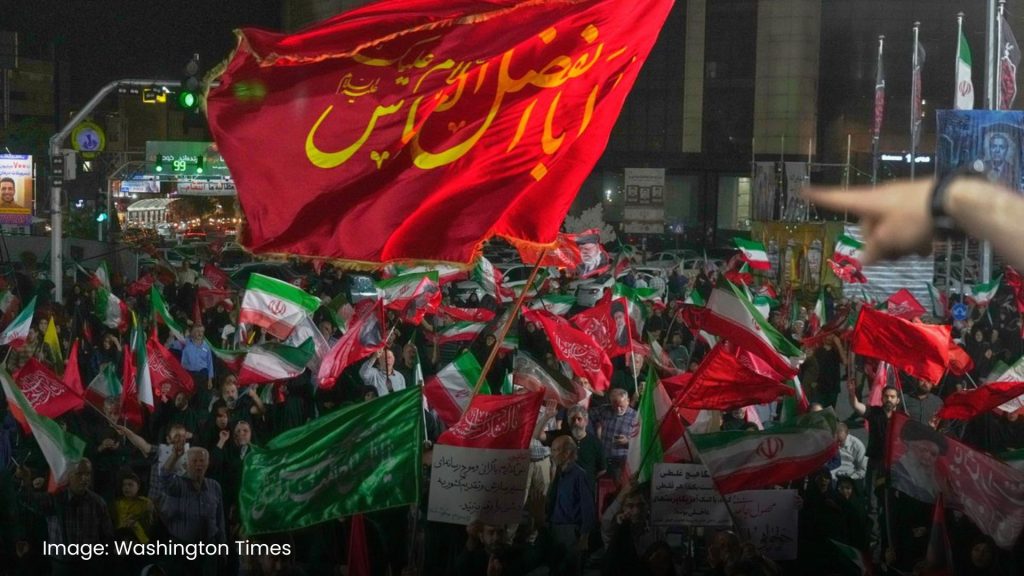
Iran’s Deputy Foreign Minister, Kazem Gharibabadi, announced Saturday that Iran is suspending its commitments under the Islamabad memorandum of understanding signed with the US last month, accusing Washington of violating the agreement first. We have stopped our commitments, we are not in the process of implementing them, and we are busy defending our country, Gharibabadi said. Iran’s ambassador to Pakistan separately accused the US of interpreting the memorandum in a way that let it seize control over parts of the Strait of Hormuz that it couldn’t gain through direct combat. Asked about Iran’s announcement, President Trump reportedly responded, I couldn’t care less.

Why This Matters Going Forward

The memorandum had been intended to halt fighting and guarantee free passage through the Strait of Hormuz, a waterway that normally carries around a fifth of the world’s oil and gas supply. With both countries now striking each other’s infrastructure and Gulf allies increasingly caught in the crossfire, the collapse of that agreement removes one of the few remaining frameworks that had been holding the wider regional conflict back from further escalation.

Sources:

·  2 US troops killed, 1 missing after Iranian missile, drone attack in Jordan — Military Times: https://www.militarytimes.com/flashpoints/2026/07/18/2-us-troops-killed-1-missing-after-iranian-missile-drone-attack-in-jordan/

·  US military says two service members killed in Iranian strike in Jordan — Al Jazeera: https://www.aljazeera.com/news/2026/7/18/us-military-says-two-service-members-killed-in-iranian-strike-in-jordan

·  Two US service members killed, one missing following Iranian strikes in Jordan — CNN: https://www.cnn.com/2026/07/18/politics/iran-war-us-service-members-killed-jordan

·  Iran suggests MoU suspended as 50 killed in US strikes in July — Al Jazeera: https://www.aljazeera.com/news/2026/7/18/iran-accuses-us-of-striking-critical-infrastructure-as-war-intensifies

Two US Service Members Killed in Jordan as Iran Suspends Ceasefire Deal With Washington

Maryam Tariq

Two American service members were killed and a third remains missing after Iran launched a ballistic missile and drone attack on a US base in Jordan, marking the first US combat deaths from Iranian fire since March and pushing the American death toll in this war to 16. The attack has triggered a fresh wave of retaliatory strikes and pushed Iran to formally suspend its ceasefire commitments with the United States, unraveling a deal signed barely a month ago.

What Happened at the Base in Jordan

US Central Command said the two service members were killed in action as American and partner forces defended against the Iranian strike, with four additional troops medically evacuated to hospitals in Jordan before being discharged. Iran’s Islamic Revolutionary Guard Corps claimed responsibility for the attack, saying it targeted a base in Al Azraq, Jordan, and claiming it completely destroyed several aircraft using a combination of missiles and drones. Jordan’s air defenses also intercepted additional incoming fire during the same wave of attacks. According to two US officials, this marked the fourth Iranian missile attack to hit American forces stationed in Jordan over the past week alone, with dozens of troops wounded and several helicopters destroyed across those incidents.

The US Retaliation

Hours after the attack, US Central Command began a new round of airstrikes against Iran, its seventh consecutive night of strikes in the current escalation. Officials said the strikes hit surveillance sites, military logistics infrastructure, underground weapons storage, and maritime capabilities, describing the operation as designed to swiftly punish the Revolutionary Guard forces behind the Jordan attack and further degrade Iran’s ability to threaten commercial shipping through the Strait of Hormuz.

Iran Strikes Back at Gulf Allies

Iran’s retaliation extended beyond direct exchanges with the US, hitting countries hosting American forces instead. Kuwait reported that Iranian strikes damaged two separate power and desalination plants, forcing several power generation units offline and sparking fires that injured Kuwaiti firefighters. Kuwait briefly closed its airspace and Kuwait Airways rescheduled most flights as a precaution. Air raid sirens also sounded repeatedly across Bahrain and Saudi Arabia, while Iraq reported shooting down drones over Irbil. A Middle East politics professor at the University of Cambridge told Al Jazeera that Iran appears to be using Kuwait specifically to demonstrate what it’s capable of doing to countries hosting American bases, without striking the US directly.
The Toll Inside Iran

The US strikes have also hit Iranian civilian infrastructure directly. A desalination plant near the village of Bonji in Hormozgan province was destroyed, cutting off water access for roughly 10,000 people across 20 villages during an active heat warning, with officials saying it could take up to a week to restore supply. Iran’s Health Ministry reported that US airstrikes have killed at least 50 people and wounded more than 500 since July 6 alone.

Why the Ceasefire Just Collapsed

Iran’s Deputy Foreign Minister, Kazem Gharibabadi, announced Saturday that Iran is suspending its commitments under the Islamabad memorandum of understanding signed with the US last month, accusing Washington of violating the agreement first. We have stopped our commitments, we are not in the process of implementing them, and we are busy defending our country, Gharibabadi said. Iran’s ambassador to Pakistan separately accused the US of interpreting the memorandum in a way that let it seize control over parts of the Strait of Hormuz that it couldn’t gain through direct combat. Asked about Iran’s announcement, President Trump reportedly responded, I couldn’t care less.
Why This Matters Going Forward

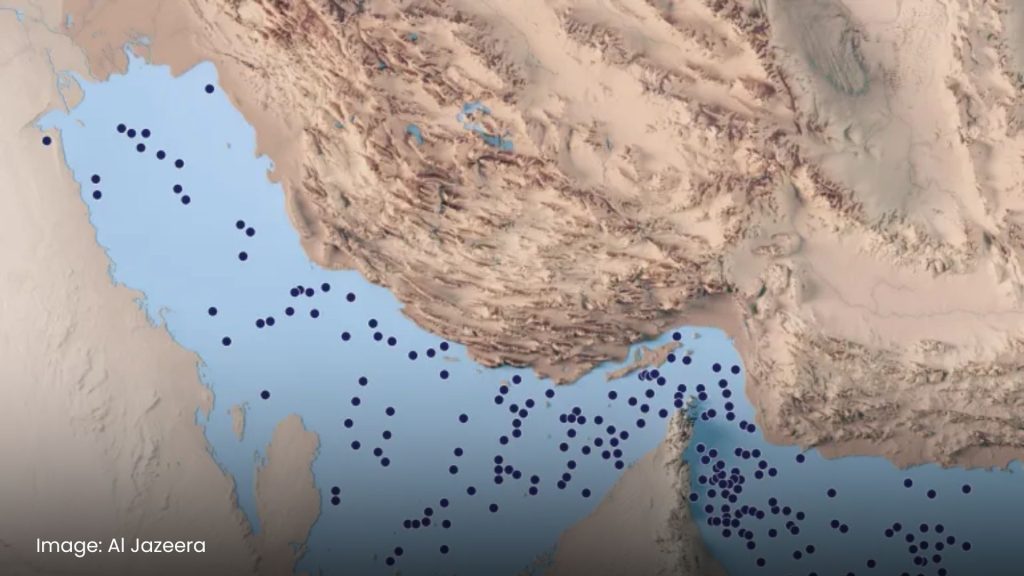
The memorandum had been intended to halt fighting and guarantee free passage through the Strait of Hormuz, a waterway that normally carries around a fifth of the world’s oil and gas supply. With both countries now striking each other’s infrastructure and Gulf allies increasingly caught in the crossfire, the collapse of that agreement removes one of the few remaining frameworks that had been holding the wider regional conflict back from further escalation.

Sources:

·  2 US troops killed, 1 missing after Iranian missile, drone attack in Jordan — Military Times: https://www.militarytimes.com/flashpoints/2026/07/18/2-us-troops-killed-1-missing-after-iranian-missile-drone-attack-in-jordan/

·  US military says two service members killed in Iranian strike in Jordan — Al Jazeera: https://www.aljazeera.com/news/2026/7/18/us-military-says-two-service-members-killed-in-iranian-strike-in-jordan

·  Two US service members killed, one missing following Iranian strikes in Jordan — CNN: https://www.cnn.com/2026/07/18/politics/iran-war-us-service-members-killed-jordan

·  Iran suggests MoU suspended as 50 killed in US strikes in July — Al Jazeera: https://www.aljazeera.com/news/2026/7/18/iran-accuses-us-of-striking-critical-infrastructure-as-war-intensifies

spot_img

Explore more

spot_img
Opinions

The Real Test of “Economic D-Day” on Iran Isn’t Iran, It’s...

IDF Finally Admits It Fired on Hind Rajab’s Car. Why Now,...

Trump Administration Is Making Haitians Choose Between an Ankle Monitor and...

Why Argentina, Not Israel, Is Leading the Push for New Allies...

Three West Bank Villages Hit at Once, Israel’s Own Ally Calls...

Al-Aqsa Incursions Are Getting Bigger and More Frequent Through 2026

West Bank Violence Is Surging as Israel Heads Toward October Elections