Mali wants its gold and lithium back. Is that why Trump wants an eighth war?

Counterterrorism Or Competition? Why Is The United States Looking At Mali Now?

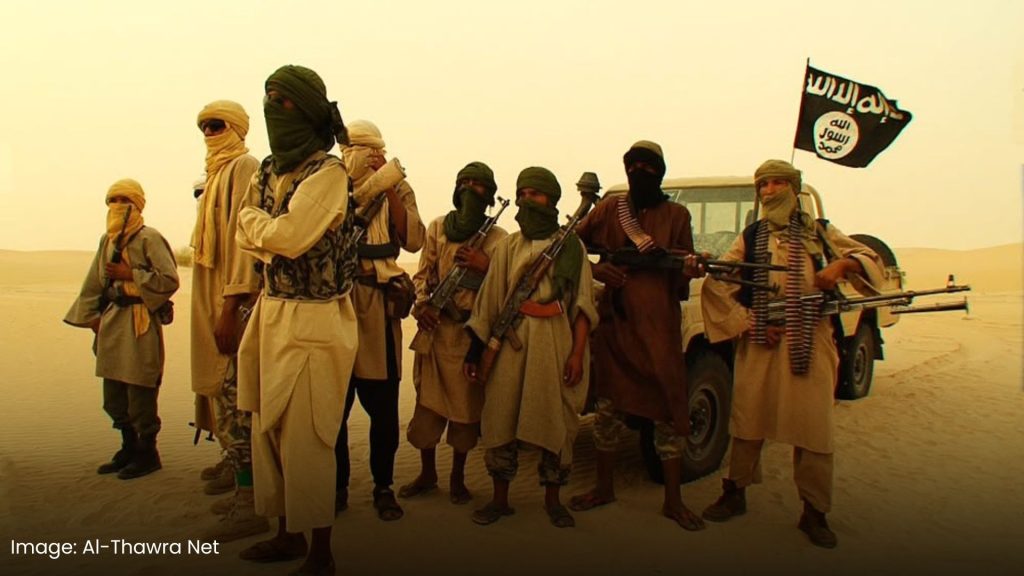
The Trump administration is reportedly weighing drone strikes against Jama’at Nusrat al-Islam wal-Muslimin (JNIM), an al-Qaeda affiliate that has become one of the most powerful jihadist groups in Africa. According to officials cited by the Washington Post, no final decision has been made, but military options are actively being discussed. If approved, Mali would become the eighth country where Trump has ordered military strikes since taking office, a notable reversal for a president who campaigned on ending endless wars.

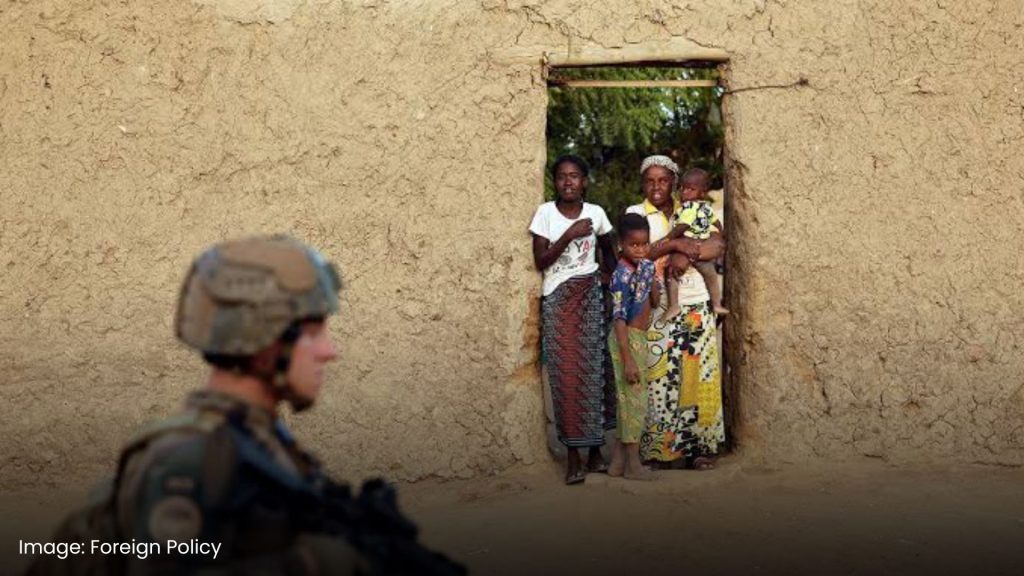
The official explanation is straightforward: JNIM has grown into a serious regional threat, carrying out increasingly sophisticated attacks across Mali and the wider Sahel, overrunning military bases, ambushing convoys and expanding into neighbouring Burkina Faso and Niger. By any objective measure, JNIM represents a genuine security challenge, and counterterrorism alone provides a plausible reason for Washington to consider military action. But it does not automatically explain why now.

That question becomes more interesting once you look past the battlefield. Mali has spent the past several years fundamentally reshaping who controls its natural resources. Through a new mining code, the government has increased state ownership, raised taxes and demanded a larger share of mining revenues, and a sweeping audit recovered $1.2 billion in arrears from mining companies that officials say Mali was owed all along.
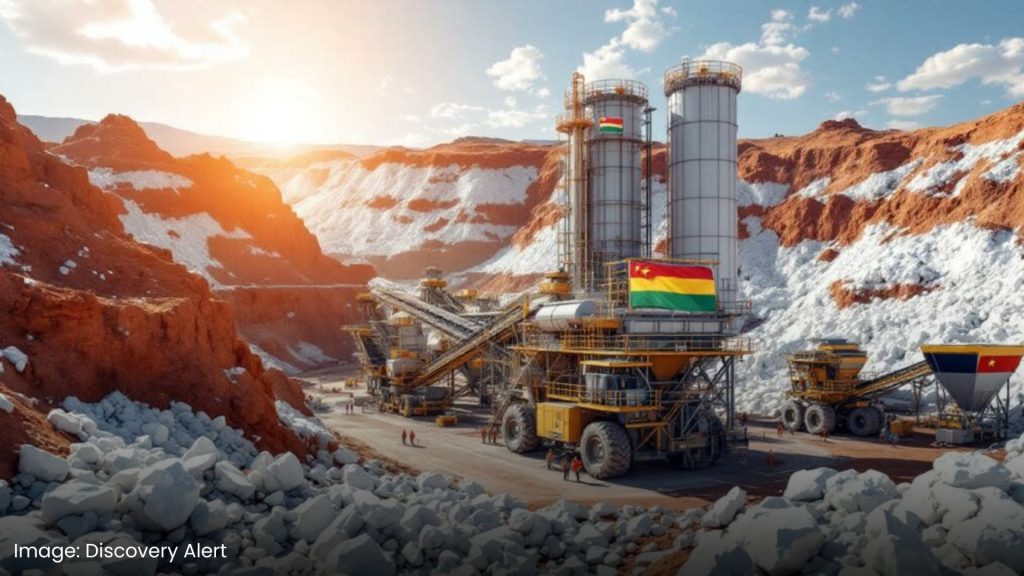
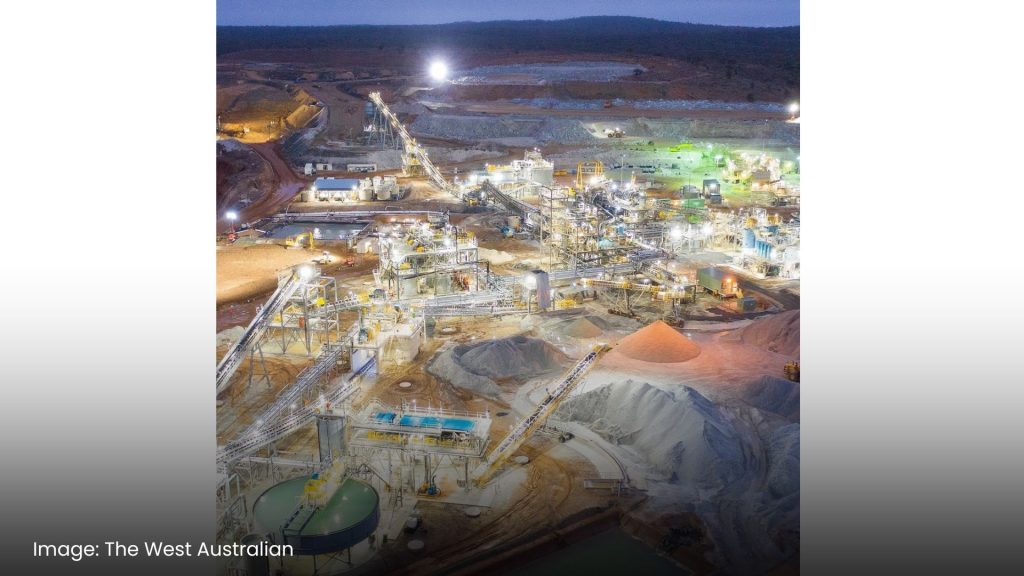
At the same time, another resource has become increasingly important. Mali is emerging as a major lithium producer, a mineral essential for electric vehicle batteries and advanced technology. The Goulamina Lithium Project, one of Africa’s largest hard-rock lithium deposits, is now operated through a major investment from China’s Ganfeng Lithium, placing Mali inside the global race for critical minerals.

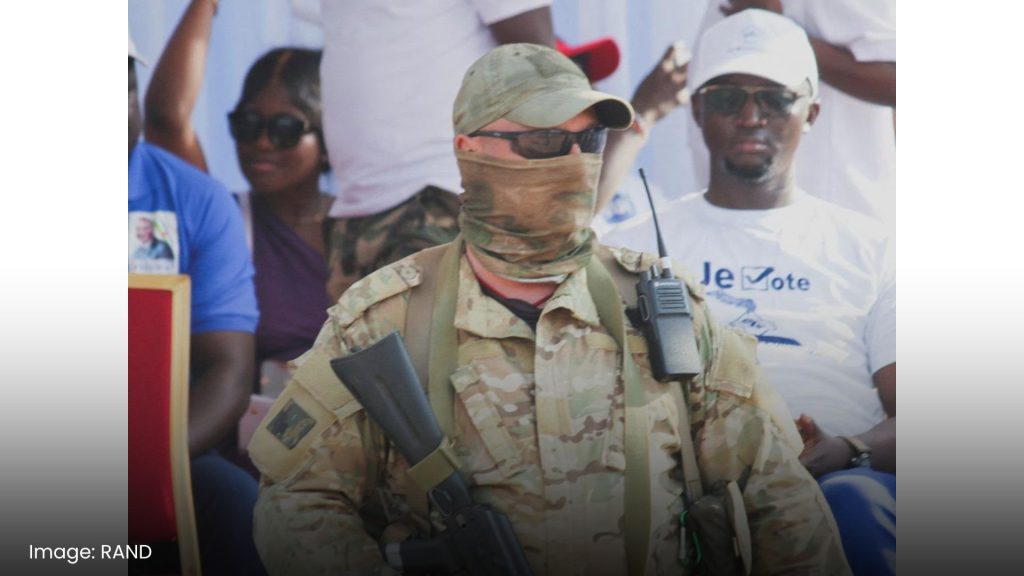
Resources alone don’t explain the full geopolitical picture either. Since French forces withdrew, Mali has steadily moved closer to Russia. Moscow’s Africa Corps now supports the country’s military government, while Russia has expanded cooperation in geological exploration, energy, refining and mining, a partnership that reaches well beyond security into the sectors that will shape Mali’s economic future.

For Washington, Mali therefore represents far more than a counterterrorism challenge. The US has separately been working to rebuild an intelligence-sharing relationship with Bamako after years of frozen ties, following an earlier decision to lift sanctions on senior Malian officials. A renewed American military presence could restore intelligence and surveillance access across the Sahel, improve monitoring of extremist groups, strengthen America’s position against Russia, and place Washington closer to the mineral corridors becoming central to global supply chains.

None of that proves these objectives are driving the proposed operation. Military interventions often pursue multiple goals at once, and a counterterrorism mission can also serve diplomatic, intelligence, and strategic ends without any one of those being the hidden “real” reason. There is currently no public evidence that the United States intends to intervene in Mali to seize its gold or lithium, and no verified evidence the strikes are designed to weaken Russian or Chinese economic influence. Those remain plausible strategic considerations, not established facts.

What is established is that several major developments have converged at the same moment. JNIM has become significantly stronger. Mali has demanded greater control over its own mineral wealth and recovered over a billion dollars it says it was owed. Russia has become the country’s principal security partner. China has secured major lithium investments. And Washington has quietly been working to rebuild intelligence cooperation in the region. Whether those developments are connected through coincidence, strategy, or some combination of both remains unanswered.

For now, the official explanation is counterterrorism. The larger question is whether defeating JNIM is the only objective, or whether Mali’s growing strategic importance has made it a country Washington can no longer afford to ignore.

SOURCES

Washington Post – Trump administration weighs military options in Mali

Washington Post – JNIM militants West Africa Sahel

Reuters – US nears deal to resume intelligence operations in Mali

Reuters – US lifts sanctions on top Malian officials

Reuters – Mali’s gold output plan

Reuters – Mali signs agreement with China’s Ganfeng to operate Goulamina lithium mine

Reuters – Russia calls for rapid restoration of peace in Mali

Reuters via MarketScreener – Mali gold output plunges 23%, $1.2B arrears recovered

US Trade.gov – Mali mining country commercial guide

AP News – Trump Mali military options

Counterterrorism Or Competition? Why Is The United States Looking At Mali Now?

The Trump administration is reportedly weighing drone strikes against Jama’at Nusrat al-Islam wal-Muslimin (JNIM), an al-Qaeda affiliate that has become one of the most powerful jihadist groups in Africa. According to officials cited by the Washington Post, no final decision has been made, but military options are actively being discussed. If approved, Mali would become the eighth country where Trump has ordered military strikes since taking office, a notable reversal for a president who campaigned on ending endless wars.

The official explanation is straightforward: JNIM has grown into a serious regional threat, carrying out increasingly sophisticated attacks across Mali and the wider Sahel, overrunning military bases, ambushing convoys and expanding into neighbouring Burkina Faso and Niger. By any objective measure, JNIM represents a genuine security challenge, and counterterrorism alone provides a plausible reason for Washington to consider military action. But it does not automatically explain why now.

That question becomes more interesting once you look past the battlefield. Mali has spent the past several years fundamentally reshaping who controls its natural resources. Through a new mining code, the government has increased state ownership, raised taxes and demanded a larger share of mining revenues, and a sweeping audit recovered $1.2 billion in arrears from mining companies that officials say Mali was owed all along.
At the same time, another resource has become increasingly important. Mali is emerging as a major lithium producer, a mineral essential for electric vehicle batteries and advanced technology. The Goulamina Lithium Project, one of Africa’s largest hard-rock lithium deposits, is now operated through a major investment from China’s Ganfeng Lithium, placing Mali inside the global race for critical minerals.

Resources alone don’t explain the full geopolitical picture either. Since French forces withdrew, Mali has steadily moved closer to Russia. Moscow’s Africa Corps now supports the country’s military government, while Russia has expanded cooperation in geological exploration, energy, refining and mining, a partnership that reaches well beyond security into the sectors that will shape Mali’s economic future.

For Washington, Mali therefore represents far more than a counterterrorism challenge. The US has separately been working to rebuild an intelligence-sharing relationship with Bamako after years of frozen ties, following an earlier decision to lift sanctions on senior Malian officials. A renewed American military presence could restore intelligence and surveillance access across the Sahel, improve monitoring of extremist groups, strengthen America’s position against Russia, and place Washington closer to the mineral corridors becoming central to global supply chains.
None of that proves these objectives are driving the proposed operation. Military interventions often pursue multiple goals at once, and a counterterrorism mission can also serve diplomatic, intelligence, and strategic ends without any one of those being the hidden “real” reason. There is currently no public evidence that the United States intends to intervene in Mali to seize its gold or lithium, and no verified evidence the strikes are designed to weaken Russian or Chinese economic influence. Those remain plausible strategic considerations, not established facts.

What is established is that several major developments have converged at the same moment. JNIM has become significantly stronger. Mali has demanded greater control over its own mineral wealth and recovered over a billion dollars it says it was owed. Russia has become the country’s principal security partner. China has secured major lithium investments. And Washington has quietly been working to rebuild intelligence cooperation in the region. Whether those developments are connected through coincidence, strategy, or some combination of both remains unanswered.
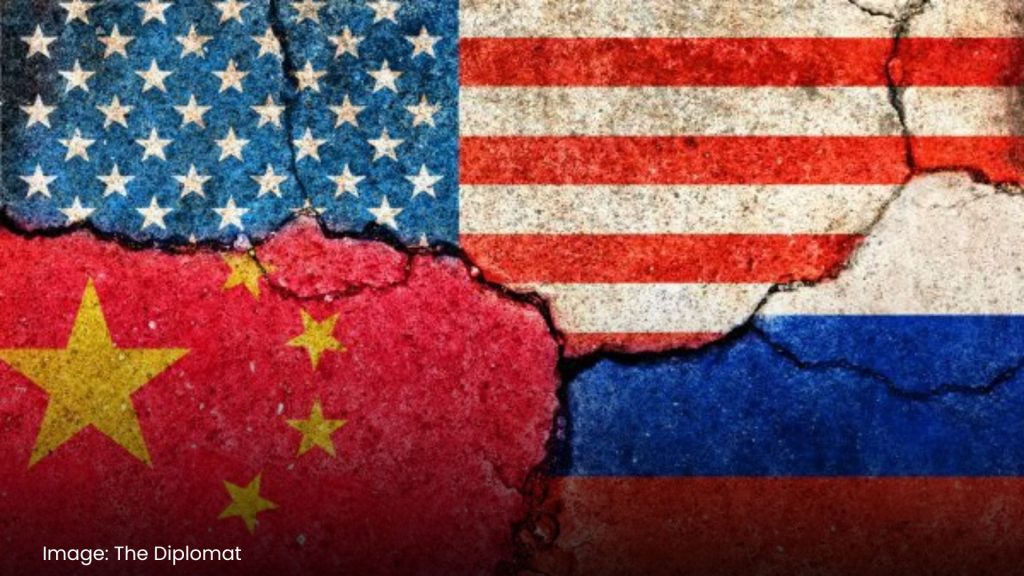
For now, the official explanation is counterterrorism. The larger question is whether defeating JNIM is the only objective, or whether Mali’s growing strategic importance has made it a country Washington can no longer afford to ignore.

SOURCES

Washington Post – Trump administration weighs military options in Mali

Washington Post – JNIM militants West Africa Sahel

Reuters – US nears deal to resume intelligence operations in Mali

Reuters – US lifts sanctions on top Malian officials

Reuters – Mali’s gold output plan

Reuters – Mali signs agreement with China’s Ganfeng to operate Goulamina lithium mine

Reuters – Russia calls for rapid restoration of peace in Mali

Reuters via MarketScreener – Mali gold output plunges 23%, $1.2B arrears recovered

US Trade.gov – Mali mining country commercial guide

AP News – Trump Mali military options

spot_img

Explore more

spot_img
Global Affairs

Commanders Allegedly Told US Troops Trump Was Anointed By Jesus For...

Five Historic Mosques Were Demolished To Widen A Road To Modi’s...

Trump wants more data centers. New York’s governor just said no.

The icc’s judges did not find misconduct. Why did 82 countries...

The Bulldozers Won: Assam’s BJP Returns With A Mandate To Evict...

Free On Paper, Exiled In Practice: India’s Cage Just Got Bigger

A ‘Humanitarian City’ Or A Permanent Cage? Trump’s Gaza Plan Is...