A Shooting Raises Fresh Fears of Anti-Muslim Violence

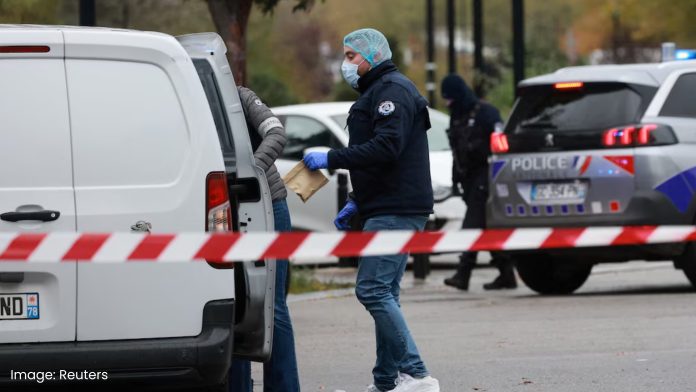
On October 23, 2026, a shooting in the western Paris suburbs of Trappes and La Verrière left one person de.ad and five others injured. The gunman reportedly fired from a vehicle at several locations, including a petrol station and a public area. Among the wounded was a 12-year-old girl who was seriously injured. Her mother suggested that her daughter may have been targeted because she was wearing a headscarf.
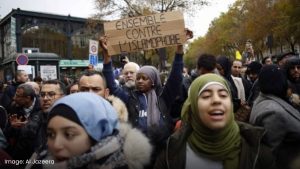
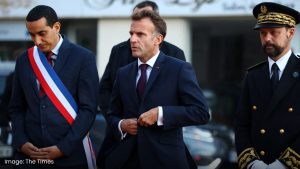
The incident has raised serious concerns about a possible Islamophobic motive. French President Emmanuel Macron described the shooting as a “racist terrorist atta.ck,” while Trappes Mayor Ali Rabeh called it a racist act that was probably Islamophobic. France’s National Anti-Terrorism Prosecutor’s Office took over the investigation, examining whether the killi.ngs and attempted kill.ings were connected to terrorism and motivated by the victims’ actual or perceived race, ethnicity, nationality or religion. The suspect was arrested, but the precise motive had not been conclusively established publicly at the time of reporting.

Why the possible Islamophobic motive matters

The reported circumstances have intensified fears among Muslim and other minority communities. If investigators establish that victims were selected because of their perceived identity, the case would represent more than an act of individual viole.nce: it would demonstrate how prejudice can become a direct threat to people’s physical safety.

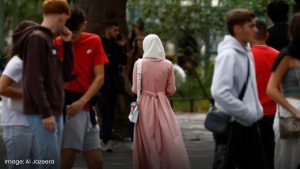
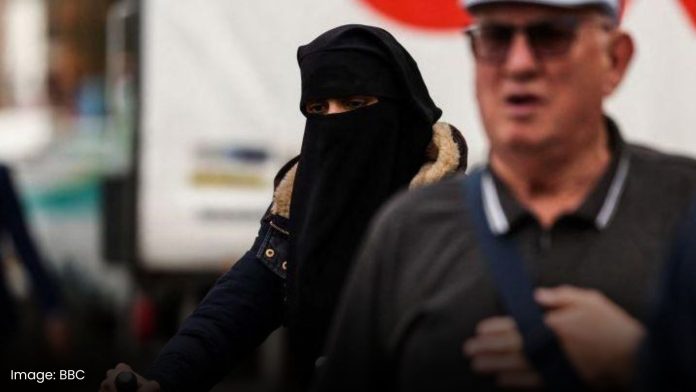
The allegation involving the young girl’s headscarf is particularly disturbing because religious clothing can make a person’s identity visible in public. A headscarf is a personal expression of faith for many Muslim women and girls. If it becomes a reason for someone to be singled out for viole.nce, the consequences extend beyond the immediate victim. Families may become fearful about allowing their children to travel independently, women may feel less safe in public spaces, and ordinary activities can become sources of anxiety.
The wider political climate

The shooting has also renewed debate about the relationship between political rhetoric and hostility towards minorities. Mayor Ali Rabeh warned against language that could ideologically encourage people capable of carrying out violence. Residents have expressed concerns about racism and anti-immigrant sentiment in the broader political environment.

Political disagreement over immigration, national identity and religion is not itself proof of responsibility for a violent crime. Nor can the suspect’s motives be inferred solely from the views expressed by politicians or sections of the media. Nevertheless, public discourse deserves scrutiny when it portrays entire communities as threats, treats religious identity as evidence of disloyalty, or normalises hostility towards people because of their background.

The distinction matters: criticism of a policy or debate about immigration is not automatically Islamophobic. But rhetoric that collectively blames Muslims or depicts them as inherently dangerous can contribute to an environment in which discrimination and intimidation become easier to justify.
Equality must mean safety

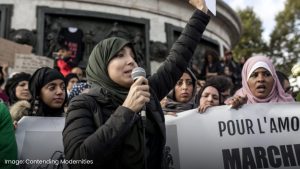
France has long debated the place of religion in public life, including restrictions on certain forms of religious dress and the meaning of laïcité, the country’s model of secularism. Those debates are distinct from the investigation into this shooting. Yet the incident raises a broader question about the practical meaning of equality: can people fully participate in public life if they fear being attacked because of their appearance, ancestry or perceived faith?

The answer cannot rest on political statements alone. It requires a thorough investigation, transparent communication about the evidence, appropriate prosecution if crimes are established, and consistent protection for everyone regardless of religious or ethnic background.

The death of one person and the injuries suffered by five others are already grave consequences. If the att.ack was motivated by racism or Islamophobia, it would also expose a deeper challenge: protecting people from viole.nce requires more than condemning hatred after it has become deadly. It requires confronting prejudice before it is translated into action.
 

On October 23, 2026, a shooting in the western Paris suburbs of Trappes and La Verrière left one person de.ad and five others injured. The gunman reportedly fired from a vehicle at several locations, including a petrol station and a public area. Among the wounded was a 12-year-old girl who was seriously injured. Her mother suggested that her daughter may have been targeted because she was wearing a headscarf.

The incident has raised serious concerns about a possible Islamophobic motive. French President Emmanuel Macron described the shooting as a “racist terrorist atta.ck,” while Trappes Mayor Ali Rabeh called it a racist act that was probably Islamophobic. France’s National Anti-Terrorism Prosecutor’s Office took over the investigation, examining whether the killi.ngs and attempted kill.ings were connected to terrorism and motivated by the victims’ actual or perceived race, ethnicity, nationality or religion. The suspect was arrested, but the precise motive had not been conclusively established publicly at the time of reporting.

Why the possible Islamophobic motive matters

The reported circumstances have intensified fears among Muslim and other minority communities. If investigators establish that victims were selected because of their perceived identity, the case would represent more than an act of individual viole.nce: it would demonstrate how prejudice can become a direct threat to people’s physical safety.

The allegation involving the young girl’s headscarf is particularly disturbing because religious clothing can make a person’s identity visible in public. A headscarf is a personal expression of faith for many Muslim women and girls. If it becomes a reason for someone to be singled out for viole.nce, the consequences extend beyond the immediate victim. Families may become fearful about allowing their children to travel independently, women may feel less safe in public spaces, and ordinary activities can become sources of anxiety.

The wider political climate

The shooting has also renewed debate about the relationship between political rhetoric and hostility towards minorities. Mayor Ali Rabeh warned against language that could ideologically encourage people capable of carrying out violence. Residents have expressed concerns about racism and anti-immigrant sentiment in the broader political environment.

Political disagreement over immigration, national identity and religion is not itself proof of responsibility for a violent crime. Nor can the suspect’s motives be inferred solely from the views expressed by politicians or sections of the media. Nevertheless, public discourse deserves scrutiny when it portrays entire communities as threats, treats religious identity as evidence of disloyalty, or normalises hostility towards people because of their background.

The distinction matters: criticism of a policy or debate about immigration is not automatically Islamophobic. But rhetoric that collectively blames Muslims or depicts them as inherently dangerous can contribute to an environment in which discrimination and intimidation become easier to justify.

Equality must mean safety

France has long debated the place of religion in public life, including restrictions on certain forms of religious dress and the meaning of laïcité, the country’s model of secularism. Those debates are distinct from the investigation into this shooting. Yet the incident raises a broader question about the practical meaning of equality: can people fully participate in public life if they fear being attacked because of their appearance, ancestry or perceived faith?

The answer cannot rest on political statements alone. It requires a thorough investigation, transparent communication about the evidence, appropriate prosecution if crimes are established, and consistent protection for everyone regardless of religious or ethnic background.

The death of one person and the injuries suffered by five others are already grave consequences. If the att.ack was motivated by racism or Islamophobia, it would also expose a deeper challenge: protecting people from viole.nce requires more than condemning hatred after it has become deadly. It requires confronting prejudice before it is translated into action.
 

spot_img

Explore more

spot_img
Global Affairs

You Can Wear What You Want, Unless It’s a Niqab!

They Risked Their Lives to Save Her: The Courage of Palestinians...

Netanyahu Could Lose the Election. But Will Palestinians See Any Real...

The Badr Pact Explained: Why Pakistan, Türkiye, Qatar and Indonesia Are...

Mali’s Ménaka Region Faces Another Deadly Attack as Civilians Remain Trapped...

Gaza Is Losing Food Aid. 500,000 Palestinians Are Being Left Behind.

Another Religious Festival, Another Deadly Stampede. Who Is Responsible?