El-Fasher’s Hospitals Were Attacked 43 Times
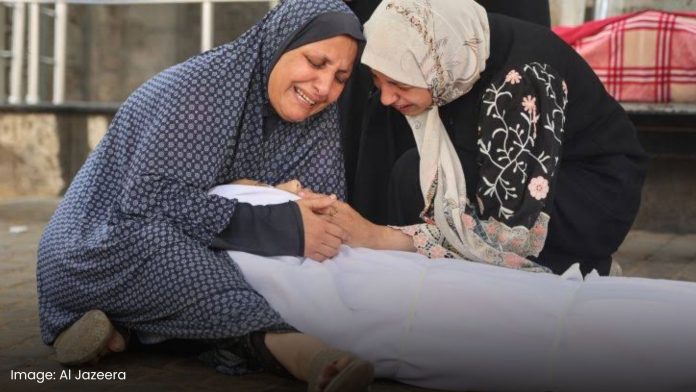
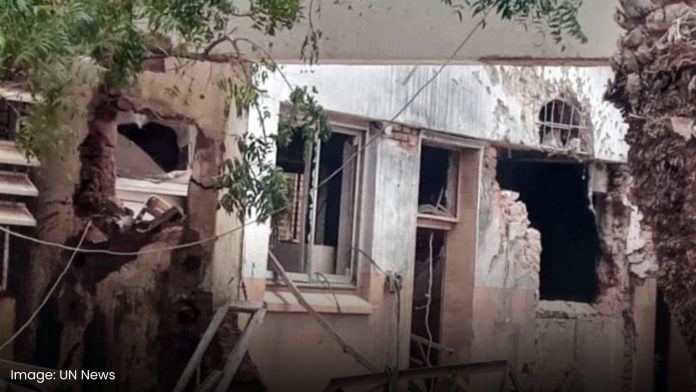
When El-Fasher’s children’s hospital moved to escape the shelling, the shelling followed. It moved a second time, and the new site was hit again. That pattern, repeated across a city, sits at the centre of an investigation published on 23 October that documents at least 43 attacks on hospitals and healthcare sites in the Sudanese city between May 2024 and October 2025.
The findings rest on accounts from doctors who worked through the siege, including six who described repeated attacks on hospitals, clinics and temporary wards, and on a dated record of the attacks. Between April 2023 and October 2025, 55 medical workers were killed, 120 injured and 10 forcibly disappeared or abducted.
How El-Fasher Lost Its Hospitals, One by One
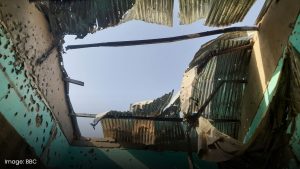
The Teaching Hospital, the city’s main facility, closed within weeks of the war starting in April 2023 because it sat in the middle of the fighting. Staff moved to South Hospital. When the Rapid Support Forces besieged the city in May and June 2024, South Hospital was shelled repeatedly, and on 8 June RSF fighters raided it as staff escaped over a back wall. It closed.
Services moved again, to the Saudi Hospital. Doctors say it was hit up to 25 times in a single day. The dialysis centre was struck, then attacked again after it relocated. A makeshift surgical site was attacked five times in 2025. On 15 March 2025, a drone strike killed nine people at a hospital gate as they carried in the wounded.
“It was intense. It was deliberate. It was planned,” said Dr Muhamed Suliman, a surgeon who worked in El-Fasher during the siege. He believes the aim was to force hospitals out of service so civilians would have no reason to stay.
The Massacre at El-Fasher’s Last Hospital
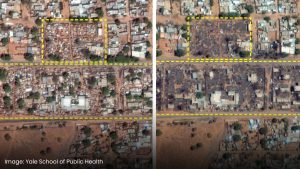
By the time the RSF took El-Fasher at the end of October 2025, the Saudi Hospital was the only functioning facility left. What happened next is the darkest point in the record. According to the World Health Organization, more than 460 patients and their companions were reportedly shot and killed at the hospital, and six health workers, including four doctors, were abducted. Satellite images taken after the attack appear to show clusters of bodies on the hospital grounds.
One year on, those killings sit within a wider pattern. Amnesty International has concluded that the RSF committed crimes against humanity and ethnic cleansing in El-Fasher, and a UN fact-finding mission found the assault bore the hallmarks of genocide.
The RSF Denies the El-Fasher Findings
The RSF rejects the findings outright. Its health minister, Alaa Eldin Nugud, called them propaganda and “a continuation of lies”, claimed South Hospital was used as a military base and said doctors chose to stay and work. The investigation found no independent evidence for the military base claim, and one doctor said he was forced to stay, fearing he would be shot if he spoke out. The RSF also denies that the hospital massacre took place.
UN human rights chief Volker Türk called the findings “deeply disturbing” and said attacks on health facilities may amount to war crimes.
Why Sudan’s Hospital Attacks Matter Now
Hospitals are the last thing a besieged city has. Destroy them, and every injury becomes a death sentence and every family has one more reason to leave. That is what makes the pattern documented in El-Fasher so serious: not one strike, but a sequence that followed doctors from building to building until nothing was left. A year after the city fell, the hospitals are gone, the missing medics are still unaccounted for, and the only answer from the RSF is denial.
By Shizza Umer
Sources