On 26 October 2025, viole.nce in and around El Fasher, the capital of North Darfur, reached a devastating peak. After approximately 18 months of siege, the Rapid Support Forces (RSF) seized the city amid reports of mass kill.ings, sexu.al viole.nce, tortur.e, abductions and forced displacement. One year later, the destruction is not simply a chapter in Sudan’s civil wa.r. It remains a continuing humanitarian and human-rights crisis.
The scale of the killi.ngs was catastrophic. According to the UN Human Rights Office, more than 6,000 people were ki.lled between 25 and 27 October 2025. At least 4,400 were ki.lled inside El Fasher, while at least 1,600 died attempting to flee along escape routes. These figures are based on documented survivor and witness accounts, supported by other evidence; the actual de.ath toll may be higher.
A siege that pushed civilians to the brink
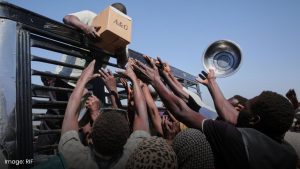
The final offensive was preceded by months of deprivation. As the siege tightened, residents faced shortages of food, water and medical supplies, while restrictions on movement made escape increasingly dangerous. Human Rights Watch documented accounts of residents being forced to survive on animal fodder as food ran out. Civilians were caught between the threat of viole.nce inside the city and the dangers awaiting them on the roads out.
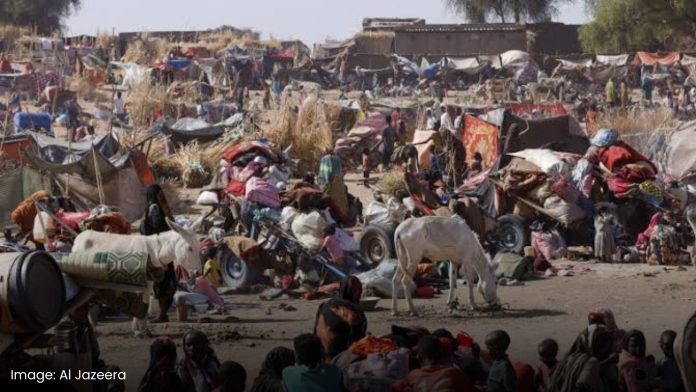
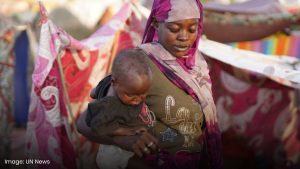
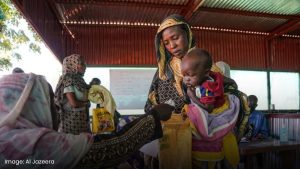
The consequences were devastating for women and girls. Reports documented ra.pe, abductions and other forms of sexu.al viole.nce, alongside killi.ngs and the disappearance of family members. For many survivors, escaping the city did not bring an end to their suffering. It meant beginning life again in displacement camps, often without adequate shelter, healthcare or psychological support.
A statement released by UN Women on 23 October 2026 highlighted the lasting consequences. In a survey of 50 organisations supporting women and girls displaced from El Fasher, 45 organisations, 90 per cent, reported that psychological distress among those they supported was continuing. Organisations said women were unable to sleep because of trauma. These findings illustrate that the effects of mass viole.nce persist long after the immediate atta.cks end.
One year later, is El Fasher safe?
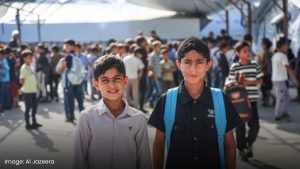
The passage of a year has not restored normal life. Amnesty International reported on 23 October 2026 that fewer than 70,000 people remained in El Fasher, compared with a pre-wa.r population of more than one million. Testimonies gathered by the organisation described arbitrary detention, torture, unlawful killi.ngs, close surveillance and restricted humanitarian access. Some residents who escaped said schools had been turned into detention centres.
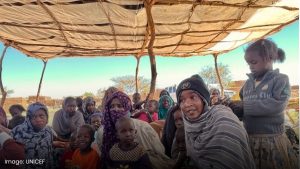
The displacement crisis also extends beyond the city. Families who fled must contend with insecure living conditions and limited access to basic services. Humanitarian organisations continue to face serious obstacles in delivering assistance, while renewed violence elsewhere in Sudan threatens civilians who have already been displaced.
El Fasher is part of a much wider war that began in April 2023 between Sudan’s Armed Forces and the RSF. The conflict has devastated communities, displaced millions and severely damaged essential infrastructure. The anniversary therefore raises a question beyond remembrance: how can civilians be protected when viole.nce, displacement and restrictions on aid continue across the country?
Accountability cannot stop at condemnation
International governments have renewed calls for justice. On 26 October 2026, the Coalition for Atrocity Prevention and Justice for Sudan,which includes the UK, the European Union and several other governments, reaffirmed the need to prevent further atrocities and hold those responsible to account. Human Rights Watch has argued that governments must do more to ensure that those responsible face consequences.
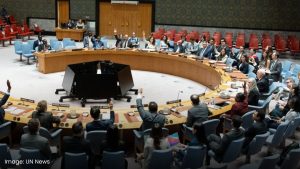
Statements matter, but they cannot substitute for action. Credible investigations, accountability processes, protection for survivors and humanitarian access are essential. Governments must also use their influence to reduce the flow of weapons and other support that enables the conflict, while ensuring that assistance reaches civilians in need.
The international response to El Fasher also carries a broader warning. Mass atrocities do not become inevitable simply because a conflict is prolonged or difficult to resolve. Their prevention requires sustained attention, political pressure and meaningful measures to protect civilians before violence reaches its worst point.
One year later, El Fasher’s survivors are still living with the consequences of the massacre. Remembering them means more than revisiting the horror of October 2025. It means confronting the conditions that allowed it to happen and demanding that the world do more to prevent its repetition.
REFERENCE
https://www.hrw.org/news/2026/10/26/sudan-one-year-on-from-the-cataclysm-of-el-fasher
https://reliefweb.int/report/sudan/one-year-after-fall-el-fasher-generations-dreams-remain-hold