READ MORE   Hormuz as Leverage: Can the US and Iran Find a Way Back to Negotiations?

The United States and Iran may be heading back to the negotiating table, but the latest diplomatic opening is emerging from a confrontation in which the Strait of Hormuz has become one of the most important sources of leverage for both sides.

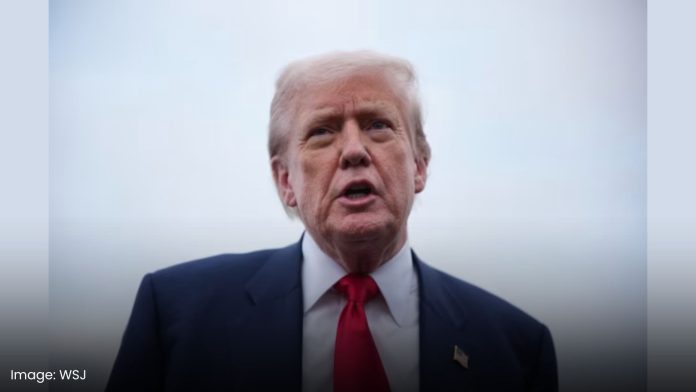
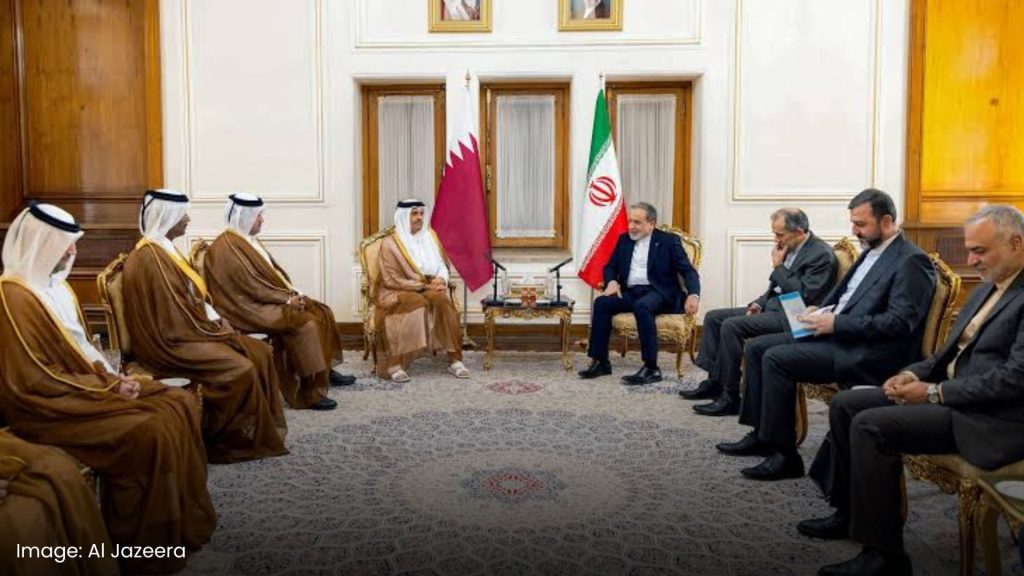
On September 28, US President Donald Trump said American negotiators could engage their Iranian counterparts within days after Washington rejected a proposal from Tehran concerning the reopening of the Strait of Hormuz. Iran had proposed reopening the strategic waterway in exchange for a cessation of hostilities across the Middle East and a return to the conditions of an earlier ceasefire agreement. The proposal had been transmitted through Qatari mediators.

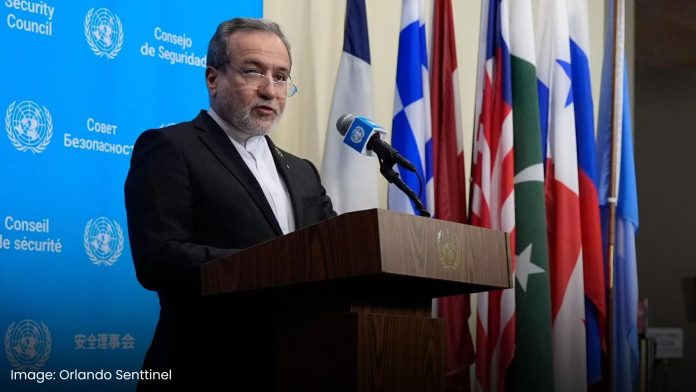
The disagreement is fundamentally about sequencing. Iran wants changes in the military and economic pressure being placed on it before making concessions on Hormuz. Iranian Foreign Minister Abbas Araghchi said Tehran remains open to diplomacy but would not capitulate, stressing that reopening the strait depends on Iran’s conditions being met. Those conditions include a cessation of hostilities and the restoration of provisions from the previous ceasefire arrangement, including the release of frozen Iranian assets, the lifting of sanctions on Iranian oil and an end to the US naval blockade.

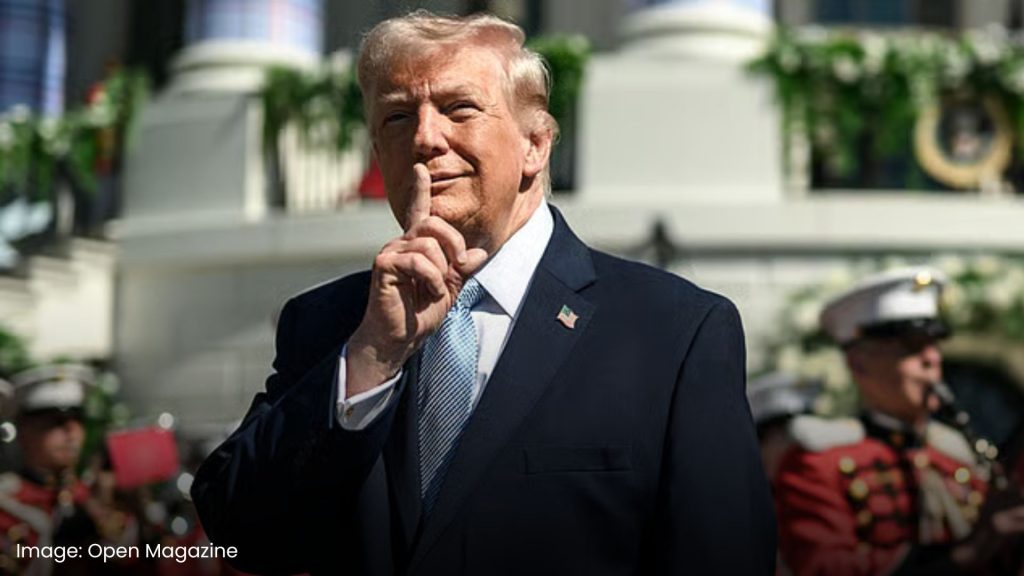
Washington has taken a different position. Trump rejected the Iranian proposal, while US Ambassador to the UN Mike Waltz accused Tehran of demanding too much in exchange for simply returning to negotiations. Yet Trump’s rejection has not closed the diplomatic channel altogether. His statement that US negotiators will engage Iran suggests that Washington is still interested in exploring whether the deadlock can be broken, even if it does not accept Tehran’s initial terms.
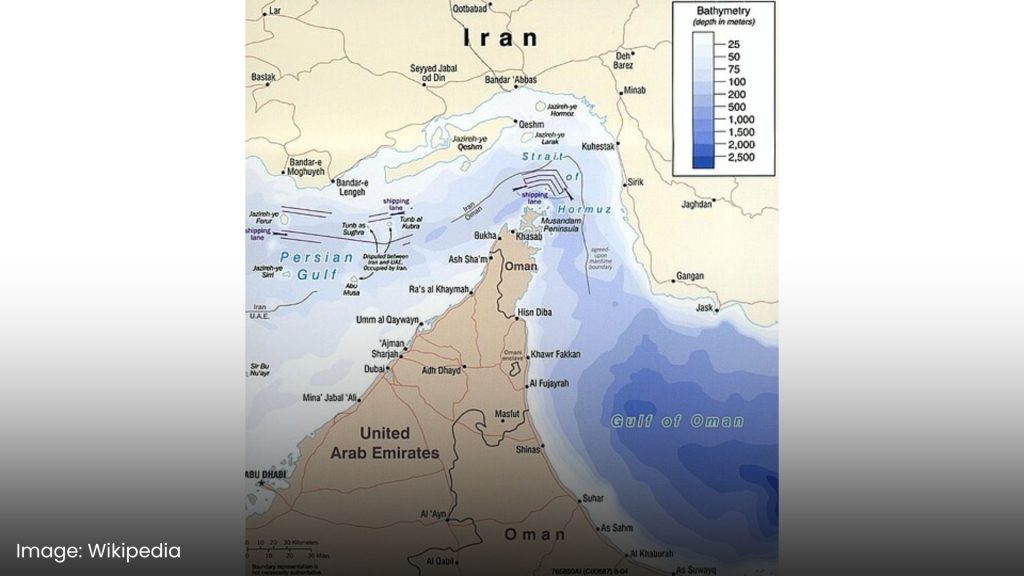
At the centre of this dispute is Hormuz itself. The waterway is a crucial maritime chokepoint connecting the Persian Gulf with the Gulf of Oman and the wider Indian Ocean. Its significance extends well beyond Iran and the United States because disruption affects energy shipments, commercial navigation and global markets. Reuters reported earlier in September that Iran had indicated it could reopen the strait within a week if Washington reduced military pressure and lifted its blockade.

This makes Hormuz more than a military flashpoint. It has become a bargaining instrument. Tehran can use the prospect of reopening the waterway to demand reciprocal concessions, while Washington can use economic and military pressure to seek changes in Iranian behaviour. Neither side therefore views the strait as an issue that can be separated from the broader conflict.
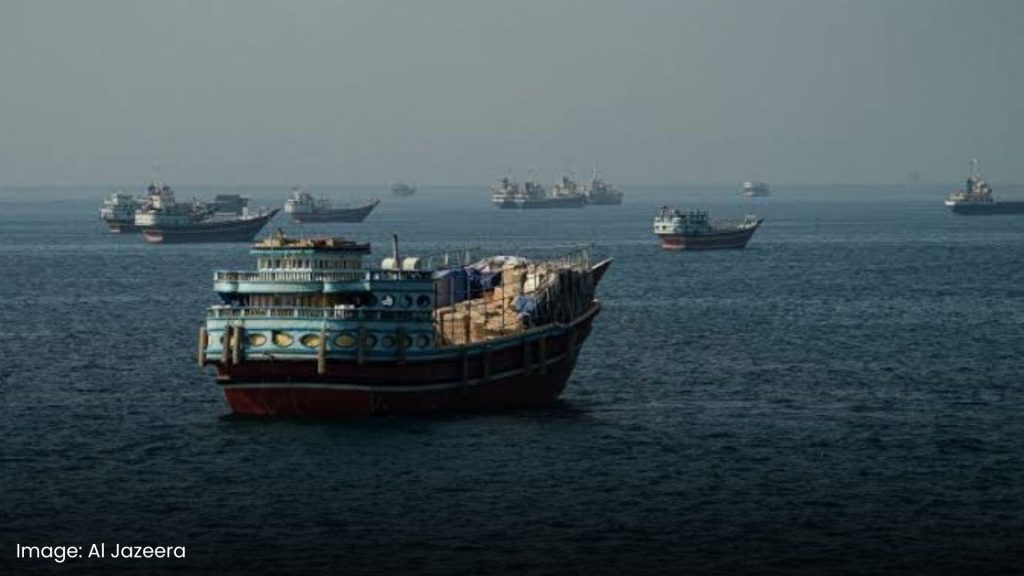
The economic consequences add another layer. Gulf states and international markets have a direct interest in restoring predictable maritime traffic. Reuters has reported that financial markets have been closely watching developments around Hormuz, while the possibility of reopening the strait has affected oil prices and investor expectations.

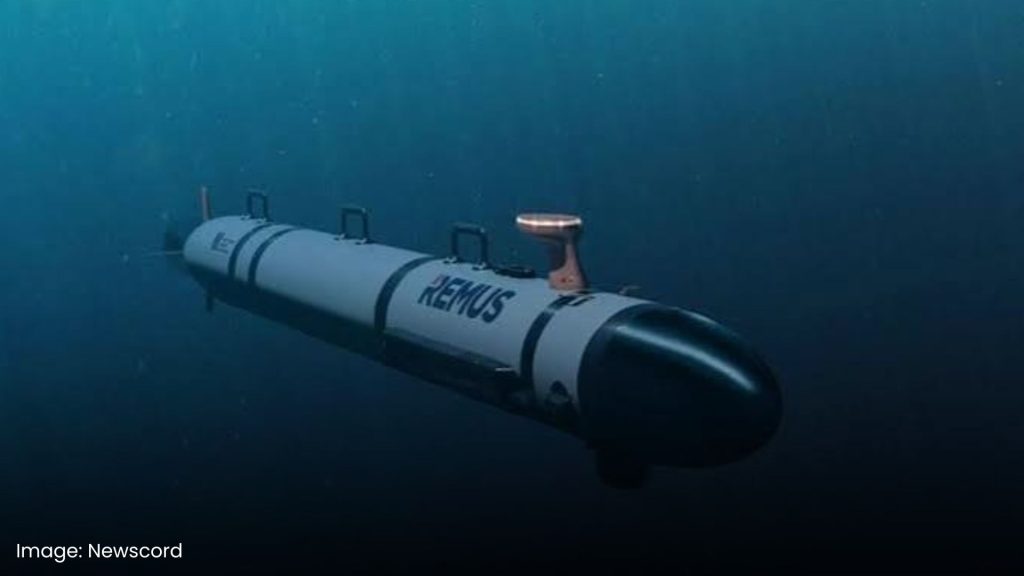
Yet diplomacy is developing alongside continued military confrontation. Iran’s armed forces have warned that they are prepared for renewed US attacks. The Islamic Revolutionary Guard Corps also claimed that it seized a US Remus 600 autonomous underwater vehicle operating in the Strait of Hormuz, a claim denied by the Pentagon. Iranian Army Commander-in-Chief Amir Hatami described the conflict as being at a “critical and decisive stage.”

This combination of diplomacy and military preparation illustrates the fragility of the current opening. Both sides have reasons to negotiate, but neither appears ready to surrender its principal sources of leverage before receiving something in return.

The immediate challenge, therefore, is not simply getting Washington and Tehran to talk. It is constructing a sequence of reciprocal steps that both sides can accept. Iran wants sanctions and military pressure addressed; Washington wants Hormuz reopened and broader concessions from Tehran. Qatar and other mediators may help bridge those positions, but the fundamental bargaining problem remains.

For now, Hormuz is simultaneously a strategic chokepoint, an economic pressure point and a diplomatic bargaining chip. Whether it becomes the mechanism that brings Washington and Tehran back towards an agreement or another source of prolonged confrontation will depend on whether both sides can turn their leverage into reciprocal concessions rather than allowing the stalemate to deepen.

Reference

https://www.bbc.com/news/articles/cqgmrr9ekr7ko

https://www.nbcnews.com/world/iran/iran-fully-prepared-war-resume-foreign-minister-rcna600059 https://www.dawn.com/news/2033148/us-iran-may-return-to-table-within-days-over-hormuz

The United States and Iran may be heading back to the negotiating table, but the latest diplomatic opening is emerging from a confrontation in which the Strait of Hormuz has become one of the most important sources of leverage for both sides.

On September 28, US President Donald Trump said American negotiators could engage their Iranian counterparts within days after Washington rejected a proposal from Tehran concerning the reopening of the Strait of Hormuz. Iran had proposed reopening the strategic waterway in exchange for a cessation of hostilities across the Middle East and a return to the conditions of an earlier ceasefire agreement. The proposal had been transmitted through Qatari mediators.

The disagreement is fundamentally about sequencing. Iran wants changes in the military and economic pressure being placed on it before making concessions on Hormuz. Iranian Foreign Minister Abbas Araghchi said Tehran remains open to diplomacy but would not capitulate, stressing that reopening the strait depends on Iran’s conditions being met. Those conditions include a cessation of hostilities and the restoration of provisions from the previous ceasefire arrangement, including the release of frozen Iranian assets, the lifting of sanctions on Iranian oil and an end to the US naval blockade.

Washington has taken a different position. Trump rejected the Iranian proposal, while US Ambassador to the UN Mike Waltz accused Tehran of demanding too much in exchange for simply returning to negotiations. Yet Trump’s rejection has not closed the diplomatic channel altogether. His statement that US negotiators will engage Iran suggests that Washington is still interested in exploring whether the deadlock can be broken, even if it does not accept Tehran’s initial terms.

At the centre of this dispute is Hormuz itself. The waterway is a crucial maritime chokepoint connecting the Persian Gulf with the Gulf of Oman and the wider Indian Ocean. Its significance extends well beyond Iran and the United States because disruption affects energy shipments, commercial navigation and global markets. Reuters reported earlier in September that Iran had indicated it could reopen the strait within a week if Washington reduced military pressure and lifted its blockade.

This makes Hormuz more than a military flashpoint. It has become a bargaining instrument. Tehran can use the prospect of reopening the waterway to demand reciprocal concessions, while Washington can use economic and military pressure to seek changes in Iranian behaviour. Neither side therefore views the strait as an issue that can be separated from the broader conflict.
The economic consequences add another layer. Gulf states and international markets have a direct interest in restoring predictable maritime traffic. Reuters has reported that financial markets have been closely watching developments around Hormuz, while the possibility of reopening the strait has affected oil prices and investor expectations.

Yet diplomacy is developing alongside continued military confrontation. Iran’s armed forces have warned that they are prepared for renewed US attacks. The Islamic Revolutionary Guard Corps also claimed that it seized a US Remus 600 autonomous underwater vehicle operating in the Strait of Hormuz, a claim denied by the Pentagon. Iranian Army Commander-in-Chief Amir Hatami described the conflict as being at a “critical and decisive stage.”

This combination of diplomacy and military preparation illustrates the fragility of the current opening. Both sides have reasons to negotiate, but neither appears ready to surrender its principal sources of leverage before receiving something in return.

The immediate challenge, therefore, is not simply getting Washington and Tehran to talk. It is constructing a sequence of reciprocal steps that both sides can accept. Iran wants sanctions and military pressure addressed; Washington wants Hormuz reopened and broader concessions from Tehran. Qatar and other mediators may help bridge those positions, but the fundamental bargaining problem remains.
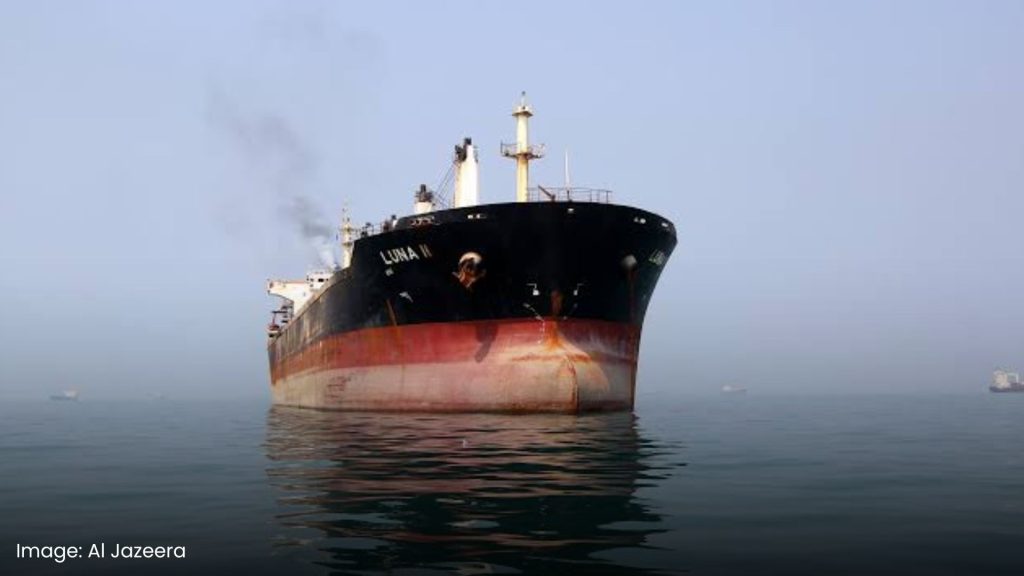
For now, Hormuz is simultaneously a strategic chokepoint, an economic pressure point and a diplomatic bargaining chip. Whether it becomes the mechanism that brings Washington and Tehran back towards an agreement or another source of prolonged confrontation will depend on whether both sides can turn their leverage into reciprocal concessions rather than allowing the stalemate to deepen.

Reference

https://www.bbc.com/news/articles/cqgmrr9ekr7ko

https://www.nbcnews.com/world/iran/iran-fully-prepared-war-resume-foreign-minister-rcna600059 https://www.dawn.com/news/2033148/us-iran-may-return-to-table-within-days-over-hormuz
spot_img

Explore more

spot_img
Global Affairs

They Risked Their Lives to Save Her: The Courage of Palestinians...

Netanyahu Could Lose the Election. But Will Palestinians See Any Real...

The Badr Pact Explained: Why Pakistan, Türkiye, Qatar and Indonesia Are...

Mali’s Ménaka Region Faces Another Deadly Attack as Civilians Remain Trapped...

Gaza Is Losing Food Aid. 500,000 Palestinians Are Being Left Behind.

Another Religious Festival, Another Deadly Stampede. Who Is Responsible?