“You Cannot Be Muslim and British”: How Anti-Muslim Rhetoric Targets British Muslims

The suspension of Jason Powell, an aspiring Reform UK parliamentary candidate, has sparked renewed debate over Islamophobia, immigration rhetoric and the boundaries of British identity. On October 17, 2026, an undercover ITV investigation revealed Powell advocating for concentration camps for asylum seekers arriving by small boats and claiming that Muslims could not be British. Reform UK suspended him the following day.

The controversy is not simply about offensive language. It raises a broader question: when political debate about immigration begins to portray an entire religious community as incompatible with national identity, where should the line be drawn?

A Question of Belonging

During conversations recorded by ITV, Powell described himself as “pretty hardline about Islam” and compared being Muslim and British to “oil and water”. His comments suggested that religious belief and British identity could not coexist.

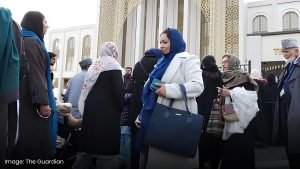
That claim disregards the reality of British Muslim life. Muslims have lived in Britain for generations, contributing to its public services, businesses, universities, cultural institutions and political system. British citizenship does not require adherence to a particular religion, and the country’s Muslim population includes citizens whose families have lived in Britain for decades as well as converts to Islam.

Political disagreement with religious beliefs is not, by itself, Islamophobia. However, treating Muslims as inherently unable to belong to the nation moves beyond criticism of ideas and towards excluding people on the basis of religious identity.

From Immigration Control to Detention Camps

Powell also proposed that people arriving across the English Channel in small boats should be rounded up and placed in “concentration camps” before being sent back to their countries of origin.

Governments can debate border controls, asylum procedures and the return of people who do not qualify for protection. But asylum seekers are not automatically ineligible for protection because they arrive irregularly. The 1951 Refugee Convention establishes obligations concerning access to protection and prohibits returning refugees to territories where their life or freedom would be threatened, subject to the Convention’s provisions.

The language used to describe detention also matters. Proposals to confine people raise questions about due process, humane treatment, detention conditions and individual assessment. A policy aimed at controlling irregular migration does not remove a state’s legal obligations towards those affected.
A Wider Party Controversy

Powell’s remarks emerged from a year-long undercover investigation by ITV into Reform UK candidates, councillors and activists. The investigation recorded other party figures making racist and misogynistic comments, including statements advocating extreme violence.

Reform UK responded by saying it had improved its vetting procedures and that there was “no room for racism” in the party. It also said investigations had begun where members or activists who had behaved inappropriately, while stressing that due process should be followed.

Powell’s suspension demonstrates that the party took disciplinary action after the revelations. However, the episode also raises questions about the effectiveness of its candidate-screening procedures, particularly because Powell said he had passed vetting.

The Question British Politics Must Confront

The central issue extends beyond Reform UK. Immigration has become a major subject of political contestation in Britain, but debates about borders and national identity can have consequences for communities already facing prejudice.

There is a meaningful distinction between arguing that immigration rules should change and claiming that people of a particular faith cannot belong to the country. The former concerns public policy; the latter questions the legitimacy of an entire community’s place in society.

The suspension of one candidate does not settle that debate. Nor does it establish what consequences the controversy will have for the party’s future conduct. What it does is bring a fundamental question into focus: can British identity remain inclusive of citizens from different religious backgrounds while immigration policy remains politically contested?

The test is not whether Britain can debate immigration. It is whether that debate can take place without treating religious identity as evidence that some citizens will never truly belong.
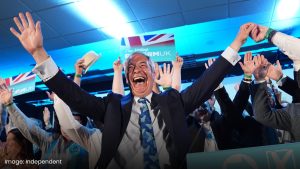
 

The suspension of Jason Powell, an aspiring Reform UK parliamentary candidate, has sparked renewed debate over Islamophobia, immigration rhetoric and the boundaries of British identity. On October 17, 2026, an undercover ITV investigation revealed Powell advocating for concentration camps for asylum seekers arriving by small boats and claiming that Muslims could not be British. Reform UK suspended him the following day.

The controversy is not simply about offensive language. It raises a broader question: when political debate about immigration begins to portray an entire religious community as incompatible with national identity, where should the line be drawn?

A Question of Belonging

During conversations recorded by ITV, Powell described himself as “pretty hardline about Islam” and compared being Muslim and British to “oil and water”. His comments suggested that religious belief and British identity could not coexist.

That claim disregards the reality of British Muslim life. Muslims have lived in Britain for generations, contributing to its public services, businesses, universities, cultural institutions and political system. British citizenship does not require adherence to a particular religion, and the country’s Muslim population includes citizens whose families have lived in Britain for decades as well as converts to Islam.

Political disagreement with religious beliefs is not, by itself, Islamophobia. However, treating Muslims as inherently unable to belong to the nation moves beyond criticism of ideas and towards excluding people on the basis of religious identity.

From Immigration Control to Detention Camps

Powell also proposed that people arriving across the English Channel in small boats should be rounded up and placed in “concentration camps” before being sent back to their countries of origin.

Governments can debate border controls, asylum procedures and the return of people who do not qualify for protection. But asylum seekers are not automatically ineligible for protection because they arrive irregularly. The 1951 Refugee Convention establishes obligations concerning access to protection and prohibits returning refugees to territories where their life or freedom would be threatened, subject to the Convention’s provisions.

The language used to describe detention also matters. Proposals to confine people raise questions about due process, humane treatment, detention conditions and individual assessment. A policy aimed at controlling irregular migration does not remove a state’s legal obligations towards those affected.

A Wider Party Controversy

Powell’s remarks emerged from a year-long undercover investigation by ITV into Reform UK candidates, councillors and activists. The investigation recorded other party figures making racist and misogynistic comments, including statements advocating extreme violence.

Reform UK responded by saying it had improved its vetting procedures and that there was “no room for racism” in the party. It also said investigations had begun where members or activists who had behaved inappropriately, while stressing that due process should be followed.

Powell’s suspension demonstrates that the party took disciplinary action after the revelations. However, the episode also raises questions about the effectiveness of its candidate-screening procedures, particularly because Powell said he had passed vetting.

The Question British Politics Must Confront

The central issue extends beyond Reform UK. Immigration has become a major subject of political contestation in Britain, but debates about borders and national identity can have consequences for communities already facing prejudice.

There is a meaningful distinction between arguing that immigration rules should change and claiming that people of a particular faith cannot belong to the country. The former concerns public policy; the latter questions the legitimacy of an entire community’s place in society.

The suspension of one candidate does not settle that debate. Nor does it establish what consequences the controversy will have for the party’s future conduct. What it does is bring a fundamental question into focus: can British identity remain inclusive of citizens from different religious backgrounds while immigration policy remains politically contested?

The test is not whether Britain can debate immigration. It is whether that debate can take place without treating religious identity as evidence that some citizens will never truly belong.
 

spot_img

Explore more

spot_img
Global Affairs

They Risked Their Lives to Save Her: The Courage of Palestinians...

Netanyahu Could Lose the Election. But Will Palestinians See Any Real...

The Badr Pact Explained: Why Pakistan, Türkiye, Qatar and Indonesia Are...

Mali’s Ménaka Region Faces Another Deadly Attack as Civilians Remain Trapped...

Gaza Is Losing Food Aid. 500,000 Palestinians Are Being Left Behind.

Another Religious Festival, Another Deadly Stampede. Who Is Responsible?

A Mosque Set on Fire in the West Bank: Who Is...