Did Iran Just Capture America’s Most Powerful Bomb?

Iran’s Claimed Capture of U.S. Bunker Buster Raises Big Questions, And Bigger Doubts

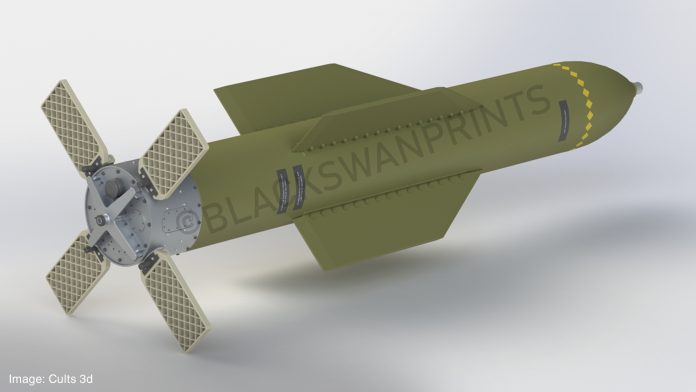
A bold claim from Iranian-linked media is making waves: Tehran says it has recovered multiple unexploded U.S. precision-guided munitions—including a reportedly intact GBU-57 Massive Ordnance Penetrator, one of the most powerful non-nuclear weapons ever developed by the United States.

While the reports remain unconfirmed by major international defense analysts, the implications, if true, are significant.
Why the GBU-57 Matters

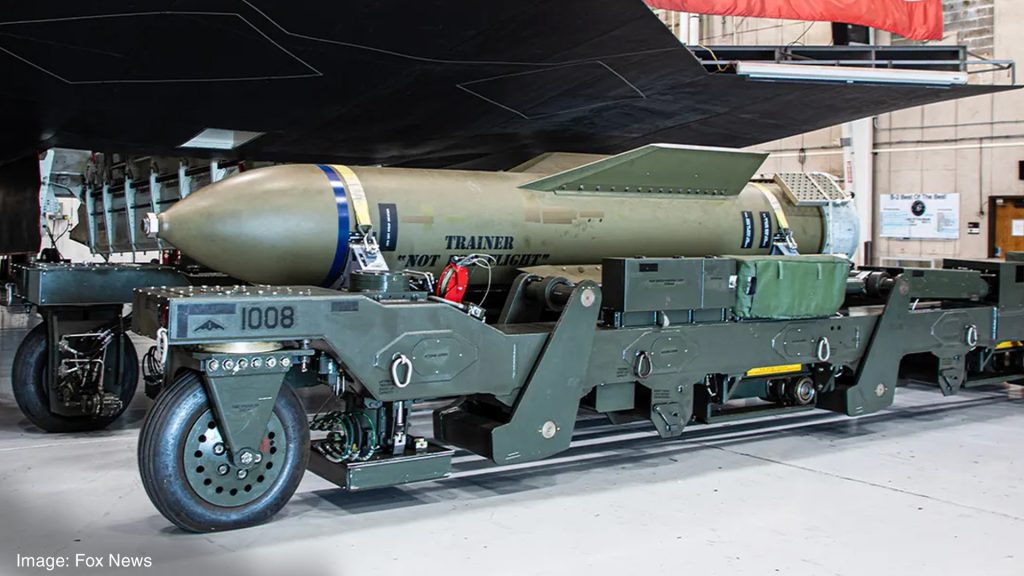
The GBU-57 is designed for one purpose:

destroying deeply buried, heavily fortified targets such as nuclear facilities.

Weighing around 30,000 pounds (13.6 tonnes), it represents the peak of U.S. conventional bunker-busting capability. Even partial access to its design could offer insights into:

  • Penetration mechanics
  • Guidance systems
  • Fuse timing and detonation logic

For a country like Iran, that knowledge could help improve both:

  • underground nuclear site protection
  • its own precision-strike weapons

A Familiar Playbook

This wouldn’t be the first time Iran has turned captured tech into capability.

Back in 2011, Iran intercepted a U.S. RQ-170 Sentinel stealth drone. Over time, that single asset reportedly contributed to the development of Iran’s own drone programs, including stealth-inspired UAVs.

Now, instead of one drone, Iran claims access to multiple weapon systems—a much broader potential intelligence gain.

Strategic Implications

If the claims hold weight, the consequences could ripple across the region:

Military Balance: Iran could strengthen its deterrence and survivability

Nuclear Tensions: Underground facilities may become harder to target

Technology Risk: U.S. and allied weapon designs could be partially exposed

It could also complicate diplomacy, especially if unexploded ordnance remains embedded in sensitive nuclear sites, limiting inspections.
But Here’s the Catch

So far, these reports rely heavily on:

  • Iranian state-linked media
  • Regional defense outlets
  • There has been no independent confirmation from:
  • U.S. defense officials
  • Major global news agencies
  • Verified satellite or battlefield evidence

That means the story sits in a gray zone, strategically plausible, but unproven.

The Bigger Picture

Even without confirmation, the narrative itself matters.

In modern geopolitics, perception is power.

Claims like these can:

  • Boost domestic confidence
  • Signal strength to rivals
  • Shape global narratives about military capability

Whether fact, exaggeration, or psychological strategy, the story is already doing its job:

forcing the world to ask, what if it’s true?
Iran’s Claimed Capture of U.S. Bunker Buster Raises Big Questions, And Bigger Doubts

A bold claim from Iranian-linked media is making waves: Tehran says it has recovered multiple unexploded U.S. precision-guided munitions—including a reportedly intact GBU-57 Massive Ordnance Penetrator, one of the most powerful non-nuclear weapons ever developed by the United States.

While the reports remain unconfirmed by major international defense analysts, the implications, if true, are significant.

Why the GBU-57 Matters

The GBU-57 is designed for one purpose:

destroying deeply buried, heavily fortified targets such as nuclear facilities.

Weighing around 30,000 pounds (13.6 tonnes), it represents the peak of U.S. conventional bunker-busting capability. Even partial access to its design could offer insights into:

  • Penetration mechanics
  • Guidance systems
  • Fuse timing and detonation logic

For a country like Iran, that knowledge could help improve both:

  • underground nuclear site protection
  • its own precision-strike weapons

A Familiar Playbook

This wouldn’t be the first time Iran has turned captured tech into capability.

Back in 2011, Iran intercepted a U.S. RQ-170 Sentinel stealth drone. Over time, that single asset reportedly contributed to the development of Iran’s own drone programs, including stealth-inspired UAVs.

Now, instead of one drone, Iran claims access to multiple weapon systems—a much broader potential intelligence gain.

Strategic Implications

If the claims hold weight, the consequences could ripple across the region:

Military Balance: Iran could strengthen its deterrence and survivability

Nuclear Tensions: Underground facilities may become harder to target

Technology Risk: U.S. and allied weapon designs could be partially exposed

It could also complicate diplomacy, especially if unexploded ordnance remains embedded in sensitive nuclear sites, limiting inspections.

But Here’s the Catch

So far, these reports rely heavily on:

  • Iranian state-linked media
  • Regional defense outlets
  • There has been no independent confirmation from:
  • U.S. defense officials
  • Major global news agencies
  • Verified satellite or battlefield evidence

That means the story sits in a gray zone, strategically plausible, but unproven.

The Bigger Picture

Even without confirmation, the narrative itself matters.

In modern geopolitics, perception is power.

Claims like these can:

  • Boost domestic confidence
  • Signal strength to rivals
  • Shape global narratives about military capability

Whether fact, exaggeration, or psychological strategy, the story is already doing its job:

forcing the world to ask, what if it’s true?

spot_img

Explore more

spot_img
Global Affairs

Israel Faces Rare US Warning as Trump Administration Pushes Iran Deal...

Trump Called the Iran War a Win. Here Is What the...

Al Jazeera Cameraman Killed in Gaza Strike as Press Safety Concerns

US Italy diplomatic tensions

Natasha Doll Trend

US Iran diplomacy handshake

Drone attack threat

US Went to War and Then Chose Peace, Both on June...