Drone Strikes in Sudan’s Kordofan Are Turning a Water Crisis Into a Cholera Emergency
Maryam Tariq
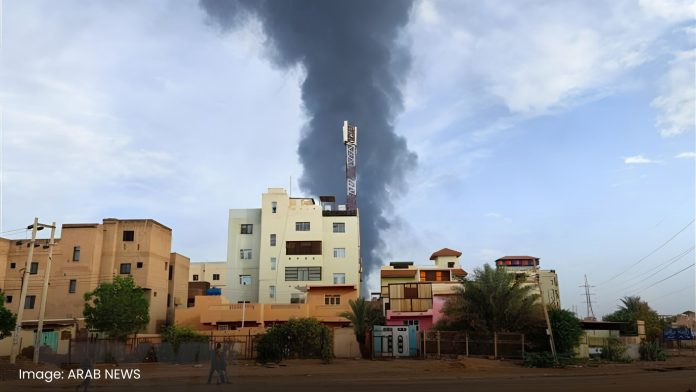
Sudan’s Kordofan region is facing a compounding humanitarian disaster, where sustained drone attacks on civilian infrastructure are colliding with a spreading cholera outbreak. The UN Office for the Coordination of Humanitarian Affairs, OCHA, said Sunday that continued drone strikes are deepening the crisis, cutting off water access at the exact moment disease is beginning to spread across the region.
The Drone Strikes Behind the Water Shortage
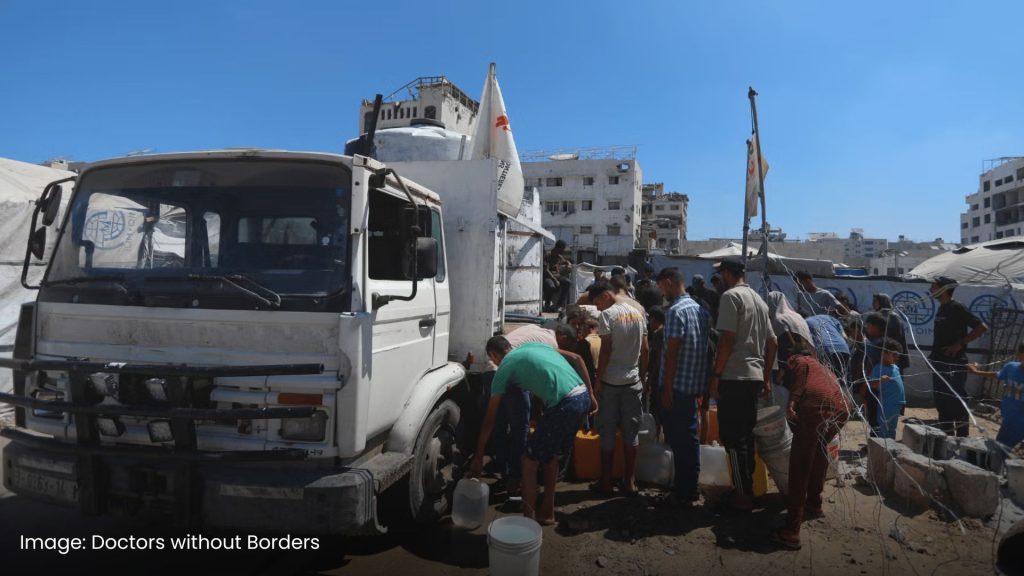
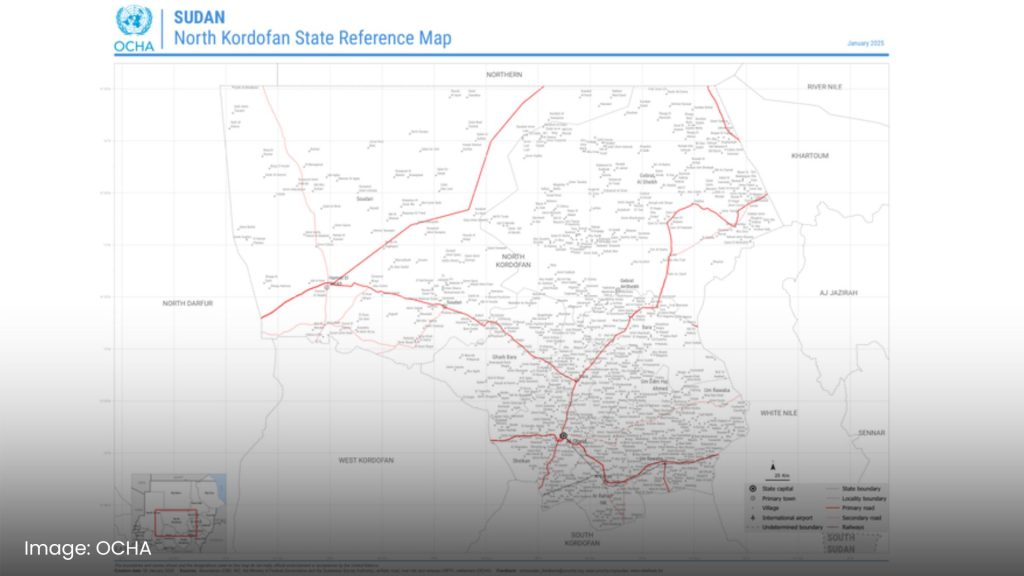
According to OCHA, a drone strike targeted a civilian vehicle near Al Shaatut village, east of Jabrat Al Sheikh in North Kordofan, on July 6, causing casualties and damage. The following day, another drone struck a water truck in Hamrat Al Sheikh, killing more civilians and disrupting access to water in an area already struggling to cope. These are not isolated incidents. For more than a month, El Obeid, the capital of North Kordofan, has come under repeated drone attacks by the Rapid Support Forces, hitting the city’s main power station, fuel facilities and other civilian sites. UN human rights investigators documented 15 drone strikes on El Obeid and surrounding areas in just three weeks, killing at least 45 civilians, with strikes repeatedly hitting markets, schools, fuel stations and water infrastructure.
A City Overwhelmed by Displacement and Water Scarcity
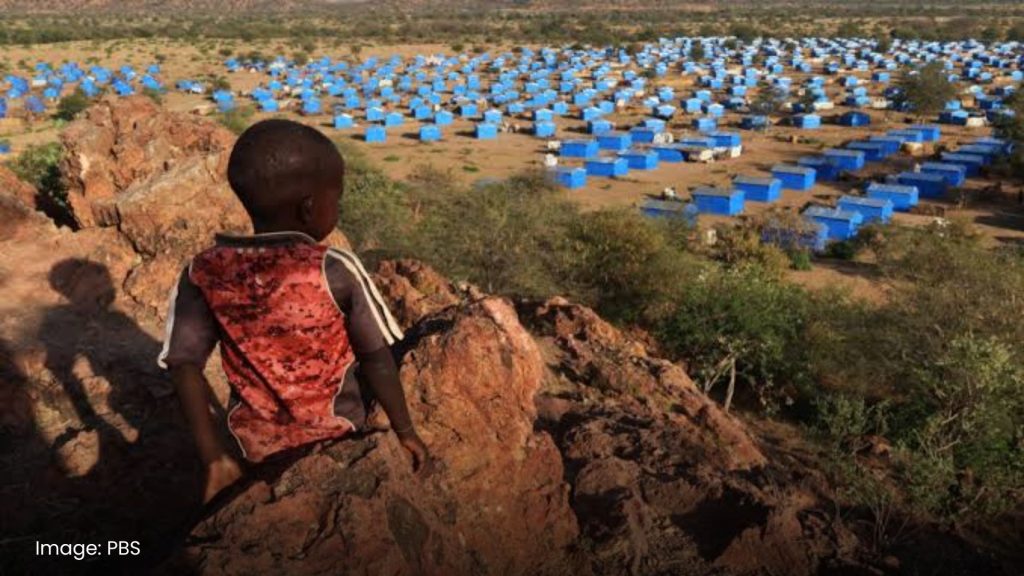
El Obeid was home to roughly 500,000 people before the war. It has since become Sudan’s largest displacement hub, with unofficial estimates putting its current population at around 3 million. That surge has placed enormous strain on a water system already crippled by strikes. OCHA said continued drone attacks have reduced El Obeid’s water supply to just 20 percent of what the city actually needs. Local reporting indicates the city has effectively been cut off from its two main water basins, with drone strikes repeatedly hitting utility and power infrastructure that feeds the municipal pumps, leaving hundreds of thousands without running water. The price of a basic jerrycan of water has reportedly doubled in recent weeks, pushing many families toward unsafe alternatives.
Cholera Spreads as Water Access Collapses
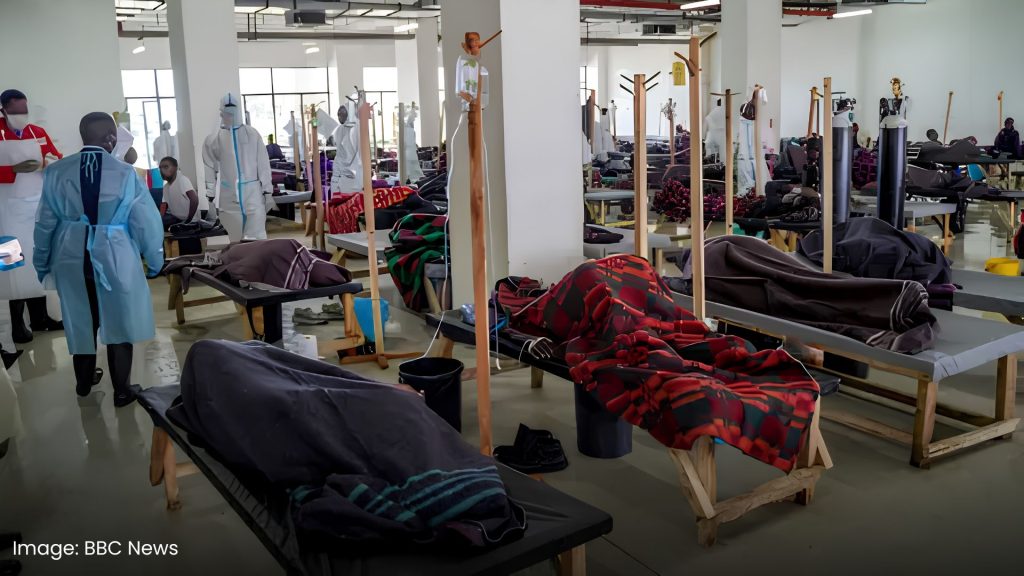
Humanitarian partners have now reported a suspected cholera case in El Obeid, a development officials had been bracing for as the rainy season begins and water infrastructure keeps failing. The World Health Organization has pre positioned cholera response supplies in the city and established a treatment centre there. OCHA has allocated more than 4 million dollars through the Sudan Humanitarian Fund to support food security, nutrition, healthcare, water and sanitation, protection services and mine action. In neighbouring South Kordofan, UNICEF has delivered health supplies to Abu Jubaiha to support emergency and routine health services for roughly 240,000 people. Even so, Sudan’s overall 2026 humanitarian response plan, which requires close to 2.9 billion dollars, remains less than a third funded, with only around 930 million dollars received so far.
A Pattern UN Officials Have Seen Before
UN officials have described the situation in El Obeid as following a familiar and alarming pattern, one that mirrors the encirclement and infrastructure attacks that preceded the fall of El Fasher in North Darfur last year, where thousands were killed within days once the city was overrun. Rights investigators say drone strikes on fuel stations have compounded the crisis further, making it harder for residents to access clean water, food, transport and healthcare all at once. Many residents say the cost of transport and repeated attacks on vehicles along exit routes have made leaving the city nearly impossible, trapping people inside a shrinking window of safety.
Why Kordofan Matters Beyond Sudan
Sudan has been at war since April 2023, when fighting broke out between the army and the Rapid Support Forces over a failed plan to integrate the paramilitary force into the national military. The conflict has already triggered one of the world’s worst humanitarian crises, killing tens of thousands and displacing millions. What is unfolding in Kordofan now shows how infrastructure, not just frontlines, has become a central target in this war, and how quickly disease can take hold once water and power systems are deliberately knocked out.
Sources:
· UN warns drone attacks deepen humanitarian crisis in Sudan’s Kordofan region — Anadolu Agency: https://www.aa.com.tr/en/africa/un-warns-drone-attacks-deepen-humanitarian-crisis-in-sudan-s-kordofan-region/3996004
· Drone strikes deepen humanitarian crisis in Sudan’s Kordofan, UN says — Radio Tamazuj: https://www.radiotamazuj.org/en/news/article/drone-strikes-deepen-humanitarian-crisis-in-sudans-kordofan-un-says
· UN voices concern over drone strikes, cholera in Sudan’s Kordofan — Xinhua: https://english.news.cn/20260710/a31bdbe24e084c18ad475b9d8c0764aa/c.html
· Sudan’s people subject to relentless drone strikes in El Obeid — UN News: https://news.un.org/en/story/2026/07/1167871