You Can Wear What You Want, Unless It’s a Niqab!

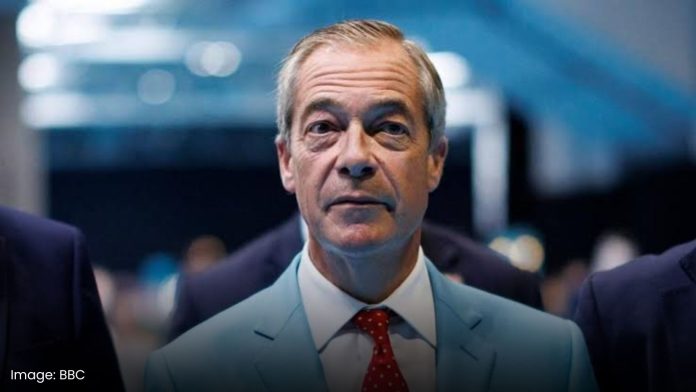
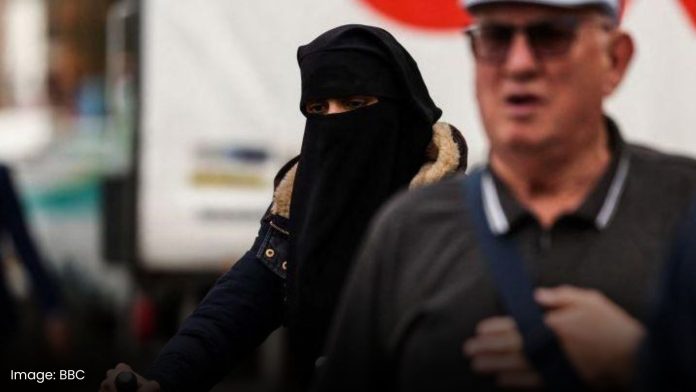
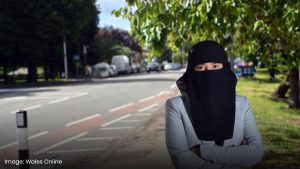
A debate in the Welsh Parliament has renewed a contentious European argument over Muslim face coverings, religious freedom and integration. On October 21, 2026, Reform UK politicians called for restrictions on full-face coverings, including the burqa and niqab, arguing that they conflicted with public safety and British values. Opponents countered that the proposal risked restricting religious expression and turning Muslim women’s clothing into a political battleground.

From Public Safety to Religious Dress

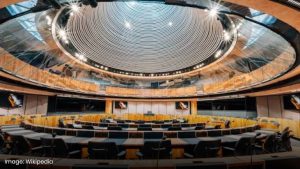
The debate, held in the Senedd, began with concerns about people concealing their identities while engaging in anti-social behaviour and crime. Reform UK politicians argued that face-covering restrictions could help protect town centres and make it easier to identify offenders.

However, the discussion extended beyond balaclavas to garments worn by some Muslim women for religious reasons. Several Reform politicians described the burqa and niqab as incompatible with British or Welsh values, linking them to oppression, failed integration and concerns about women’s rights.

These arguments raised a distinction at the heart of the controversy: concealing one’s identity while committing a crime is not the same as wearing religious clothing in everyday life. A garment alone does not establish that its wearer has committed an offence or poses a security threat.
Can Freedom Be Enforced?

Supporters of restrictions presented them as a way to protect women from what they consider oppressive practices. Yet critics challenged the assumption that banning religious face coverings necessarily advances women’s rights.

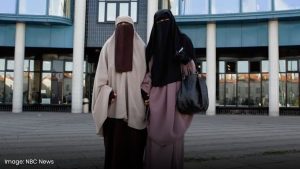
For some Muslim women, covering the face is a personal religious choice. Prohibiting it in public could mean that women must choose between following their religious convictions and accessing public spaces without restriction. Critics therefore argued that a policy presented as liberating women could instead limit their autonomy.

The distinction between compulsory veiling and voluntary religious dress is important. Under Taliban rule in Afghanistan, women face coercive restrictions on their lives, including rules governing dress and public participation. That context cannot automatically be applied to every Muslim woman who wears a niqab or burqa in Britain.

The wider question is whether governments should assess women’s freedom through their individual choices or impose a single standard of acceptable clothing.
The Question of British Values

The debate also exposed disagreements over national identity. Supporters of restrictions argued that showing one’s face was part of British social norms and necessary for integration. Opponents rejected the idea that wearing religious clothing made someone less British or Welsh.

This dispute reflects a broader tension in European politics. Governments have legitimate interests in public safety and may impose proportionate restrictions in specific circumstances, such as identity checks or particular security settings. The more controversial question is whether those interests justify a general restriction on religious face coverings in public.

A policy that treats a specific behaviour as unlawful is different from one that places restrictions on an entire category of clothing. Critics argued that the latter risks placing the burden on Muslim women rather than addressing criminal conduct directly.
What Can Wales Actually Do?

There is also a constitutional limitation. Policing and criminal law are reserved to the UK Parliament, not devolved to Wales. The Senedd debate could express a political position and encourage further action, but it could not itself introduce a general public ban through Welsh legislation.

The debate therefore did not immediately change the law. It instead highlighted disagreements over the powers of local councils, the role of Westminster and the boundaries of religious freedom.

The controversy ultimately concerns more than a garment. It raises questions about how societies define integration, whose interpretation of national values becomes authoritative, and whether the state can protect women’s autonomy by limiting their choices.

If freedom is the objective, the central question remains: should women be free to decide what they wear, or should governments decide which choices are acceptable?

A debate in the Welsh Parliament has renewed a contentious European argument over Muslim face coverings, religious freedom and integration. On October 21, 2026, Reform UK politicians called for restrictions on full-face coverings, including the burqa and niqab, arguing that they conflicted with public safety and British values. Opponents countered that the proposal risked restricting religious expression and turning Muslim women’s clothing into a political battleground.

From Public Safety to Religious Dress

The debate, held in the Senedd, began with concerns about people concealing their identities while engaging in anti-social behaviour and crime. Reform UK politicians argued that face-covering restrictions could help protect town centres and make it easier to identify offenders.

However, the discussion extended beyond balaclavas to garments worn by some Muslim women for religious reasons. Several Reform politicians described the burqa and niqab as incompatible with British or Welsh values, linking them to oppression, failed integration and concerns about women’s rights.

These arguments raised a distinction at the heart of the controversy: concealing one’s identity while committing a crime is not the same as wearing religious clothing in everyday life. A garment alone does not establish that its wearer has committed an offence or poses a security threat.

Can Freedom Be Enforced?

Supporters of restrictions presented them as a way to protect women from what they consider oppressive practices. Yet critics challenged the assumption that banning religious face coverings necessarily advances women’s rights.

For some Muslim women, covering the face is a personal religious choice. Prohibiting it in public could mean that women must choose between following their religious convictions and accessing public spaces without restriction. Critics therefore argued that a policy presented as liberating women could instead limit their autonomy.

The distinction between compulsory veiling and voluntary religious dress is important. Under Taliban rule in Afghanistan, women face coercive restrictions on their lives, including rules governing dress and public participation. That context cannot automatically be applied to every Muslim woman who wears a niqab or burqa in Britain.

The wider question is whether governments should assess women’s freedom through their individual choices or impose a single standard of acceptable clothing.

The Question of British Values

The debate also exposed disagreements over national identity. Supporters of restrictions argued that showing one’s face was part of British social norms and necessary for integration. Opponents rejected the idea that wearing religious clothing made someone less British or Welsh.

This dispute reflects a broader tension in European politics. Governments have legitimate interests in public safety and may impose proportionate restrictions in specific circumstances, such as identity checks or particular security settings. The more controversial question is whether those interests justify a general restriction on religious face coverings in public.

A policy that treats a specific behaviour as unlawful is different from one that places restrictions on an entire category of clothing. Critics argued that the latter risks placing the burden on Muslim women rather than addressing criminal conduct directly.

What Can Wales Actually Do?

There is also a constitutional limitation. Policing and criminal law are reserved to the UK Parliament, not devolved to Wales. The Senedd debate could express a political position and encourage further action, but it could not itself introduce a general public ban through Welsh legislation.

The debate therefore did not immediately change the law. It instead highlighted disagreements over the powers of local councils, the role of Westminster and the boundaries of religious freedom.

The controversy ultimately concerns more than a garment. It raises questions about how societies define integration, whose interpretation of national values becomes authoritative, and whether the state can protect women’s autonomy by limiting their choices.

If freedom is the objective, the central question remains: should women be free to decide what they wear, or should governments decide which choices are acceptable?
spot_img

Explore more

spot_img
Global Affairs

They Risked Their Lives to Save Her: The Courage of Palestinians...

Netanyahu Could Lose the Election. But Will Palestinians See Any Real...

The Badr Pact Explained: Why Pakistan, Türkiye, Qatar and Indonesia Are...

Mali’s Ménaka Region Faces Another Deadly Attack as Civilians Remain Trapped...

Gaza Is Losing Food Aid. 500,000 Palestinians Are Being Left Behind.

Another Religious Festival, Another Deadly Stampede. Who Is Responsible?