Eight Muslim-majority countries have called on Isr*el to fulfil its outstanding commitments under the Comprehensive Plan for Gaza, warning that continued humanitarian suffering and the lack of progress on the ground are undermining the plan’s implementation.
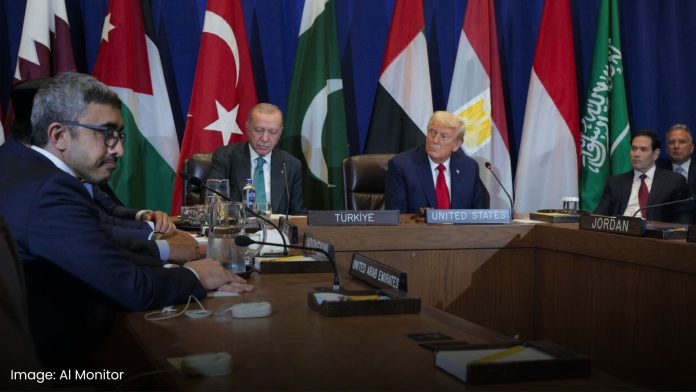
The foreign ministers of Pakistan, Egypt, Türkiye, Indonesia, Jordan, Qatar, Saudi Arabia and the United Arab Emirates met in New York on September 21, on the sidelines of the 81st UN General Assembly. Their joint statement called for the immediate, safe and unhindered delivery of humanitarian assistance and early-recovery supplies, alongside the rehabilitation of Gaza’s critical infrastructure. They also stressed that the ceasef*re must be preserved and violations brought to an end.
What Does the Plan Require?
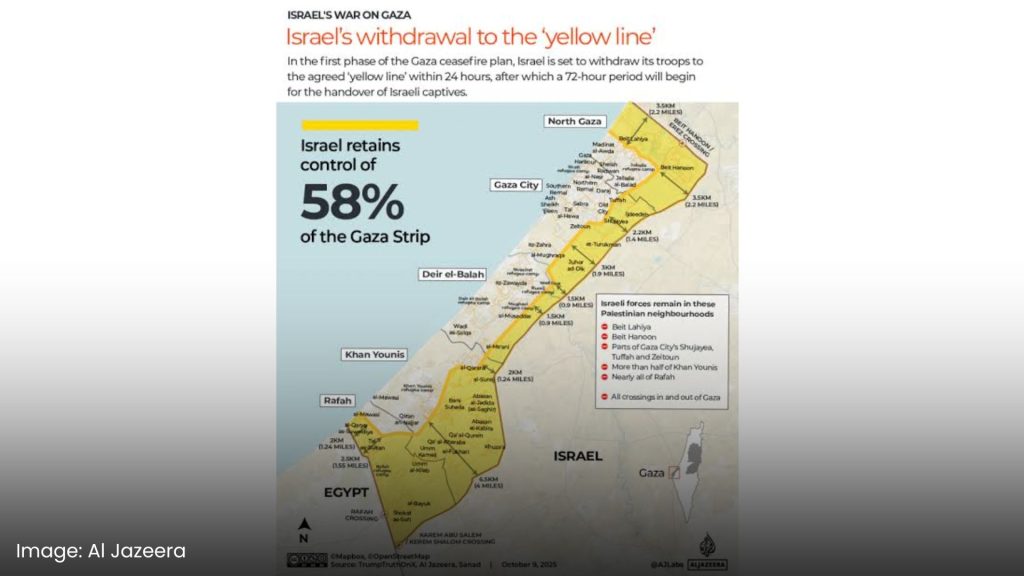
The plan is intended to move Gaza beyond a temporary cessation of hostilities toward a broader political and reconstruction framework. Its second phase includes Isr*eli withdrawal, the deployment of an International Stabilisation Force, the transfer of responsibilities to the National Committee for the Administration of Gaza (NCAG), and the beginning of early recovery and reconstruction.
The eight states argued that this roadmap is not an optional addition but an integral part of the plan. They called on all parties to implement their commitments “in good faith and without delay.”
Yet implementation remains deeply contested.
A Ceasef*re Without Recovery
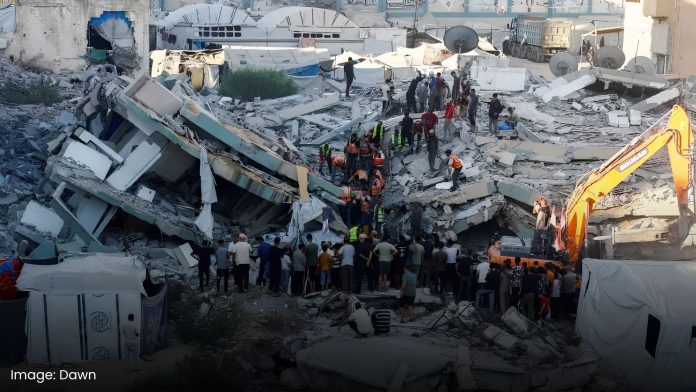
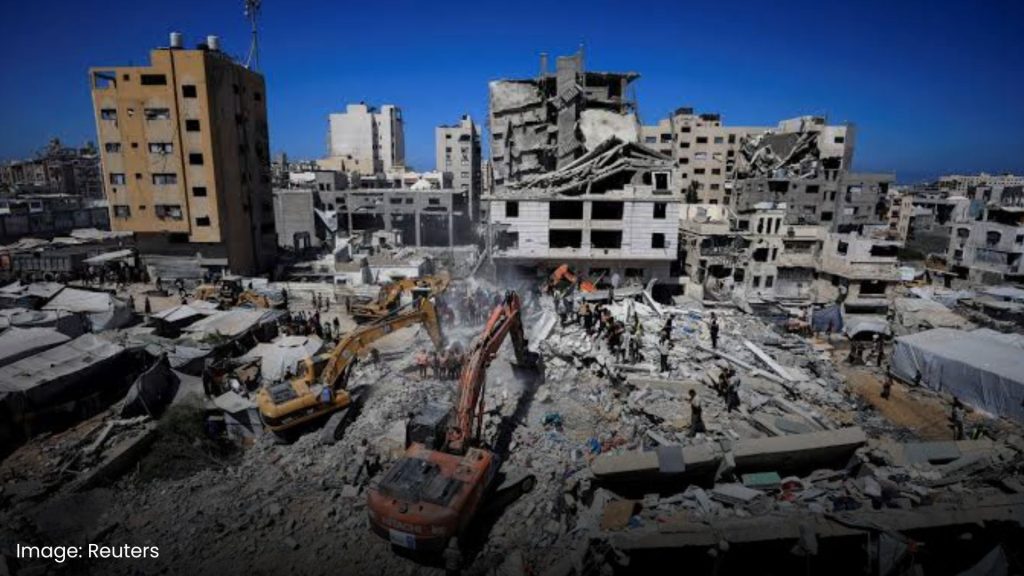
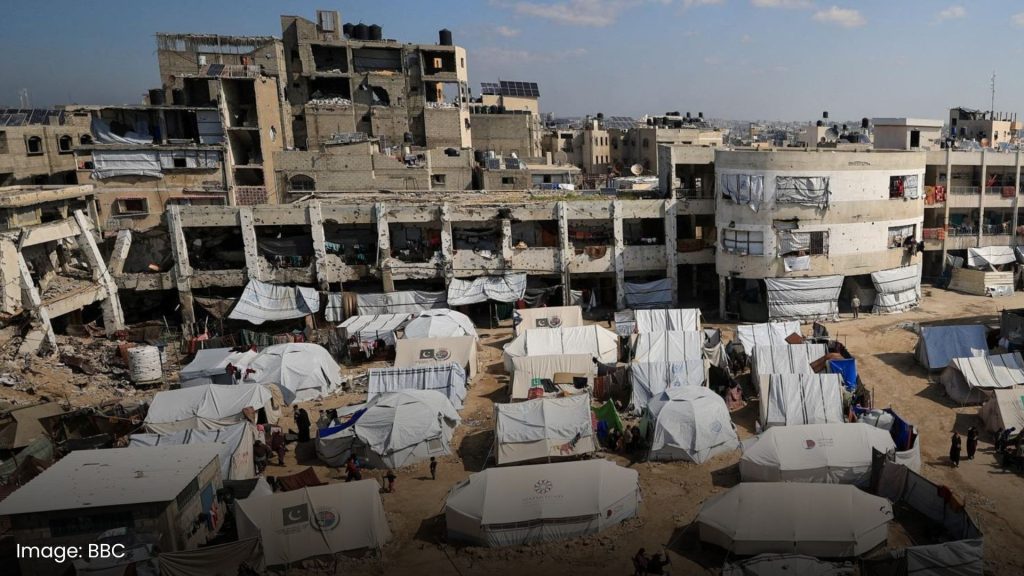
The humanitarian situation illustrates the gap between the commitments on paper and conditions experienced by Palestinians. The UN Office for the Coordination of Humanitarian Affairs (OCHA) reported that 21 people, including 12 children, were k*lled when a w*r-damaged residential building collapsed in Gaza City on September 16. Rescue and recovery operations have also been constrained by shortages of machinery, fuel, spare parts and other essential equipment.
The continued vulnerability of civilians is closely linked to the destruction of housing and infrastructure. Reuters reported that most of Gaza’s infrastructure remains destroyed or severely damaged, while more than two million Palestinians remain concentrated in a much smaller portion of the territory, many living in tents or damaged buildings.
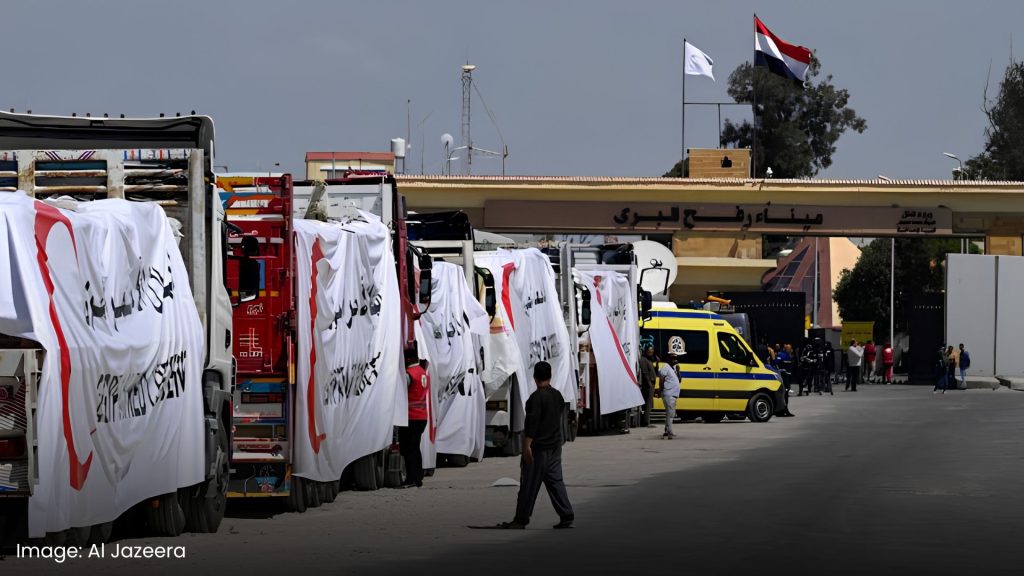
For the eight governments, therefore, humanitarian assistance is not separate from the peace process. It is one of the conditions required for the plan to move forward.
The Crisis Extends Beyond Gaza
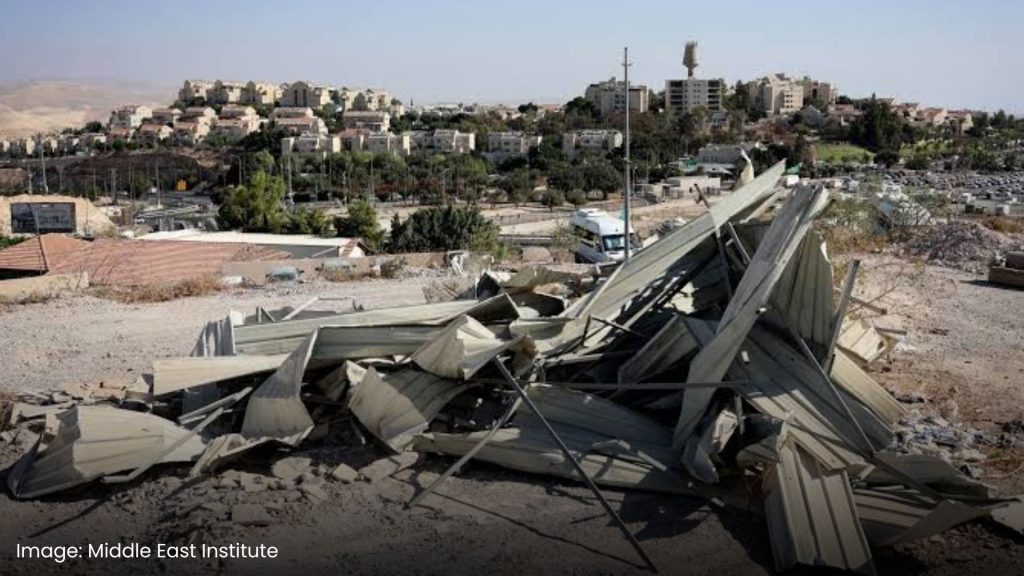
The joint statement also addressed developments in the occupied West Bank. The eight countries rejected forced displacement and measures they said were altering the territorial and demographic character of the occupied Palestinian territory. They specifically condemned settlement expansion, land confiscation, demolition of Palestinian homes, settler vi*lence and forced displacement.
They further insisted that Gaza remain an integral part of Palestinian territory and that the implementation of the plan contribute to the reunification of Gaza with the West Bank, including East Jerusalem, as part of a pathway toward an independent Palestinian state.
The Implementation Question
The statement ultimately places responsibility not only on Isr*el but on all parties involved in the agreement, while specifically calling for sustained US engagement to overcome obstacles to the roadmap. The eight countries argue that tangible progress on the ground is necessary to establish the credibility of the wider framework.
The central challenge is therefore no longer simply whether a plan exists. It is whether its commitments: ceasef*re preservation, humanitarian access, withdrawal, Palestinian administration and reconstruction can be translated into conditions Palestinians actually experience.
Until that gap between diplomatic commitments and realities on the ground is addressed, Gaza’s transition from ceasef*re to recovery remains uncertain.
References