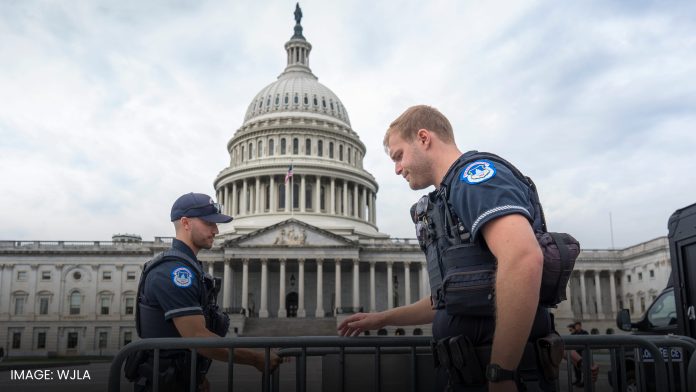
It didn’t take long. As gunshots rang out at the White House Correspondents’ Dinner in Washington, D.C., journalists inside the room scrambled to report facts in real time. Cameras rolled, eyewitness accounts flooded in, and credible outlets worked rapidly to piece together what had just happened. There was no shortage of information, no vacuum waiting to be filled.
And yet, almost instantly, the internet chose a different path.

Within minutes, conspiracy theories erupted across social media platforms. Some claimed the shooting was staged, an elaborate distraction tied to geopolitics or domestic political agendas. Others went further, weaving together fragments of real footage and statements into entirely false narratives that spread like wildfire.
Among the most bizarre twists was the sudden involvement of India in viral claims. Images began circulating online allegedly showing the shooter with an “Indian wife,” complete with a passport as supposed proof. The posts racked up hundreds of thousands—sometimes millions—of views. But investigators and fact-checkers quickly dismantled the claims: the images were AI-generated, the passport contained glaring errors, and no credible source supported the story. Still, the damage was done—the narrative had already taken hold.
Experts say this reaction is almost predictable. In moments of crisis, when information is overwhelming and constantly evolving, people often gravitate toward simpler, more dramatic explanations. Conspiracy theories offer that clarity, even if it’s completely detached from reality. They also provide something else: a sense of participation. People aren’t just consuming news; they feel like they’re uncovering it.

The result is a dangerous paradox. Never before has so much verified information been available so quickly, yet misinformation continues to thrive alongside it. As this incident shows, facts alone aren’t always enough. In the race between truth and virality, the most compelling story often wins—even when it’s entirely false.
Sources: The Express Tribune, PBS