A Race Against Time: 30-Day Deadline for Peace
The conflict between the United States and Iran has entered a critical diplomatic phase, as Tehran submits a comprehensive 14-point proposal aimed at ending the war within 30 days. Unlike Washington’s earlier push for a two-month ceasefire, Iran’s plan emphasizes a fast-tracked, permanent resolution, signaling frustration with temporary pauses that fail to address deeper tensions.
Security First: Troop Withdrawal & No Future Attacks
At the heart of the proposal are major security demands. Iran is calling for binding guarantees against future military aggression, alongside a full withdrawal of U.S. forces from the region. It also seeks an end to hostilities beyond its borders, including conflict zones like Lebanon, positioning the deal as a broader regional reset rather than a narrow bilateral agreement.
Economic Pressure Points: Sanctions, Assets & Blockade
Economic relief forms another major pillar. Tehran is demanding the lifting of all sanctions, both primary and secondary, as well as the release of frozen Iranian assets and an end to the ongoing naval blockade. These measures, Iran argues, are essential not just for recovery but for rebuilding trust in any long-term agreement.
Strategic Stakes: Strait of Hormuz & Nuclear Rights
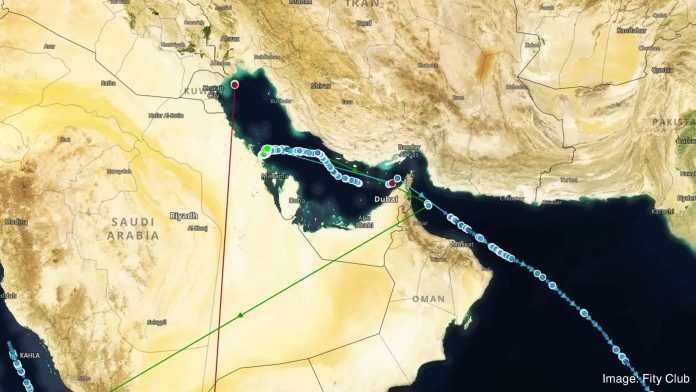
Strategically, one of the most sensitive demands involves the Strait of Hormuz, a critical global oil route. Iran has proposed a new independent mechanism to manage the strait, alongside recognition of its right to continue uranium enrichment. It has also called for reparations, framing the war as having caused measurable economic and infrastructural damage.

Washington’s Dilemma: Deal or Escalation
Despite the sweeping scope of the proposal, the response from Washington remains cautious. President Donald Trump has indicated he will review the plan but has already expressed dissatisfaction, noting that some demands may be unacceptable. With a fragile ceasefire currently holding, the next move could determine whether diplomacy prevails—or if tensions escalate back into full-scale conflict.
Sources: NPR, Al Jazeera, AP News, Tasnim News Agency (reported)