Israel-Lebanon Ceasefire Extended 3 Weeks After Washington Talks

Israel and Lebanon have agreed to extend their fragile ceasefire for another three weeks after high-level talks at the White House. The original 10-day truce, which began last Friday, was set to expire Monday, but both sides chose to continue the pause despite accusations of repeated violations.

The talks are significant because they mark the first direct diplomatic contact between Israel and Lebanon in decades. Officials described the meeting as productive, with Trump saying there is a “very good chance” the two sides could reach a broader peace agreement later this year. The conflict with Hezbollah remains one of the biggest obstacles to long-term stability.

At the same time, tensions remain high across the region. Trump also issued a hardline warning over the Strait of Hormuz, saying any threats or attacks in the strategic waterway would face an immediate military response. The strait is one of the world’s most important oil shipping routes, meaning any escalation could have global economic consequences.

For now, the ceasefire extension offers a temporary pause in fighting, but the wider Middle East remains tense as negotiations continue.

Sources: CNN, L’Orient Today, AP
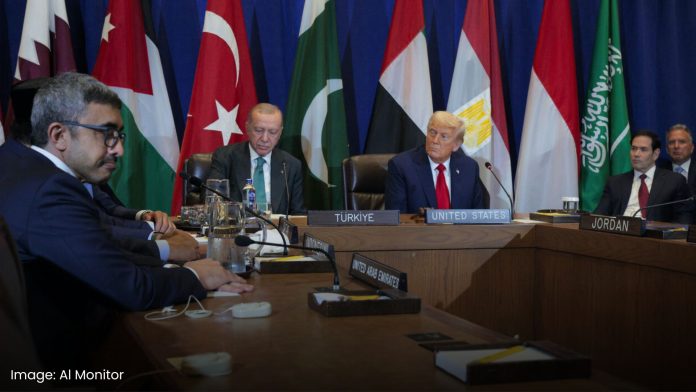
Israel and Lebanon have agreed to extend their fragile ceasefire for another three weeks after high-level talks at the White House. The original 10-day truce, which began last Friday, was set to expire Monday, but both sides chose to continue the pause despite accusations of repeated violations.

The talks are significant because they mark the first direct diplomatic contact between Israel and Lebanon in decades. Officials described the meeting as productive, with Trump saying there is a “very good chance” the two sides could reach a broader peace agreement later this year. The conflict with Hezbollah remains one of the biggest obstacles to long-term stability.

At the same time, tensions remain high across the region. Trump also issued a hardline warning over the Strait of Hormuz, saying any threats or attacks in the strategic waterway would face an immediate military response. The strait is one of the world’s most important oil shipping routes, meaning any escalation could have global economic consequences.

For now, the ceasefire extension offers a temporary pause in fighting, but the wider Middle East remains tense as negotiations continue.

Sources: CNN, L’Orient Today, AP
spot_img

Explore more

spot_img
Global Affairs

Gaza Plan: The Gap Between Commitments and Reality

Rare Earths and the New Geopolitics of US-China Rivalry

Italy’s Hijab Ban: When Does Liberal Freedom Stop Protecting Choice?

From Deterrence to Normalisation: The New Front in Space Security

Gaza’s Dead Are Still Being Found. But How Long Can Justice...

The Far Right Lost Ground in Sweden? But has its Politics...

The New Delhi Declaration: Can BRICS Bridge Its Own Fault Lines?

Political Terrorism Is Rising Fast in the US, and the Country...