The War Ended In Versailles. That Was The Message.
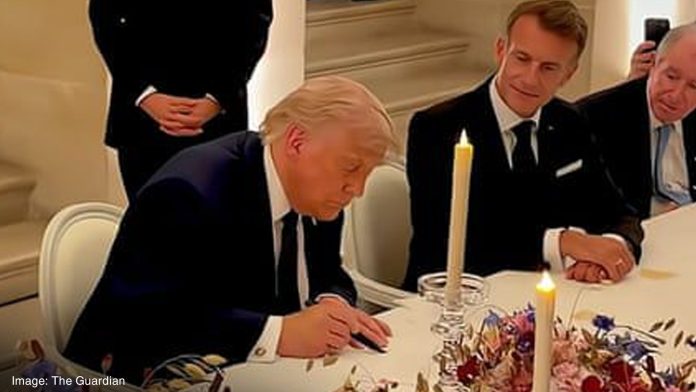
The US-Iran war has been declared over on paper. The agreement was signed at Versailles, with Pakistan and Qatar helping broker one of the most consequential diplomatic moments of the decade.
That location was not just beautiful scenery.
Versailles is one of the most symbolic political stages in the world. It is remembered for empire, monarchy, war settlements, and the 1919 Treaty of Versailles after World War I. Choosing it for the US-Iran signing was meant to make the deal feel historic, permanent, and larger than ordinary diplomacy.
But that symbolism also makes the fragility harder to ignore.
A palace can give the world an image of peace. It cannot guarantee peace itself.
This is not a final settlement. It is a 60-day test.
The memorandum gives Washington and Tehran a temporary window to turn the end of fighting into something more durable. In that period, the Strait of Hormuz is expected to reopen, the US naval blockade is supposed to lift, technical negotiations are expected to continue, and the hardest questions are pushed into the next phase.
That is where the danger begins.
Pakistan And Qatar Helped Broker The Settlement
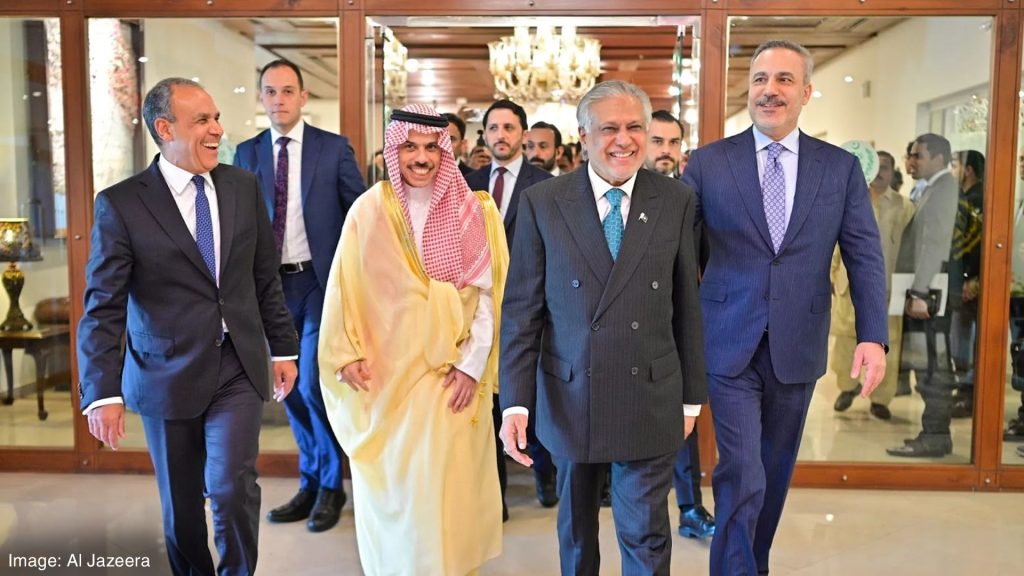
Pakistan and Qatar’s role matters because this pact was not only a US-Iran document. It was also a diplomatic breakthrough shaped by two Muslim-majority states that positioned themselves as mediators during one of the most dangerous regional escalations in years.
For Pakistan, the moment carries unusual geopolitical weight.
A country often framed internationally through crisis, instability, or security concerns helped mediate a framework that could affect global oil routes, Gulf security, Middle East power politics, and US-Iran relations.
That does not mean the deal is secure. But it does mean Pakistan was not merely watching history unfold. It helped move it.
America Is Already Divided Over What Trump Signed
Inside America, the settlement is not being read as a simple peace victory.
Trump can present the signing as the end of the war, but hawks in Washington are already attacking the agreement as a disaster. Their argument is straightforward: the pact does not permanently dismantle Iran’s nuclear infrastructure, does not remove Iran’s missile capability, does not end its regional proxy network, and leaves too much unresolved for later negotiations.
For critics, that means Trump entered the war promising to force Iran into submission, but exited with Iran still holding major leverage.
That is why the American reaction matters. A framework can be signed by presidents, but it still has to survive politics. If US hawks continue framing the agreement as surrender, the next 60 days could become a domestic fight in Washington as much as a diplomatic negotiation with Tehran.
Inside Iran, This Is Being Framed As Survival
Iran is reading the same settlement very differently.
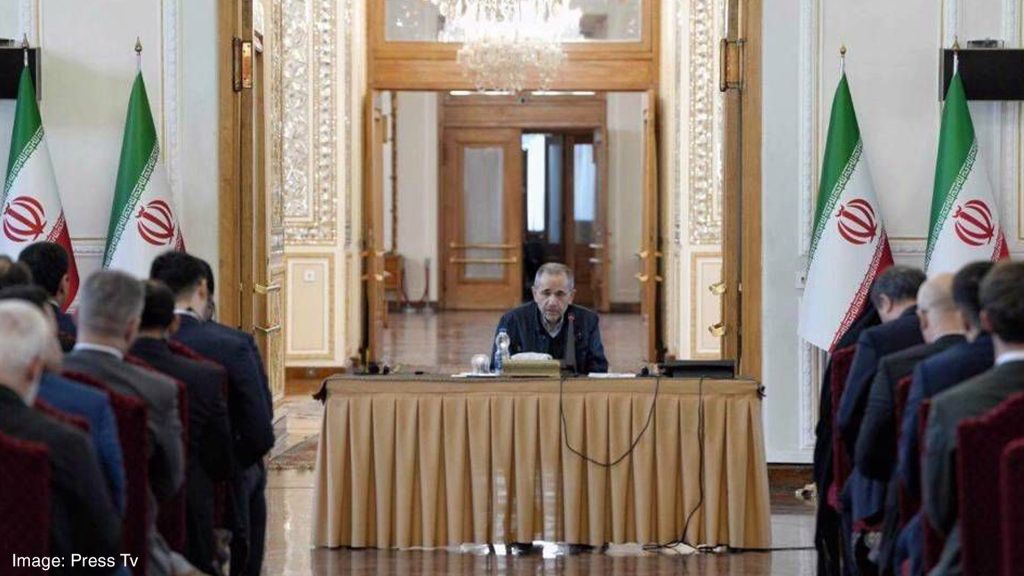
Inside Iran, officials are not presenting the agreement as defeat. They are framing it as survival, leverage, and proof that America failed to impose surrender. Parliament Speaker Mohammad Bagher Ghalibaf called the outcome “a record of US failure” while simultaneously confirming Iran signed.
That reaction is central to the story.
Iran did not walk away saying it had been broken. It walked away saying it had endured the war, preserved leverage, reopened the diplomatic track, and forced the US into a pact without fully resolving the nuclear question, sanctions relief, regional influence, or the future of Hormuz.
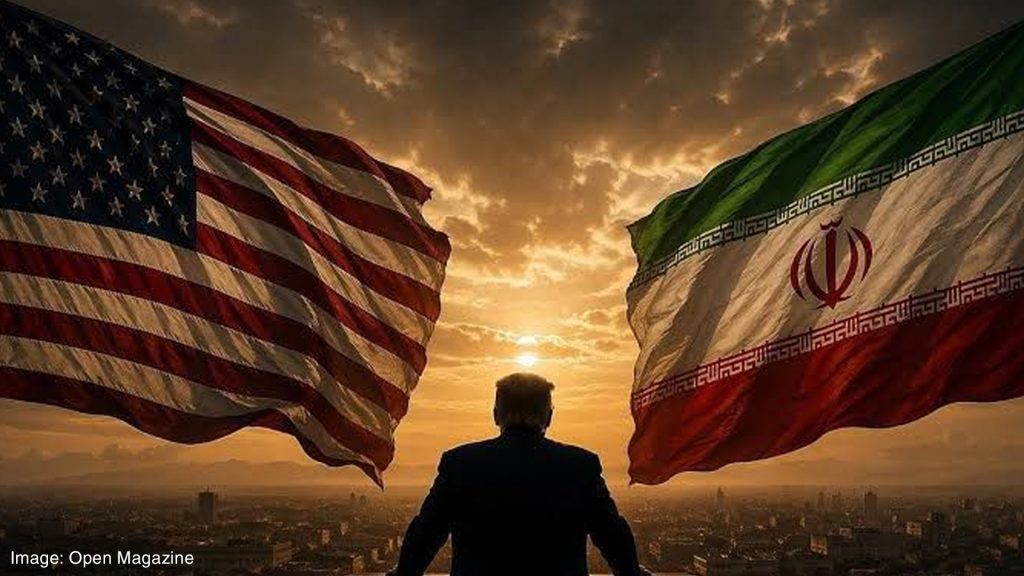
This is why the next phase is so fragile. Washington’s hawks are calling the agreement too weak. Tehran’s officials are calling it proof that America failed. Both sides signed the same document, but they are selling two different political stories.
Hormuz Reopens. But Control Remains Contested.
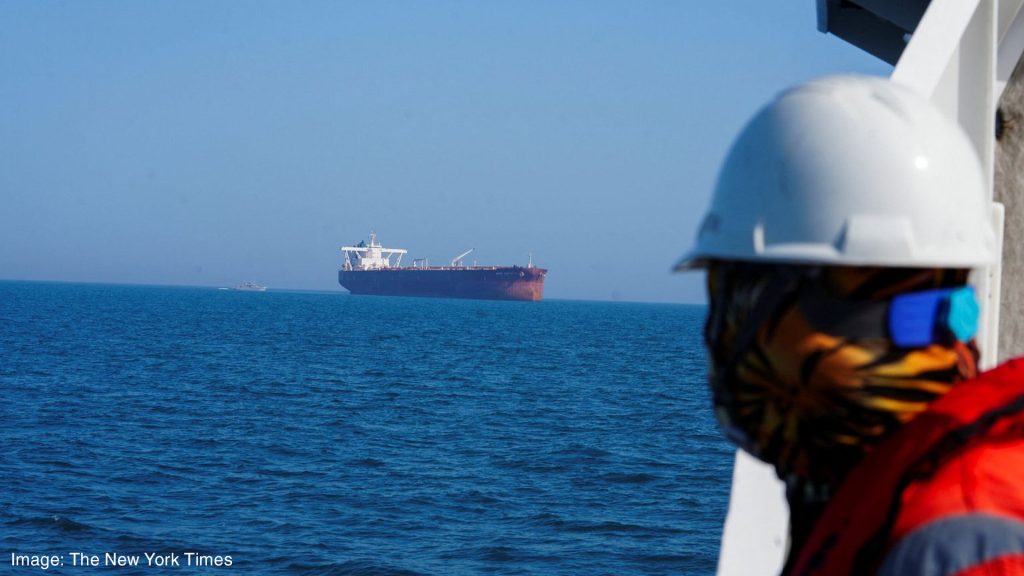
The Strait of Hormuz is one of the biggest pressure points in the entire framework.
For now, Hormuz reopens. That matters because the strait is one of the most important oil and shipping chokepoints in the world. When Hormuz is threatened, energy markets shake far beyond the Middle East.
But reopening the strait does not settle the question of control.
Iran says the strait may not return to pre-war terms after the 60-day period. Tehran has also raised the possibility of fees for passage after the temporary window expires.
That means the war may be paused, but the struggle over the world’s oil highway is still alive.
And when global oil routes remain uncertain, energy prices stay elevated. Core PCE inflation is already at 2.9%, headline CPI at 4.2%, and energy costs jumped 23.5% in May. If Hormuz remains contested after the 60-day window, consumers in Europe, Asia, and North America will face higher heating costs, transportation costs, and food prices through 2026 and into 2027.
The Biggest Disputes Were Pushed Into The Countdown
The settlement stops the fighting, but it does not resolve the deepest disputes.
The nuclear question remains unfinished. Sanctions relief still has to be negotiated. Iran’s regional network remains a major concern for Washington and Isr*el. Enforcement is still uncertain. The role of Lebanon, Hezbollah, and the wider region remains explosive.
That is the real meaning of the 60-day clock.
The pact has bought time. It has not removed the causes of the war.
Isr*el Is Already The First Test
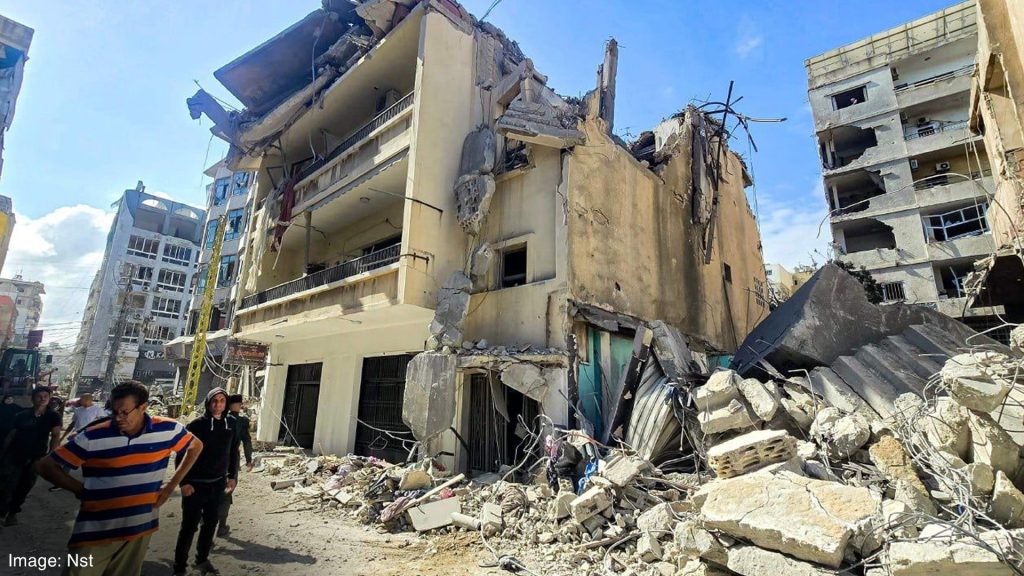
Isr*el was not at the center of the negotiations, and Isr*eli officials are already pushing back against parts of the framework, especially the Lebanon clause. If Isr*el does not consider itself bound by the deal’s language on Lebanon, then Lebanon becomes the first real test of whether this agreement means anything beyond paper.
That is why the headline matters.
Peace was signed in a palace. Iran says America failed. Isr*el is already testing it.
If strikes continue in Lebanon while Washington and Tehran claim the war has ended, the agreement’s promise of regional calm starts cracking almost immediately.
The Next 60 Days Decide Everything
The US-Iran deal is not the end of the story.
It is the countdown.
In the next 60 days, the world will find out whether this settlement can become a real peace framework, or whether it was only a pause between rounds of war.
The palace gave the world a symbol. Pakistan and Qatar helped produce the diplomatic breakthrough. Trump got the signing ceremony. Iran got its survival narrative. American hawks got their accusation of surrender. Isr*el got its first opening to test the limits.
Now the pact has to survive reality.
And reality is where peace deals usually begin to bleed.
By Verity Quill | verumnetwork.com
SOURCES
Al Jazeera — Iran confirms MOU signed electronically
Al Jazeera — World reacts as Iran and US reach deal
NPR — Trump administration releases preliminary agreement with Iran