Should the Internet Be Controlled or Stay Open?

 Content Creation is Becoming Permission-Based, Not Open Expression

Maryam Tariq

CONTENT SHIFT: Internet Expression to Regulation

The internet is changing. What started as open expression is slowly turning into a system where access depends on rules, identity checks, and approval. Instead of anyone posting freely, platforms and governments are now deciding who can speak and what kind of content is allowed.

CHINA MODEL: CREATOR VERIFICATION CONTROL

China is one of the clearest examples of this shift. Under rules from the Cyberspace Administration of China, creators who talk about sensitive areas like finance, law, medicine, or education must show verified qualifications. This means university degrees or professional licenses are required before posting.

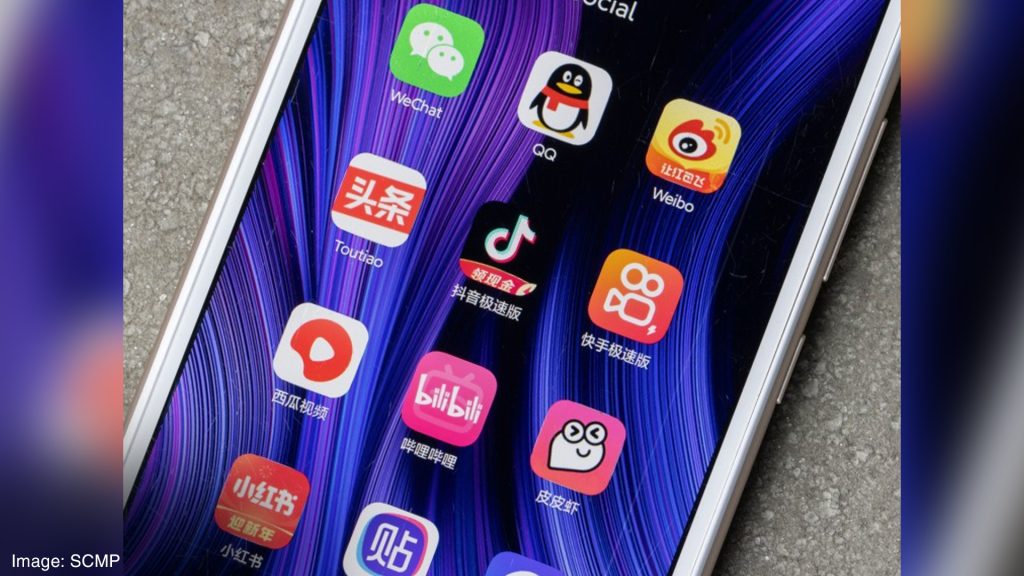
Platforms such as Douyin, Weibo, and Bilibili are legally required to verify creators and record their credentials. If they fail to follow these rules, they can face heavy financial penalties or forced removals.
SCALE OF DIGITAL REGULATION

China has over 1 billion internet users, making its online space one of the largest in the world. With millions of influencers and content creators, even small policy changes affect a huge digital population. Reports show large-scale account removals and content takedowns as part of ongoing regulation efforts.

PLATFORM GOVERNANCE: APPROVAL SYSTEM

This creates a system where content is not just about creativity but about permission. Who you are becomes as important as what you say. Identity verification, professional credentials, and platform approval are now part of the publishing process.

BIG QUESTION: OPEN INTERNET OR CONTROLLED SPACE?

Supporters say this reduces misinformation and protects users from harmful advice. Critics argue it turns the internet into a controlled environment where expression depends on approval rather than openness.

The deeper shift is not just about rules — it is about who gets the right to speak in the digital world.

Sources: Cyberspace Administration of China (CAC) / BBC News  / Reuters / ISH News
 Content Creation is Becoming Permission-Based, Not Open Expression

Maryam Tariq

CONTENT SHIFT: Internet Expression to Regulation

The internet is changing. What started as open expression is slowly turning into a system where access depends on rules, identity checks, and approval. Instead of anyone posting freely, platforms and governments are now deciding who can speak and what kind of content is allowed.

CHINA MODEL: CREATOR VERIFICATION CONTROL

China is one of the clearest examples of this shift. Under rules from the Cyberspace Administration of China, creators who talk about sensitive areas like finance, law, medicine, or education must show verified qualifications. This means university degrees or professional licenses are required before posting.

Platforms such as Douyin, Weibo, and Bilibili are legally required to verify creators and record their credentials. If they fail to follow these rules, they can face heavy financial penalties or forced removals.

SCALE OF DIGITAL REGULATION

China has over 1 billion internet users, making its online space one of the largest in the world. With millions of influencers and content creators, even small policy changes affect a huge digital population. Reports show large-scale account removals and content takedowns as part of ongoing regulation efforts.

PLATFORM GOVERNANCE: APPROVAL SYSTEM

This creates a system where content is not just about creativity but about permission. Who you are becomes as important as what you say. Identity verification, professional credentials, and platform approval are now part of the publishing process.

BIG QUESTION: OPEN INTERNET OR CONTROLLED SPACE?

Supporters say this reduces misinformation and protects users from harmful advice. Critics argue it turns the internet into a controlled environment where expression depends on approval rather than openness.

The deeper shift is not just about rules — it is about who gets the right to speak in the digital world.

Sources: Cyberspace Administration of China (CAC) / BBC News  / Reuters / ISH News

spot_img

Explore more

spot_img
Global Affairs

Middle East Conflict

World Cup 2026

India’s Protest

Alien Conspiracy Theories

FIFA 2026 Controversy:

The Dangerous Rise of Islamophobia

Why Afghanistan and Pakistan Are Fighting

Faith & Politics: How Religion Shapes Conflicts