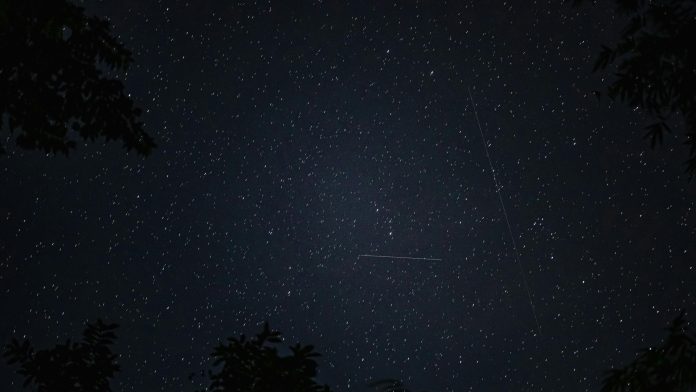
The annual Lyrid meteor shower is active from mid to late April and reaches its strongest display tonight. The meteors appear as Earth passes through dust left behind by Comet Thatcher, whose last recorded visit to the inner solar system was in the 19th century. It is not expected to return again until the 23rd century.
The Lyrids are considered one of the oldest recorded meteor showers in human history, with observations dating back more than 2,500 years in ancient Chinese records. While average rates are modest, the shower is known for occasional outbursts that can dramatically increase meteor counts.
For the best chance of viewing, head to a dark area away from city lights, allow your eyes time to adjust, and look up after midnight through the early morning hours. No telescope is needed.
Sources: Time and Date, Sky News, New York Times, Space.com, Mirror, Times of India