The Rich Are Planning Doomsday Escapes.

The Future Is Being Sold As Progress

The richest people in the world keep selling the public a future of progress. Rockets. Space colonies. Artificial intelligence. Smarter cities. Faster systems. Bigger dreams. But underneath that optimism, another story is being built.

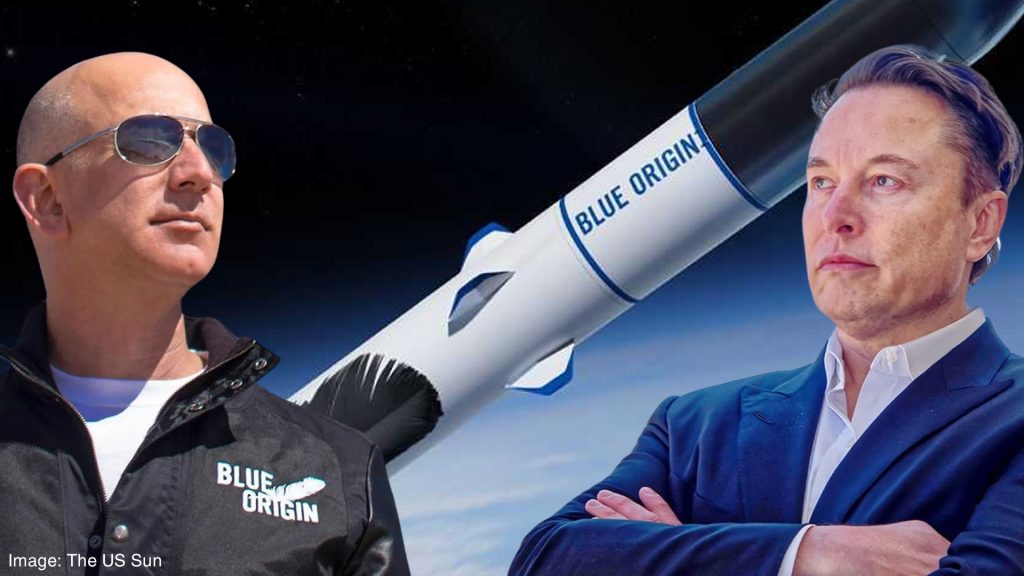
Some of the world’s most powerful billionaires are looking beyond Earth. Elon Musk has built SpaceX around the idea of making humanity multiplanetary. Jeff Bezos has spent years talking about millions of people living and working in space through Blue Origin’s longer-term vision. The public pitch is survival, expansion and human progress.

But the pattern is harder to ignore now. Some are looking upward. Others are digging down.

The Escape Plan Has Two Directions

The billionaire future no longer looks like one direction. It looks like two. One version points to rockets, orbital habitats and life beyond the planet. The other points beneath private land, government buildings and fortified compounds.

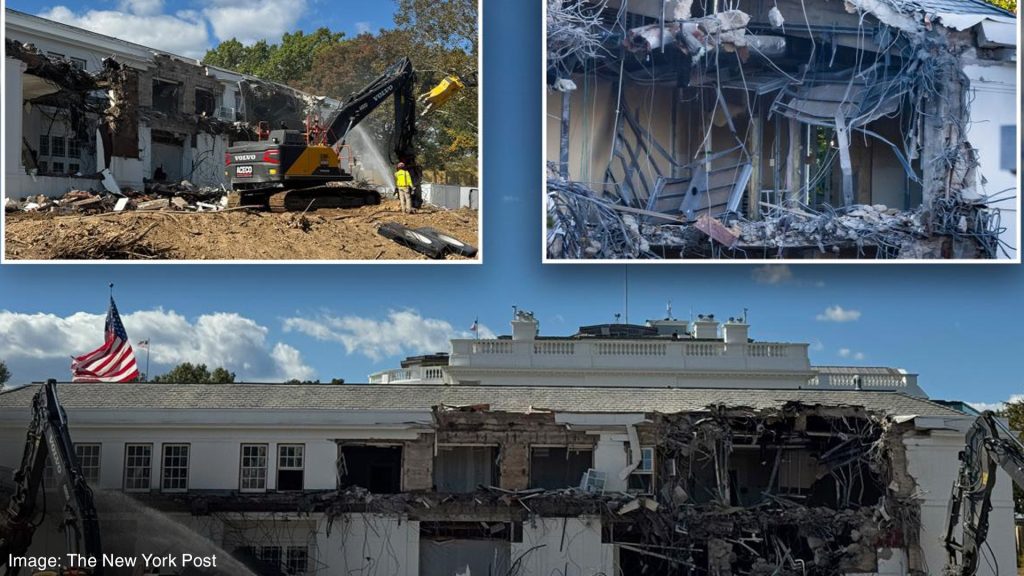
At the White House, the East Wing was demolished in October 2025 to make way for a $400 million ballroom project. What went up is visible to everyone. What went down is not.

CNN reported in January 2026 that the Presidential Emergency Operations Center, the classified bunker built during World War II, was dismantled during the demolition. In its place, a new and larger classified bunker is being constructed beneath the ballroom. White House officials told the National Capital Planning Commission that aspects of the underground project are of “top-secret nature.” Trump himself referenced plans for an underground hospital. Officials bypassed standard planning approval, citing national security. The public is funding the construction. The public will not be told what is inside.

Above ground, spectacle. Below ground, something the government will not name.
Zuckerberg Called It A Little Shelter

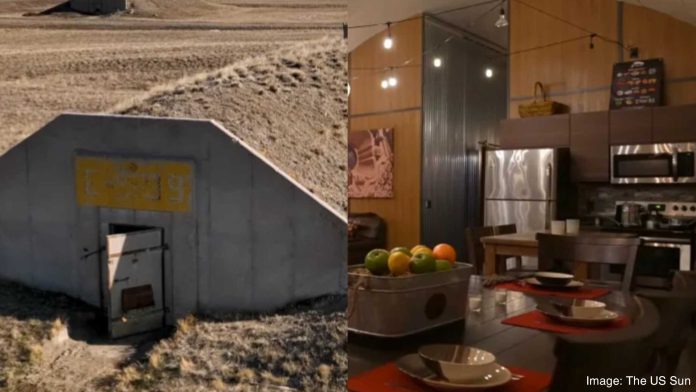
Then there is Mark Zuckerberg’s compound in Kauai. WIRED has reported that Zuckerberg’s Hawaiian estate includes an underground shelter connected by tunnel, with blast-resistant doors, an escape hatch and its own infrastructure. People, summarising WIRED and Zuckerberg’s own comments, reported the shelter is about 5,000 square feet and that Zuckerberg downplayed it as “a little shelter” and “basically a basement.”

That line is why the story travels. A basement is where people store boxes. This is a shelter with reinforced doors, its own power, its own water supply and an escape route built into the ground.

WIRED also reported that Zuckerberg’s Kauai holdings expanded beyond 2,300 acres and that part of the estate sits on land containing Native Hawaiian burial sites. A local descendant spent months seeking permission to visit the graves of his great-grandmother and her brother buried on the land. He cannot visit them freely now. The workers who built the shelter signed non-disclosure agreements. If anything else was found during the digging, the island may never know.

So the bunker story is not only about rich people preparing for disaster. It is also about land, power, silence and who gets pushed outside the walls.

Even Doomsday Has A Luxury Tier

For ordinary people, collapse means fear. For the ultra-rich, it can mean filtered air, private power, stocked food, blast doors, water systems and rooms built to outlast panic. The market for elite survival does not sell candles and canned beans. It sells comfort after collapse. It turns the end of the world into architecture.

The same class selling everyone else disruption is also buying insulation from it.

What Are They Preparing For

Maybe it is just insurance. The rich insure everything. Their homes, companies, planes, art and futures. But a bunker is a strange kind of insurance. It is not protection from fire or flood. It is protection from the world outside the gate.

AI is already part of that fear. Anthropic CEO Dario Amodei told Axios that AI could eliminate half of all entry-level white-collar jobs within five years and push unemployment to between 10 and 20 percent. He named specific fields: finance, law, consulting, tech. He said the disruption would not hit one industry at a time but simultaneously, leaving workers with nowhere to move. “Most of them are unaware that this is about to happen,” he said.

The warning matters because it comes from inside the industry building the technology. The people racing toward the future are also warning that the future may leave millions behind. And the men building that future are also the ones building the exits.

History Has Seen This Before

They are not the first. In the summer of 1789, the wealth gap in France had been growing for decades. The aristocracy built walls, hired guards and told themselves their position was permanent. Then a Paris crowd tore down the Bastille and everything changed within days. The king’s youngest brother fled France believing he would return within months. He never did. The great families scattered across Europe, to London, Turin and Koblenz, certain someone would hand the old order back.

The duc who had owned an entire province ended up copying sheet music by the page to survive. The comtesse who had curtsied to the Prince of Wales as an equal now sold him ices from a cafe she ran with her own hands. France eventually passed a law: return, and you would be dead within a day of arrest. The palaces they abandoned are museums today.

The Russian nobility ran the same way in 1917. The Bolsheviks abolished their titles and handed their estates to the peasants. Those who escaped carried jewels sewn into coat linings. Men who had been princes drove taxis through Paris at night. Women who had been waited on sewed dresses in the back rooms of shops. So many jewels flooded the market that the price of a diamond collapsed to nothing.

One of them, a woman who had owned everything, was asked how she had ended up with nothing. She said: “You see, I had always had everything.” It had never occurred to her that the having could stop.

Nick Hanauer, the early Amazon investor, wrote to his fellow billionaires in 2014 and named this pattern directly. No society in history has let a wealth gap grow this wide and closed it in peace, he warned. “It’s not if, it’s when.” He named the shape of what he saw coming: a revolution like France in 1789. Ray Dalio, who built the largest hedge fund on earth, warned of the same reckoning.

The billionaires building bunkers in 2026 have read those warnings. Some of them wrote them. They may fear a revolution. They may fear the planet itself. They may fear the wars already reshaping the world, or the AI unemployment wave their own industry is building toward. Perhaps all of these at once. But whatever they fear, they have made their bet. They are digging.

The Bunkers Say The Quiet Part

When powerful people believe in the future, they build institutions. When they fear the future, they build exits.

History’s palaces are museums now. Every one of them was built by someone who chose the wall, who looked at the people below and saw a danger to flee rather than a covenant to keep.

A bunker is a strange thing to build when you keep telling everyone the future is fine.

By Shizza Farooqui

Sources

Jermaine Fowler / The Humanity Archive (Substack) | CNN | Newsweek | NPR | WIRED | Axios | AP | Reuters | People | Business Insider

The Future Is Being Sold As Progress

The richest people in the world keep selling the public a future of progress. Rockets. Space colonies. Artificial intelligence. Smarter cities. Faster systems. Bigger dreams. But underneath that optimism, another story is being built.

Some of the world’s most powerful billionaires are looking beyond Earth. Elon Musk has built SpaceX around the idea of making humanity multiplanetary. Jeff Bezos has spent years talking about millions of people living and working in space through Blue Origin’s longer-term vision. The public pitch is survival, expansion and human progress.

But the pattern is harder to ignore now. Some are looking upward. Others are digging down.

The Escape Plan Has Two Directions

The billionaire future no longer looks like one direction. It looks like two. One version points to rockets, orbital habitats and life beyond the planet. The other points beneath private land, government buildings and fortified compounds.

At the White House, the East Wing was demolished in October 2025 to make way for a $400 million ballroom project. What went up is visible to everyone. What went down is not.

CNN reported in January 2026 that the Presidential Emergency Operations Center, the classified bunker built during World War II, was dismantled during the demolition. In its place, a new and larger classified bunker is being constructed beneath the ballroom. White House officials told the National Capital Planning Commission that aspects of the underground project are of “top-secret nature.” Trump himself referenced plans for an underground hospital. Officials bypassed standard planning approval, citing national security. The public is funding the construction. The public will not be told what is inside.

Above ground, spectacle. Below ground, something the government will not name.
Zuckerberg Called It A Little Shelter

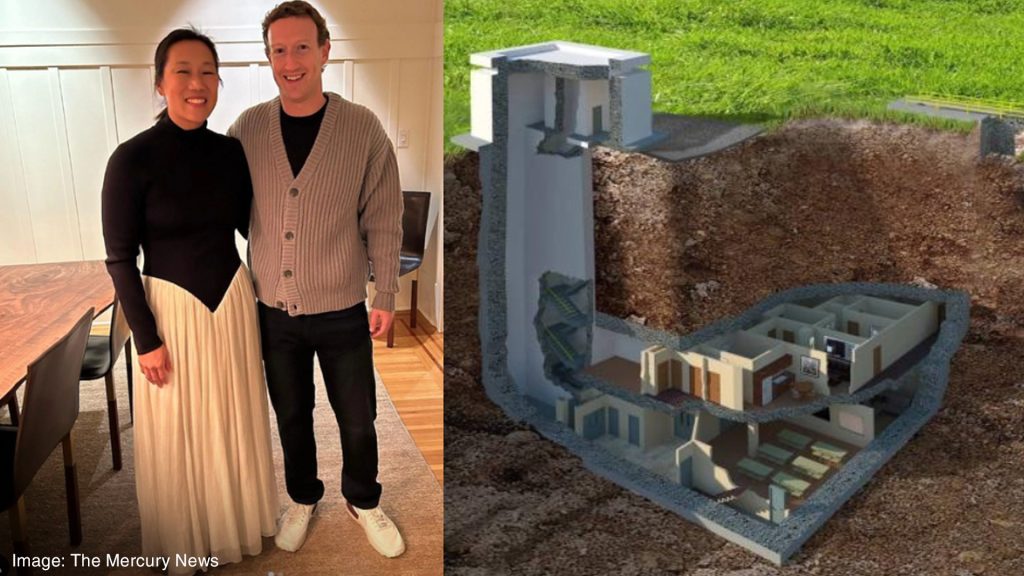
Then there is Mark Zuckerberg’s compound in Kauai. WIRED has reported that Zuckerberg’s Hawaiian estate includes an underground shelter connected by tunnel, with blast-resistant doors, an escape hatch and its own infrastructure. People, summarising WIRED and Zuckerberg’s own comments, reported the shelter is about 5,000 square feet and that Zuckerberg downplayed it as “a little shelter” and “basically a basement.”

That line is why the story travels. A basement is where people store boxes. This is a shelter with reinforced doors, its own power, its own water supply and an escape route built into the ground.

WIRED also reported that Zuckerberg’s Kauai holdings expanded beyond 2,300 acres and that part of the estate sits on land containing Native Hawaiian burial sites. A local descendant spent months seeking permission to visit the graves of his great-grandmother and her brother buried on the land. He cannot visit them freely now. The workers who built the shelter signed non-disclosure agreements. If anything else was found during the digging, the island may never know.

So the bunker story is not only about rich people preparing for disaster. It is also about land, power, silence and who gets pushed outside the walls.
Even Doomsday Has A Luxury Tier

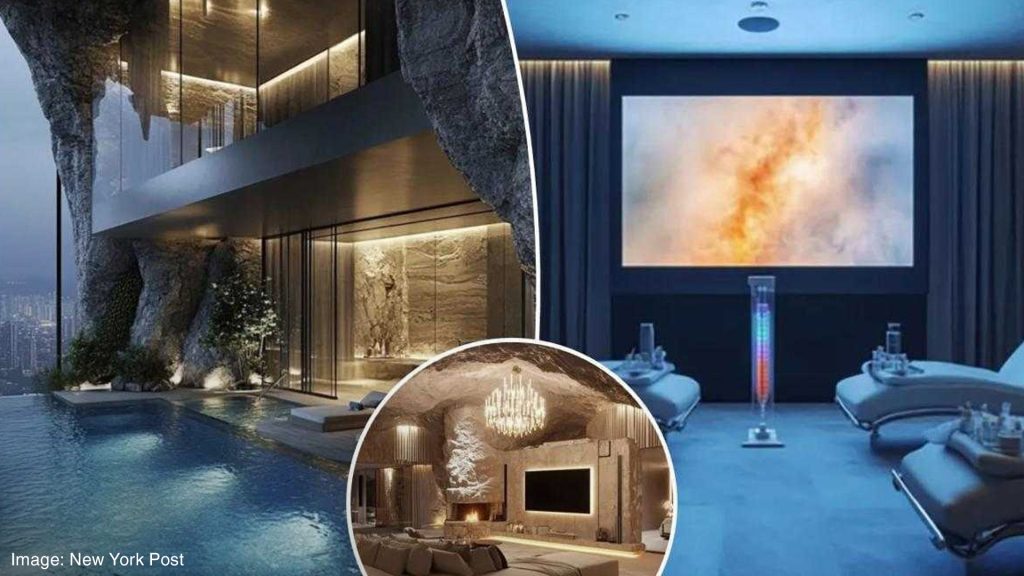
For ordinary people, collapse means fear. For the ultra-rich, it can mean filtered air, private power, stocked food, blast doors, water systems and rooms built to outlast panic. The market for elite survival does not sell candles and canned beans. It sells comfort after collapse. It turns the end of the world into architecture.

The same class selling everyone else disruption is also buying insulation from it.

What Are They Preparing For

Maybe it is just insurance. The rich insure everything. Their homes, companies, planes, art and futures. But a bunker is a strange kind of insurance. It is not protection from fire or flood. It is protection from the world outside the gate.

AI is already part of that fear. Anthropic CEO Dario Amodei told Axios that AI could eliminate half of all entry-level white-collar jobs within five years and push unemployment to between 10 and 20 percent. He named specific fields: finance, law, consulting, tech. He said the disruption would not hit one industry at a time but simultaneously, leaving workers with nowhere to move. “Most of them are unaware that this is about to happen,” he said.

The warning matters because it comes from inside the industry building the technology. The people racing toward the future are also warning that the future may leave millions behind. And the men building that future are also the ones building the exits.
History Has Seen This Before

They are not the first. In the summer of 1789, the wealth gap in France had been growing for decades. The aristocracy built walls, hired guards and told themselves their position was permanent. Then a Paris crowd tore down the Bastille and everything changed within days. The king’s youngest brother fled France believing he would return within months. He never did. The great families scattered across Europe, to London, Turin and Koblenz, certain someone would hand the old order back.

The duc who had owned an entire province ended up copying sheet music by the page to survive. The comtesse who had curtsied to the Prince of Wales as an equal now sold him ices from a cafe she ran with her own hands. France eventually passed a law: return, and you would be dead within a day of arrest. The palaces they abandoned are museums today.

The Russian nobility ran the same way in 1917. The Bolsheviks abolished their titles and handed their estates to the peasants. Those who escaped carried jewels sewn into coat linings. Men who had been princes drove taxis through Paris at night. Women who had been waited on sewed dresses in the back rooms of shops. So many jewels flooded the market that the price of a diamond collapsed to nothing.

One of them, a woman who had owned everything, was asked how she had ended up with nothing. She said: “You see, I had always had everything.” It had never occurred to her that the having could stop.

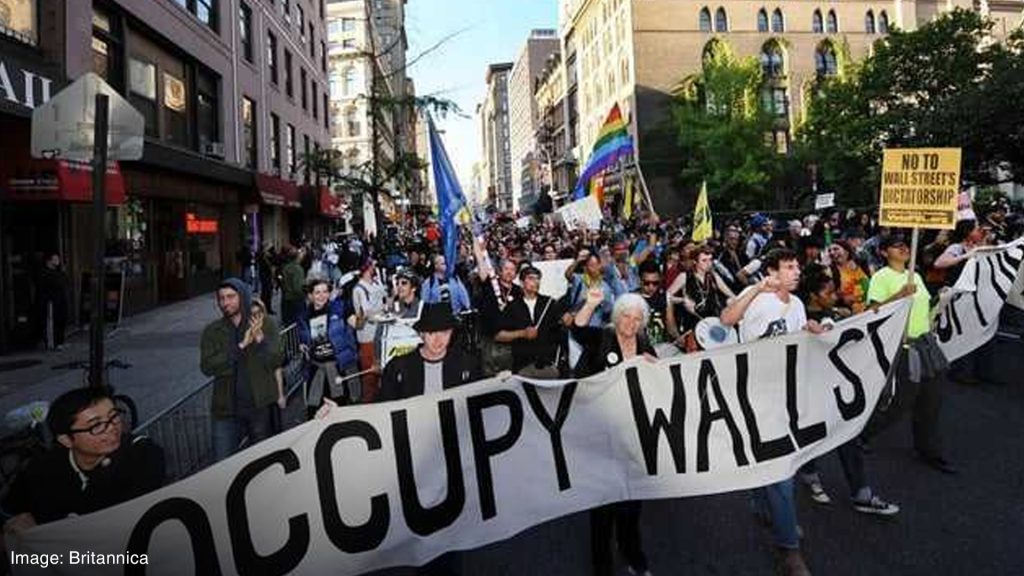
Nick Hanauer, the early Amazon investor, wrote to his fellow billionaires in 2014 and named this pattern directly. No society in history has let a wealth gap grow this wide and closed it in peace, he warned. “It’s not if, it’s when.” He named the shape of what he saw coming: a revolution like France in 1789. Ray Dalio, who built the largest hedge fund on earth, warned of the same reckoning.

The billionaires building bunkers in 2026 have read those warnings. Some of them wrote them. They may fear a revolution. They may fear the planet itself. They may fear the wars already reshaping the world, or the AI unemployment wave their own industry is building toward. Perhaps all of these at once. But whatever they fear, they have made their bet. They are digging.

The Bunkers Say The Quiet Part

When powerful people believe in the future, they build institutions. When they fear the future, they build exits.

History’s palaces are museums now. Every one of them was built by someone who chose the wall, who looked at the people below and saw a danger to flee rather than a covenant to keep.

A bunker is a strange thing to build when you keep telling everyone the future is fine.

By Shizza Farooqui

Sources

Jermaine Fowler / The Humanity Archive (Substack) | CNN | Newsweek | NPR | WIRED | Axios | AP | Reuters | People | Business Insider
spot_img

Explore more

spot_img
Global Affairs

Isr*el Is Burning Lebanon From The Sky

Saudi Arabia Just Dug Up The Words Of Islam’s Second Caliph,...

The Most Hostile World Cup Ever

The Ceasefire Died Near Hormuz Last Night.

Your Closest Ally Is Spying On You.

AJK Is At A Crossroads. What Happens Next?

Pakistan’s Next Flood Is Already Forming.