
What You Type Into AI May One Day Be Read In Court

A Murder Case With A New Kind Of Evidence

A murder case in Florida is exposing a privacy question millions of AI users have barely thought about: what happens when something typed into a chatbot becomes part of a criminal investigation?

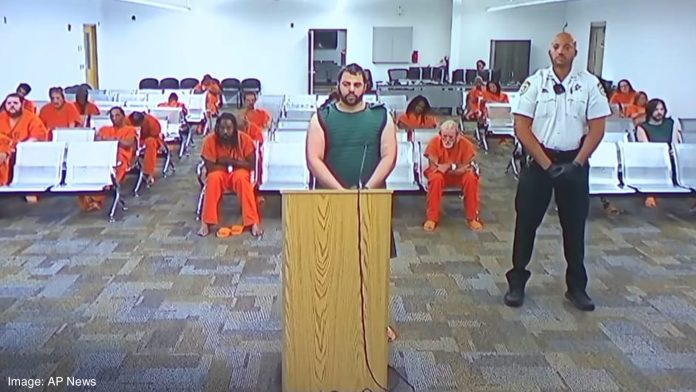
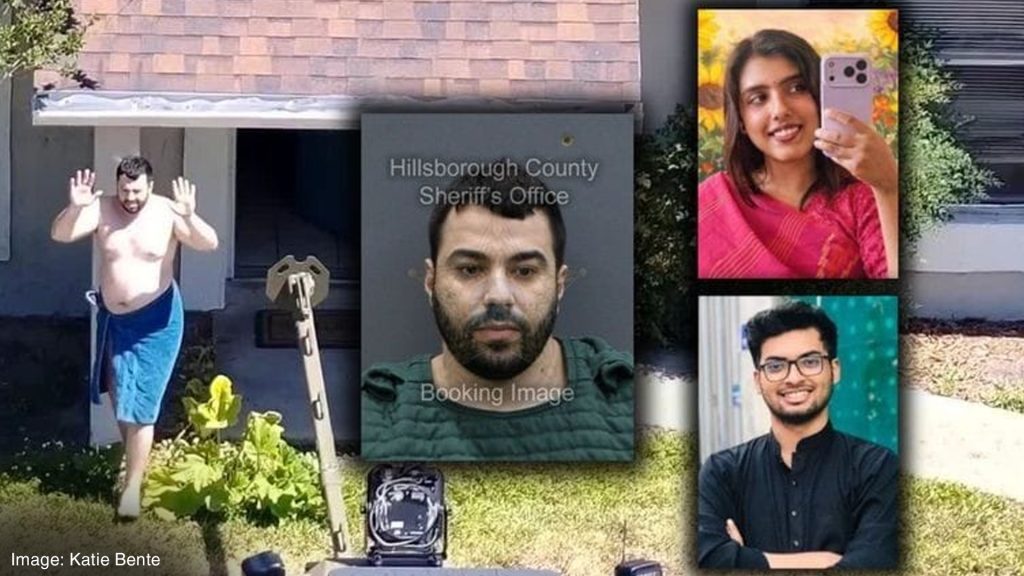
Prosecutors say 26-year-old Hisham Abugharbieh, a former University of South Florida student, used ChatGPT before and after two Bangladeshi doctoral students disappeared in April. He has been charged with two counts of first-degree murder with a weapon in the deaths of Zamil Limon and Nahida Bristy, both 27. He pleaded not guilty on May 18, 2026, entering a written plea through his attorneys. A jury trial is scheduled for November 2027. Prosecutors are seeking the death penalty.

According to court filings reported by ABC News, Abugharbieh asked ChatGPT what would happen if a human body were put in a black garbage bag and thrown in a dumpster. ChatGPT warned him it sounded dangerous. He typed back: “How would they find out.” He also asked about changing a vehicle identification number, gun rules, whether neighbours would hear a gun, and what “missing endangered adult” meant.

The Victims Were Two Doctoral Students From Bangladesh

Zamil Limon and Nahida Bristy were both doctoral students at the University of South Florida. Limon studied geography, environmental science and policy. Bristy studied chemical engineering. They came from Bangladesh on student visas, building toward futures their families had crossed the world to make possible.

The two were last seen alive on April 16. Limon’s body was found near the Howard Frankland Bridge in Tampa. Bristy’s remains were recovered from nearby waterways. On May 8, the university held graduation. Two chairs sat empty. Their degrees were awarded posthumously.

Investigators say physical evidence, phone data, location records and the ChatGPT conversation logs became part of the case. The chatbot conversations were not the whole investigation. They were part of a wider trail that led prosecutors directly to the accused.

Your AI Chat May Not Be A Private Diary

The bigger issue is not what one accused suspect allegedly typed. It is what this case reveals about how people use AI.

Millions of users now treat chatbots like private notebooks. They ask for emotional advice, health guidance, business plans, legal questions, relationship help, fears, secrets and thoughts they may never say out loud. The interface feels intimate. It looks like a one-on-one conversation.
But legally, it may not stay that way.

As reported by WUSF, chatbot records, like texts, emails and search histories, can be obtained by law enforcement during investigations. That does not mean any agency can casually read every AI chat. It does mean chatbot records may be stored, reviewed or disclosed when investigators obtain valid legal process.

The Privacy Problem Is Bigger Than One Case

The Florida case is landing at the same time AI privacy is already under pressure.

Two months apart. Two countries. Same company. Same question: who can read what you type?

In May 2026, Canada’s federal privacy commissioner and three provincial privacy authorities said OpenAI had violated federal and provincial privacy laws during the early development and operation of ChatGPT. The regulators said OpenAI collected large amounts of personal information from the internet without valid consent, including potentially sensitive information such as health details, political views and children’s data. Many people were never properly informed about how their information was collected or used.

OpenAI has committed to changes in Canada, including clearer notices about how chats may be reviewed and warnings to users not to share sensitive information.

AI Is Not A Confessional Booth

This story is not proof that AI caused a crime. It is also not proof that chatbot companies are handing every conversation to police. The verified concern is more precise, and more useful: AI conversations can become evidence.
That should change how users think about these tools.

A chatbot may feel like a diary, a therapist, a lawyer, a friend or a search engine. But it is still a digital system run by a company, governed by policies, storage practices, legal obligations and court orders.

The question is no longer just what AI can answer. The question is what AI remembers, who can access it, and whether users understand the risk before they type.

SOURCESABC News | NBC News | WUSF | WUSF — Not Guilty Plea | Fox 13 Tampa Bay | Office of the Privacy Commissioner of Canada
A Murder Case With A New Kind Of Evidence

A murder case in Florida is exposing a privacy question millions of AI users have barely thought about: what happens when something typed into a chatbot becomes part of a criminal investigation?

Prosecutors say 26-year-old Hisham Abugharbieh, a former University of South Florida student, used ChatGPT before and after two Bangladeshi doctoral students disappeared in April. He has been charged with two counts of first-degree murder with a weapon in the deaths of Zamil Limon and Nahida Bristy, both 27. He pleaded not guilty on May 18, 2026, entering a written plea through his attorneys. A jury trial is scheduled for November 2027. Prosecutors are seeking the death penalty.

According to court filings reported by ABC News, Abugharbieh asked ChatGPT what would happen if a human body were put in a black garbage bag and thrown in a dumpster. ChatGPT warned him it sounded dangerous. He typed back: “How would they find out.” He also asked about changing a vehicle identification number, gun rules, whether neighbours would hear a gun, and what “missing endangered adult” meant.

The Victims Were Two Doctoral Students From Bangladesh

Zamil Limon and Nahida Bristy were both doctoral students at the University of South Florida. Limon studied geography, environmental science and policy. Bristy studied chemical engineering. They came from Bangladesh on student visas, building toward futures their families had crossed the world to make possible.

The two were last seen alive on April 16. Limon’s body was found near the Howard Frankland Bridge in Tampa. Bristy’s remains were recovered from nearby waterways. On May 8, the university held graduation. Two chairs sat empty. Their degrees were awarded posthumously.

Investigators say physical evidence, phone data, location records and the ChatGPT conversation logs became part of the case. The chatbot conversations were not the whole investigation. They were part of a wider trail that led prosecutors directly to the accused.

Your AI Chat May Not Be A Private Diary

The bigger issue is not what one accused suspect allegedly typed. It is what this case reveals about how people use AI.

Millions of users now treat chatbots like private notebooks. They ask for emotional advice, health guidance, business plans, legal questions, relationship help, fears, secrets and thoughts they may never say out loud. The interface feels intimate. It looks like a one-on-one conversation.

But legally, it may not stay that way.

As reported by WUSF, chatbot records, like texts, emails and search histories, can be obtained by law enforcement during investigations. That does not mean any agency can casually read every AI chat. It does mean chatbot records may be stored, reviewed or disclosed when investigators obtain valid legal process.

The Privacy Problem Is Bigger Than One Case

The Florida case is landing at the same time AI privacy is already under pressure.

Two months apart. Two countries. Same company. Same question: who can read what you type?

In May 2026, Canada’s federal privacy commissioner and three provincial privacy authorities said OpenAI had violated federal and provincial privacy laws during the early development and operation of ChatGPT. The regulators said OpenAI collected large amounts of personal information from the internet without valid consent, including potentially sensitive information such as health details, political views and children’s data. Many people were never properly informed about how their information was collected or used.

OpenAI has committed to changes in Canada, including clearer notices about how chats may be reviewed and warnings to users not to share sensitive information.

AI Is Not A Confessional Booth

This story is not proof that AI caused a crime. It is also not proof that chatbot companies are handing every conversation to police. The verified concern is more precise, and more useful: AI conversations can become evidence.

That should change how users think about these tools.

A chatbot may feel like a diary, a therapist, a lawyer, a friend or a search engine. But it is still a digital system run by a company, governed by policies, storage practices, legal obligations and court orders.

The question is no longer just what AI can answer. The question is what AI remembers, who can access it, and whether users understand the risk before they type.

SOURCESABC News | NBC News | WUSF | WUSF — Not Guilty Plea | Fox 13 Tampa Bay | Office of the Privacy Commissioner of Canada

spot_img

Explore more

spot_img
Global Affairs

China Has Written Uyghur Erasure Into Law.

Christopher Nolan Filmed The Odyssey On Occupied Land. Behind It Sits...

From Teen Suicide To Fake Nudes: The Human Cost Of The...

She Was Blinded At 14. Bollywood Called It “Limited Damage.”

Isr*el’s Sexual Abuse Crisis Is Not A Scandal. It Is A...

Qualified, Shortlisted, Then Shut Out: Black Doctors In The UK Face...

Behind Messi’s Silence On Gaza Lies A Web Of Isr*eli Ties

The Fight For Jerusalem Begins With Who Controls Its Story