

Women Declare #IAmJaneDoe in Solidarity With Cornell Accuser

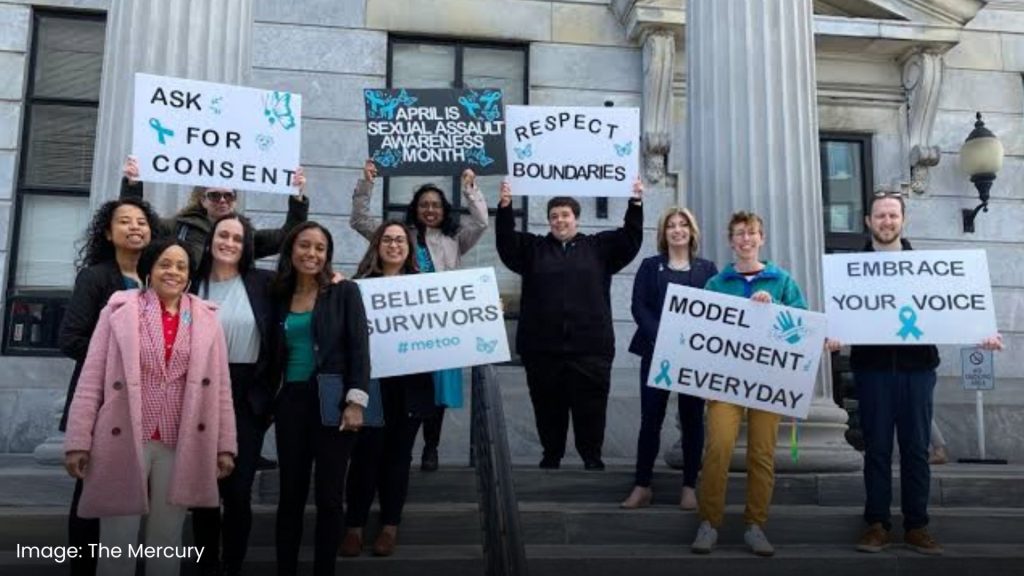
Women across the United States are using the hashtag #IAmJaneDoe to stand in solidarity with a former Cornell University student who alleges she was sexu*lly assaulted by several fraternity members in 2024. The campaign has gained attention as the woman faces online efforts to uncover her identity, despite legal protections allowing her to remain anonymous. Supporters say the movement is about more than one case: it is a call to respect survivors’ privacy, challenge victim-shaming and demand accountability from institutions responsible for student safety.

The Allegations

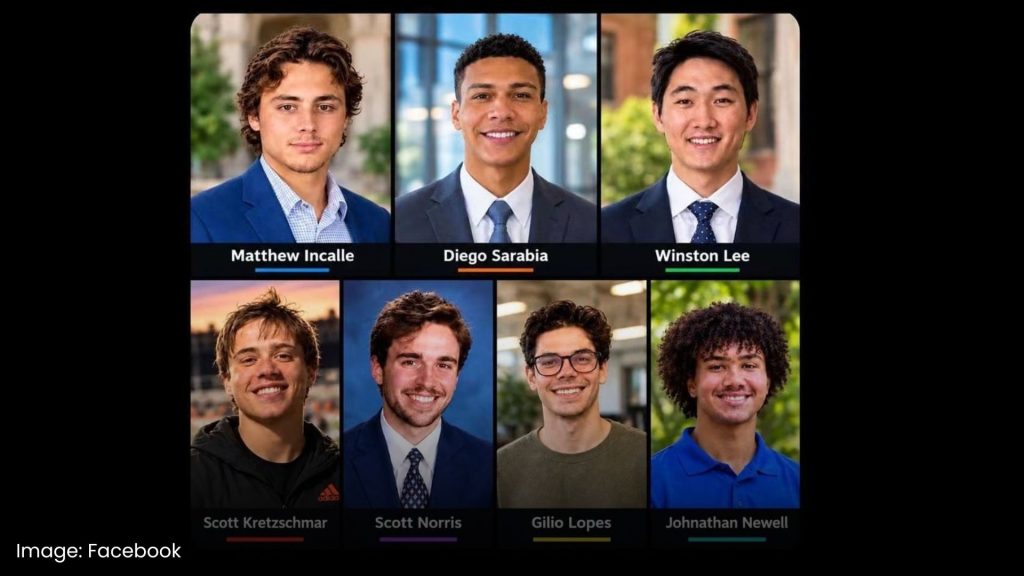
The woman, who was 20 at the time of the alleged incident, filed a civil lawsuit on September 16, 2026, against seven fraternity members, Cornell University and other parties. The lawsuit concerns an alleged assault at the Chi Phi fraternity house in Ithaca, New York, in October 2024. The allegations have prompted renewed scrutiny of how the incident was investigated and how the university responded.

The claims remain allegations, and the accused men have denied wrongdoing. A civil lawsuit is not itself a finding of criminal guilt. However, the case has become the focus of wider public concern over consent, campus sexu*l viol*nce and the treatment of people who report ab*se.

The Meaning Behind #IAmJaneDoe

Women joining the campaign are publicly adopting the phrase “I Am Jane Doe” to express solidarity without claiming to be the individual involved in the case. Some participants have referred to their own experiences of sexu*l assault, explaining that survivors can feel isolated when they speak out.

Writer and actor Twanna LaTrice Hill said she wanted the woman to have the freedom to identify herself in her own time, if she ever chooses to do so. Other supporters have used the hashtag to remind survivors that they are not alone and that speaking publicly should remain a personal decision, not something imposed by online pressure.

The campaign does not establish whether the allegations are true or determine legal responsibility. Instead, its central message concerns dignity, privacy and the right of a person to decide how much of their experience they share publicly.

Renewed Scrutiny of the Investigation

The case has also prompted action from New York officials. After the civil lawsuit was filed, prosecutors reopened a criminal investigation that had initially been closed without charges. Governor Kathy Hochul appointed state Attorney General Letitia James as special prosecutor and criticised aspects of the earlier handling of the allegations.

Cornell has defended its handling of the matter, while the case has renewed questions about how sexu*l assault reports are investigated and how universities balance disciplinary procedures with fair processes for everyone involved.

The broader context is troubling. Reuters reported that 35% of undergraduate women at Cornell said they had experienced nonconsensual sexual contact involving force or incapacitation since arriving on campus, according to a university survey published in 2025. That figure was up from 20% in 2021. The survey results highlight the importance of effective prevention, clear reporting procedures and support for students.
Beyond One Case

The #IAmJaneDoe campaign has become a broader conversation about sexu*l violence, online harassment and institutional accountability. Supporters argue that survivors should not have to endure public exposure simply because they report an assault. At the same time, allegations must be investigated fairly, evidence must be assessed carefully, and the rights of all parties must be respected.

At its core, the message is simple: protecting a person’s privacy is not the same as deciding the outcome of a case. The campaign calls for a process in which allegations can be investigated without turning the person who reports them into a target of online speculation.

For many participants, standing with Jane Doe means defending her right to privacy while the legal process continues and making clear that survivors should be able to seek accountability without being forced into the public spotlight.

Reference

https://www.bbc.com/news/articles/c6ly0ljypzrdo
https://www.straitstimes.com/world/united-states/gang-rape-case-at-cornell-university-exposes-sexual-violence-at-us-colleges
https://www.reuters.com/legal/government/women-declare-iamjanedoe-solidarity-with-cornell-university-rape-accuser-2026-10-03

Women across the United States are using the hashtag #IAmJaneDoe to stand in solidarity with a former Cornell University student who alleges she was sexu*lly assaulted by several fraternity members in 2024. The campaign has gained attention as the woman faces online efforts to uncover her identity, despite legal protections allowing her to remain anonymous. Supporters say the movement is about more than one case: it is a call to respect survivors’ privacy, challenge victim-shaming and demand accountability from institutions responsible for student safety.

The Allegations

The woman, who was 20 at the time of the alleged incident, filed a civil lawsuit on September 16, 2026, against seven fraternity members, Cornell University and other parties. The lawsuit concerns an alleged assault at the Chi Phi fraternity house in Ithaca, New York, in October 2024. The allegations have prompted renewed scrutiny of how the incident was investigated and how the university responded.

The claims remain allegations, and the accused men have denied wrongdoing. A civil lawsuit is not itself a finding of criminal guilt. However, the case has become the focus of wider public concern over consent, campus sexu*l viol*nce and the treatment of people who report ab*se.

The Meaning Behind #IAmJaneDoe

Women joining the campaign are publicly adopting the phrase “I Am Jane Doe” to express solidarity without claiming to be the individual involved in the case. Some participants have referred to their own experiences of sexu*l assault, explaining that survivors can feel isolated when they speak out.

Writer and actor Twanna LaTrice Hill said she wanted the woman to have the freedom to identify herself in her own time, if she ever chooses to do so. Other supporters have used the hashtag to remind survivors that they are not alone and that speaking publicly should remain a personal decision, not something imposed by online pressure.

The campaign does not establish whether the allegations are true or determine legal responsibility. Instead, its central message concerns dignity, privacy and the right of a person to decide how much of their experience they share publicly.

Renewed Scrutiny of the Investigation

The case has also prompted action from New York officials. After the civil lawsuit was filed, prosecutors reopened a criminal investigation that had initially been closed without charges. Governor Kathy Hochul appointed state Attorney General Letitia James as special prosecutor and criticised aspects of the earlier handling of the allegations.

Cornell has defended its handling of the matter, while the case has renewed questions about how sexu*l assault reports are investigated and how universities balance disciplinary procedures with fair processes for everyone involved.

The broader context is troubling. Reuters reported that 35% of undergraduate women at Cornell said they had experienced nonconsensual sexual contact involving force or incapacitation since arriving on campus, according to a university survey published in 2025. That figure was up from 20% in 2021. The survey results highlight the importance of effective prevention, clear reporting procedures and support for students.

Beyond One Case

The #IAmJaneDoe campaign has become a broader conversation about sexu*l violence, online harassment and institutional accountability. Supporters argue that survivors should not have to endure public exposure simply because they report an assault. At the same time, allegations must be investigated fairly, evidence must be assessed carefully, and the rights of all parties must be respected.

At its core, the message is simple: protecting a person’s privacy is not the same as deciding the outcome of a case. The campaign calls for a process in which allegations can be investigated without turning the person who reports them into a target of online speculation.

For many participants, standing with Jane Doe means defending her right to privacy while the legal process continues and making clear that survivors should be able to seek accountability without being forced into the public spotlight.

Reference

https://www.bbc.com/news/articles/c6ly0ljypzrdo
https://www.straitstimes.com/world/united-states/gang-rape-case-at-cornell-university-exposes-sexual-violence-at-us-colleges
https://www.reuters.com/legal/government/women-declare-iamjanedoe-solidarity-with-cornell-university-rape-accuser-2026-10-03
spot_img

Explore more

spot_img
Global Affairs

They Risked Their Lives to Save Her: The Courage of Palestinians...

Netanyahu Could Lose the Election. But Will Palestinians See Any Real...

The Badr Pact Explained: Why Pakistan, Türkiye, Qatar and Indonesia Are...

Mali’s Ménaka Region Faces Another Deadly Attack as Civilians Remain Trapped...

Gaza Is Losing Food Aid. 500,000 Palestinians Are Being Left Behind.

Another Religious Festival, Another Deadly Stampede. Who Is Responsible?