
The Universe Responded After We Sent the First Signal

Maryam Tariq

Sputnik Signal Space Age 1957

The launch of Sputnik 1 by the Soviet Union in 1957 marked the first time humanity sent a signal into space. This small artificial satellite triggered the Space Race and led to the creation of NASA in 1958. It proved that human technology could function beyond Earth’s atmosphere and orbit the planet reliably. It also changed global politics by turning space into a new domain of competition and scientific advancement.

Apollo 11 Moon Landing Human Step 1969

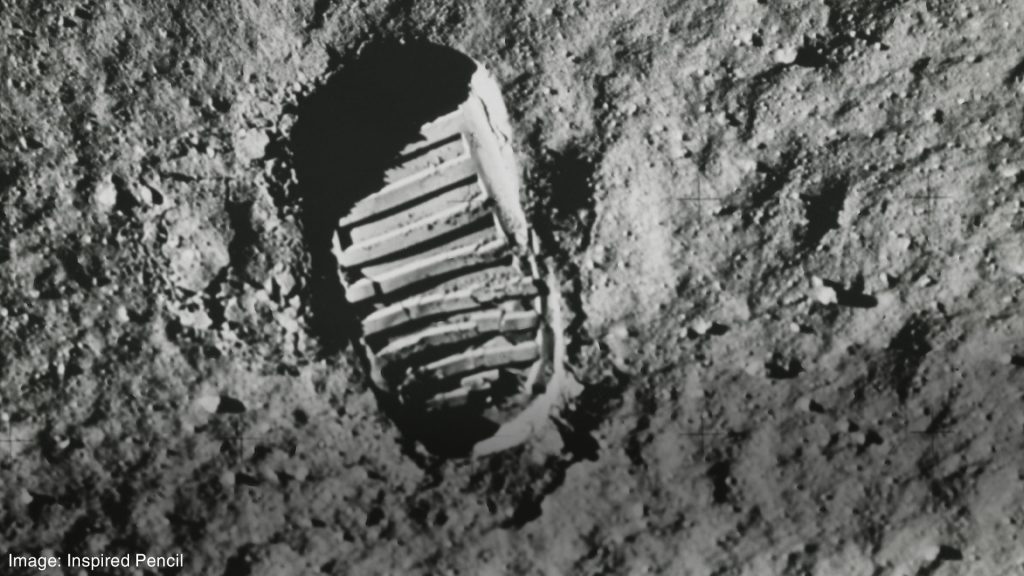
Apollo 11 became one of the most important technological milestones in history when Neil Armstrong and Buzz Aldrin landed on the Moon in 1969. This mission demonstrated that humans could travel to another celestial body and return safely. It accelerated advancements in computing systems aerospace engineering and materials science that influenced future generations of technology.

Voyager Deep Space Journey 1977

The Voyager 1 and Voyager 2 missions launched in 1977 and transformed human understanding of the outer solar system. They provided the first close images and data from Jupiter Saturn Uranus and Neptune. Voyager 1 is now more than 24 billion kilometers from Earth and continues to travel into interstellar space carrying the Golden Record which contains sounds and images from Earth.

Hubble Cosmic Expansion Discovery 1990

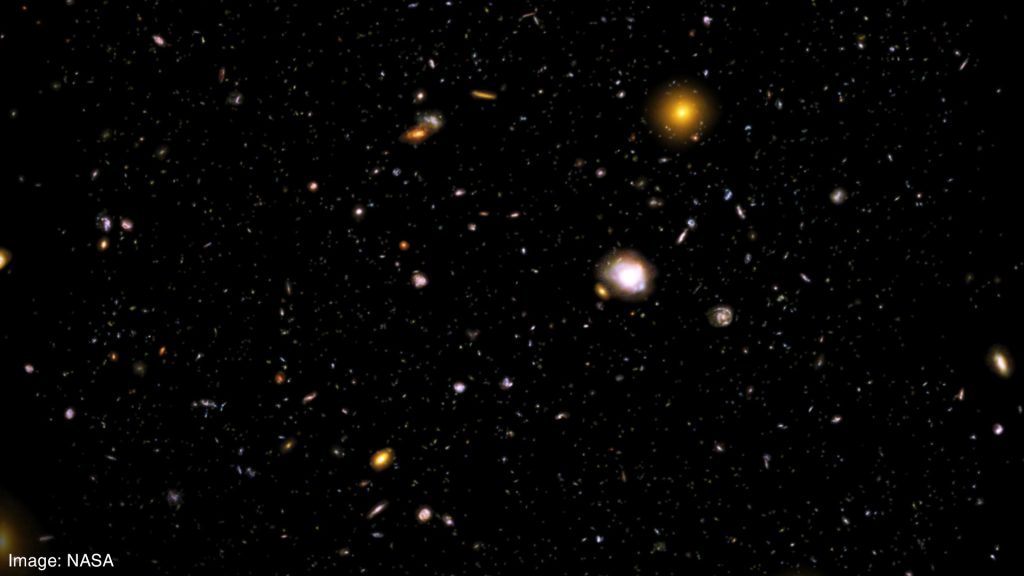
The Hubble Space Telescope launched in 1990 and revolutionized astronomy by capturing clear images of deep space without atmospheric distortion. It contributed to measuring the age of the universe at approximately 13.8 billion years and confirmed that the universe is expanding at an accelerating rate. It also revealed that most galaxies are anchored by supermassive black holes.

James Webb Early Universe Vision 2021

The James Webb Space Telescope represents the most advanced observational tool humanity has ever built. It uses infrared technology to observe extremely distant galaxies formed shortly after the Big Bang. It is also studying exoplanet atmospheres to identify chemical signatures that could indicate potential habitability.
SpaceX Commercial Space Shift 2020

SpaceX Demo 2 marked a major shift in space exploration history by becoming the first privately operated spacecraft to carry astronauts to the International Space Station. This mission reduced reliance on government only space programs and lowered the cost of human spaceflight. It opened the door for a new era of commercial space exploration.

Sources: NASA / European Space Agency / Smithsonian Space Reports / Journal of Space History / Nature Astronomy


Maryam Tariq

Sputnik Signal Space Age 1957

The launch of Sputnik 1 by the Soviet Union in 1957 marked the first time humanity sent a signal into space. This small artificial satellite triggered the Space Race and led to the creation of NASA in 1958. It proved that human technology could function beyond Earth’s atmosphere and orbit the planet reliably. It also changed global politics by turning space into a new domain of competition and scientific advancement.

Apollo 11 Moon Landing Human Step 1969

Apollo 11 became one of the most important technological milestones in history when Neil Armstrong and Buzz Aldrin landed on the Moon in 1969. This mission demonstrated that humans could travel to another celestial body and return safely. It accelerated advancements in computing systems aerospace engineering and materials science that influenced future generations of technology.

Voyager Deep Space Journey 1977

The Voyager 1 and Voyager 2 missions launched in 1977 and transformed human understanding of the outer solar system. They provided the first close images and data from Jupiter Saturn Uranus and Neptune. Voyager 1 is now more than 24 billion kilometers from Earth and continues to travel into interstellar space carrying the Golden Record which contains sounds and images from Earth.

Hubble Cosmic Expansion Discovery 1990

The Hubble Space Telescope launched in 1990 and revolutionized astronomy by capturing clear images of deep space without atmospheric distortion. It contributed to measuring the age of the universe at approximately 13.8 billion years and confirmed that the universe is expanding at an accelerating rate. It also revealed that most galaxies are anchored by supermassive black holes.

James Webb Early Universe Vision 2021

The James Webb Space Telescope represents the most advanced observational tool humanity has ever built. It uses infrared technology to observe extremely distant galaxies formed shortly after the Big Bang. It is also studying exoplanet atmospheres to identify chemical signatures that could indicate potential habitability.

SpaceX Commercial Space Shift 2020

SpaceX Demo 2 marked a major shift in space exploration history by becoming the first privately operated spacecraft to carry astronauts to the International Space Station. This mission reduced reliance on government only space programs and lowered the cost of human spaceflight. It opened the door for a new era of commercial space exploration.

Sources: NASA / European Space Agency / Smithsonian Space Reports / Journal of Space History / Nature Astronomy
spot_img

Explore more

spot_img
Global Affairs

Mossad Assassination Plot Against Pakistan Army Chief? Is This Viral Claim

Israel Faces Rare US Warning as Trump Administration Pushes Iran Deal...

Trump Called the Iran War a Win. Here Is What the...

Al Jazeera Cameraman Killed in Gaza Strike as Press Safety Concerns

US Italy diplomatic tensions

Natasha Doll Trend

US Iran diplomacy handshake