How Eid becomes a global diplomacy moment 

Eid as a Soft Power Diplomatic Platform

Maryam Tariq

Eid Diplomacy Cultural Soft Power

Eid has increasingly become more than a religious celebration. It now functions as a soft power diplomatic tool where cultural goodwill creates opportunities for communication between states. In moments when formal diplomacy is tense or stalled, Eid offers a neutral and emotionally positive environment for engagement.

Eid High Level Calls Regional Dialogue

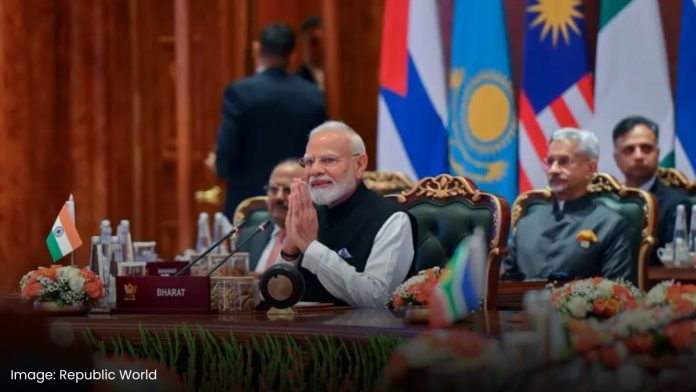
One of the most visible forms of Eid diplomacy is the exchange of high level phone calls between world leaders. These calls begin with traditional greetings but often shift quickly into discussions on security, trade, and regional stability. Leaders including Pakistan’s Prime Minister Shehbaz Sharif have used Eid calls to maintain communication channels with countries across the Middle East and Central Asia. This method reduces political friction and keeps dialogue active even during crises.

Embassy Eid Receptions Soft Power Influence

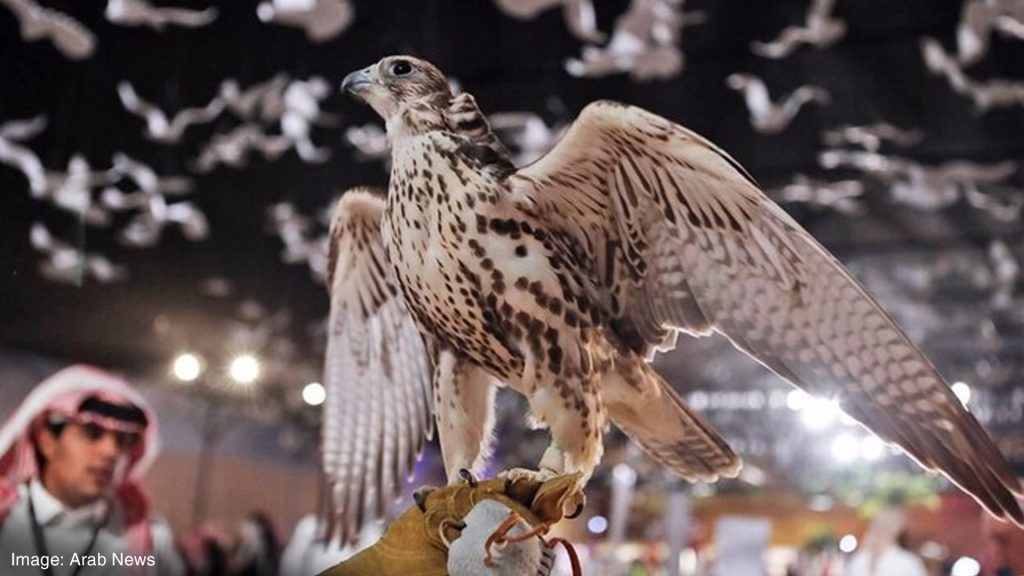
Embassy hosted Eid receptions serve as key soft power hubs. These events bring together diplomats, business leaders, and government officials in informal environments. Cultural displays such as traditional cuisine, music, and heritage performances are used to shape positive national images. For example, diplomatic missions often highlight cultural traditions like falconry or hospitality to project identity and influence. These gatherings help build personal relationships that later support formal negotiations.

Border Eid Gestures India Pakistan Symbolism

At the ground level, Eid also influences interactions between border forces. In regions such as the India Pakistan border, symbolic exchanges like sweets and greetings continue during Eid despite political tensions. These gestures do not change strategic disputes but help maintain psychological stability and reduce hostility between personnel stationed at borders.
Eid Sermons Global Messaging

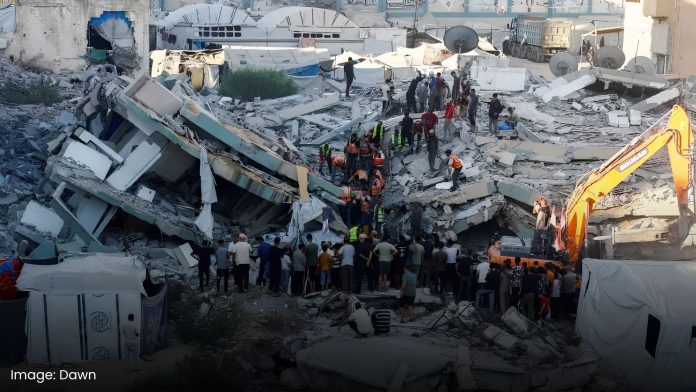
Religious and political leaders also use Eid sermons and public addresses to highlight global humanitarian concerns. Issues such as conflicts in Gaza are often referenced in public messaging during Eid, turning religious platforms into channels for international awareness. This creates shared narratives that can influence public opinion across countries.

Informal Diplomacy and Global Stability

Eid demonstrates how cultural and religious traditions can contribute to international relations outside formal institutions. Through calls, receptions, border interactions, and public messaging, Eid creates multiple layers of informal diplomacy that help maintain communication and reduce tensions between states.

Sources: PassBlue / DiploFoundation / Taylor and Francis Online
Eid as a Soft Power Diplomatic Platform

Maryam Tariq

Eid Diplomacy Cultural Soft Power

Eid has increasingly become more than a religious celebration. It now functions as a soft power diplomatic tool where cultural goodwill creates opportunities for communication between states. In moments when formal diplomacy is tense or stalled, Eid offers a neutral and emotionally positive environment for engagement.

Eid High Level Calls Regional Dialogue

One of the most visible forms of Eid diplomacy is the exchange of high level phone calls between world leaders. These calls begin with traditional greetings but often shift quickly into discussions on security, trade, and regional stability. Leaders including Pakistan’s Prime Minister Shehbaz Sharif have used Eid calls to maintain communication channels with countries across the Middle East and Central Asia. This method reduces political friction and keeps dialogue active even during crises.

Embassy Eid Receptions Soft Power Influence

Embassy hosted Eid receptions serve as key soft power hubs. These events bring together diplomats, business leaders, and government officials in informal environments. Cultural displays such as traditional cuisine, music, and heritage performances are used to shape positive national images. For example, diplomatic missions often highlight cultural traditions like falconry or hospitality to project identity and influence. These gatherings help build personal relationships that later support formal negotiations.

Border Eid Gestures India Pakistan Symbolism

At the ground level, Eid also influences interactions between border forces. In regions such as the India Pakistan border, symbolic exchanges like sweets and greetings continue during Eid despite political tensions. These gestures do not change strategic disputes but help maintain psychological stability and reduce hostility between personnel stationed at borders.

Eid Sermons Global Messaging

Religious and political leaders also use Eid sermons and public addresses to highlight global humanitarian concerns. Issues such as conflicts in Gaza are often referenced in public messaging during Eid, turning religious platforms into channels for international awareness. This creates shared narratives that can influence public opinion across countries.

Informal Diplomacy and Global Stability

Eid demonstrates how cultural and religious traditions can contribute to international relations outside formal institutions. Through calls, receptions, border interactions, and public messaging, Eid creates multiple layers of informal diplomacy that help maintain communication and reduce tensions between states.

Sources: PassBlue / DiploFoundation / Taylor and Francis Online
spot_img

Explore more

spot_img
Global Affairs

Two Ceasefires At Risk

Middle East Sky Turns Into War Zone

While some celebrate Eid… others survive it

The Universe Responded After We Sent the First Signal

Your Brain Is Not Deciding What Goes Viral

War Destroys Civilians Before It Ends Nations

The Countries Paying the Highest Price for Climate Change

Messi Exits MLS Game in Injury Scare Ahead of World Cup