The Countries Paying the Highest Price for Climate Change

Climate Change Is Hitting Poor Countries the Hardest

Maryam Tariq

Global South Climate Crisis

New climate risk data shows that the countries most affected by climate change are largely poorer nations in the Global South. Despite contributing only a small share of global carbon emissions, these countries continue to face the deadliest floods, storms, heatwaves, and environmental destruction.

According to the Germanwatch Climate Risk Index (CRI), countries such as Dominica, Myanmar, Honduras, Libya, Haiti, Pakistan, India, and the Philippines rank among the most climate-vulnerable nations due to repeated disasters and weak recovery systems.

Dominica Hurricane GDP Damage

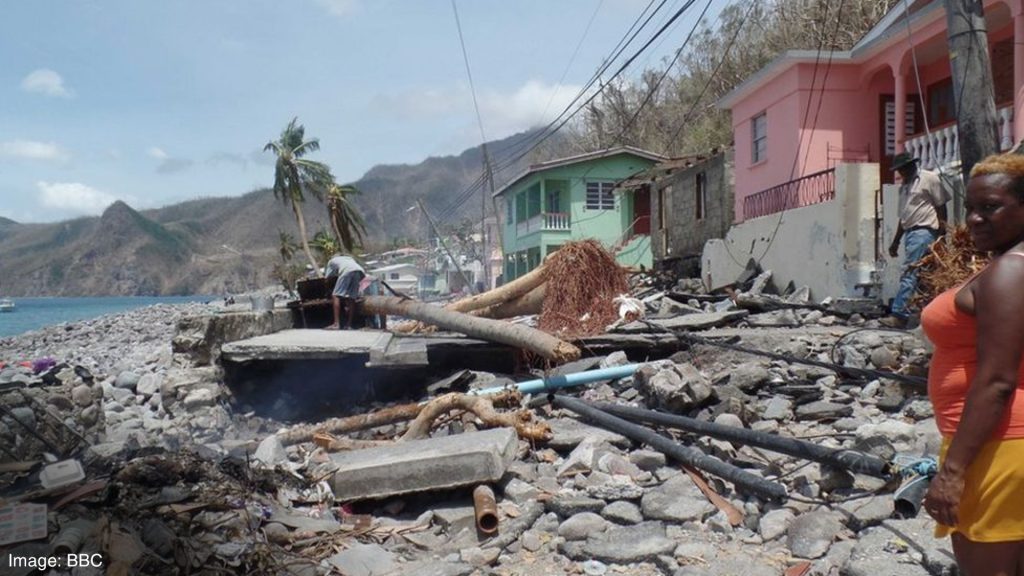
Dominica ranks among the hardest-hit countries after Hurricane Maria devastated the island in 2017. The destruction was so severe that economic losses exceeded 200% of the country’s GDP, wiping out infrastructure, homes, roads, and public services almost overnight.

Experts say small island nations are becoming increasingly vulnerable because stronger hurricanes are being fueled by warming ocean temperatures.

Myanmar Cyclone Death Toll
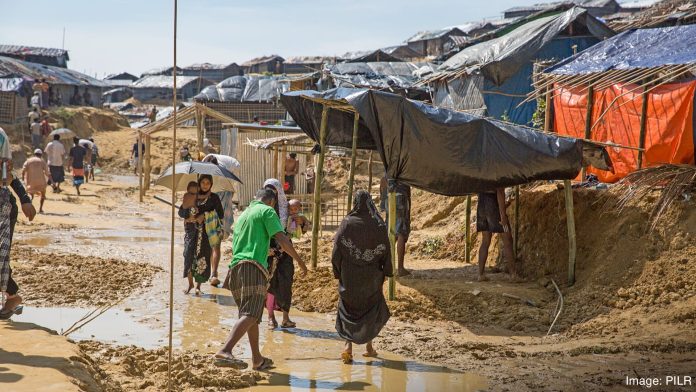
Myanmar continues to suffer from the long-term impact of Cyclone Nargis, one of the deadliest storms in modern history. The cyclone killed more than 140,000 people, leaving entire communities destroyed and exposing how climate disasters can overwhelm countries with limited emergency infrastructure.

Pakistan Floods and Glacier Melt

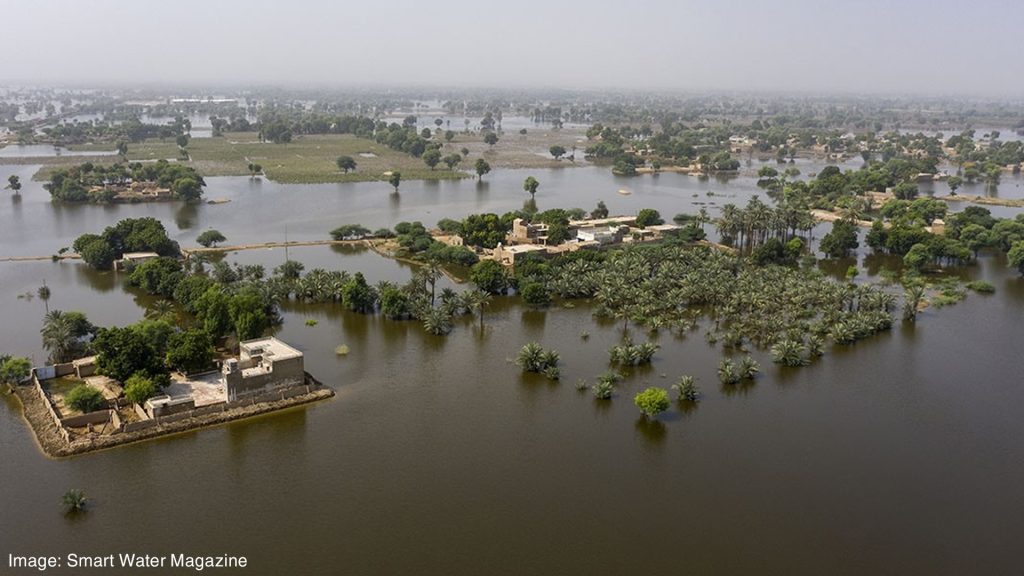
Pakistan remains among the top 15 countries most affected by climate change over the last three decades. The country faces a dangerous combination of glacier melting in northern regions and massive flooding in southern agricultural areas.

The 2022 super floods displaced millions, damaged crops, and caused billions of dollars in economic losses, highlighting how climate shocks directly affect food security and livelihoods.

Philippines Typhoons and Haiti Hurricanes

The Philippines experiences around 20 typhoons every year, many of which are becoming stronger due to warming Pacific waters. Haiti, meanwhile, continues to face repeated hurricanes, flooding, and severe soil erosion while struggling with poverty and political instability.

These recurring disasters make recovery nearly impossible, trapping vulnerable populations in continuous cycles of rebuilding and loss.

Climate Inequality and Future Risk
The ND-GAIN vulnerability index also identifies countries like Chad, Somalia, Yemen, South Sudan, and Afghanistan as among the least prepared for future climate shocks.

Climate experts warn that the crisis is no longer only about the environment, it is increasingly about inequality, survival, and global responsibility.

Sources: Germanwatch / ND-GAIN / Concern Worldwide / Reuters

Climate Change Is Hitting Poor Countries the Hardest

Maryam Tariq

Global South Climate Crisis

New climate risk data shows that the countries most affected by climate change are largely poorer nations in the Global South. Despite contributing only a small share of global carbon emissions, these countries continue to face the deadliest floods, storms, heatwaves, and environmental destruction.

According to the Germanwatch Climate Risk Index (CRI), countries such as Dominica, Myanmar, Honduras, Libya, Haiti, Pakistan, India, and the Philippines rank among the most climate-vulnerable nations due to repeated disasters and weak recovery systems.

Dominica Hurricane GDP Damage

Dominica ranks among the hardest-hit countries after Hurricane Maria devastated the island in 2017. The destruction was so severe that economic losses exceeded 200% of the country’s GDP, wiping out infrastructure, homes, roads, and public services almost overnight.

Experts say small island nations are becoming increasingly vulnerable because stronger hurricanes are being fueled by warming ocean temperatures.

Myanmar Cyclone Death Toll

Myanmar continues to suffer from the long-term impact of Cyclone Nargis, one of the deadliest storms in modern history. The cyclone killed more than 140,000 people, leaving entire communities destroyed and exposing how climate disasters can overwhelm countries with limited emergency infrastructure.

Pakistan Floods and Glacier Melt

Pakistan remains among the top 15 countries most affected by climate change over the last three decades. The country faces a dangerous combination of glacier melting in northern regions and massive flooding in southern agricultural areas.

The 2022 super floods displaced millions, damaged crops, and caused billions of dollars in economic losses, highlighting how climate shocks directly affect food security and livelihoods.

Philippines Typhoons and Haiti Hurricanes

The Philippines experiences around 20 typhoons every year, many of which are becoming stronger due to warming Pacific waters. Haiti, meanwhile, continues to face repeated hurricanes, flooding, and severe soil erosion while struggling with poverty and political instability.

These recurring disasters make recovery nearly impossible, trapping vulnerable populations in continuous cycles of rebuilding and loss.

Climate Inequality and Future Risk

The ND-GAIN vulnerability index also identifies countries like Chad, Somalia, Yemen, South Sudan, and Afghanistan as among the least prepared for future climate shocks.

Climate experts warn that the crisis is no longer only about the environment, it is increasingly about inequality, survival, and global responsibility.

Sources: Germanwatch / ND-GAIN / Concern Worldwide / Reuters

spot_img

Explore more

spot_img
Global Affairs

Middle East Conflict

World Cup 2026

India’s Protest

Alien Conspiracy Theories

FIFA 2026 Controversy:

The Dangerous Rise of Islamophobia

Why Afghanistan and Pakistan Are Fighting

Faith & Politics: How Religion Shapes Conflicts