Italy’s Hijab Ban: When Does Liberal Freedom Stop Protecting Choice?

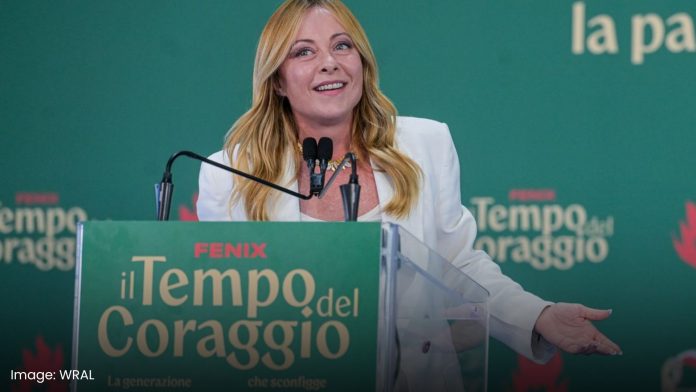
Italy is once again at the centre of Europe’s debate over Islam, integration and religious expression. Prime Minister Giorgia Meloni has announced plans for new legislation restricting Islamic veiling in schools, alongside measures aimed at regulating the number of foreign students in classrooms and strengthening Italian-language requirements for some migrant families.

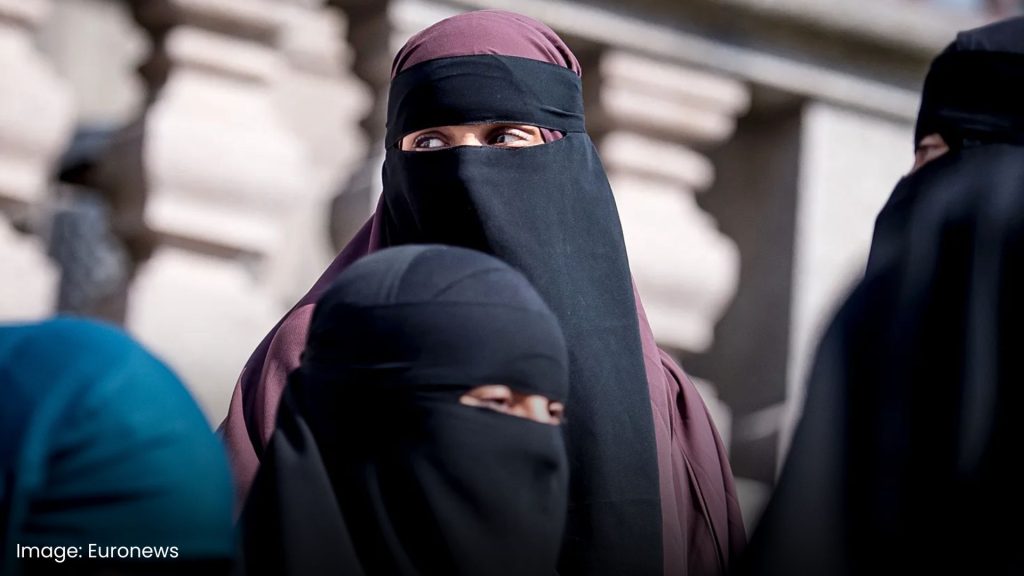
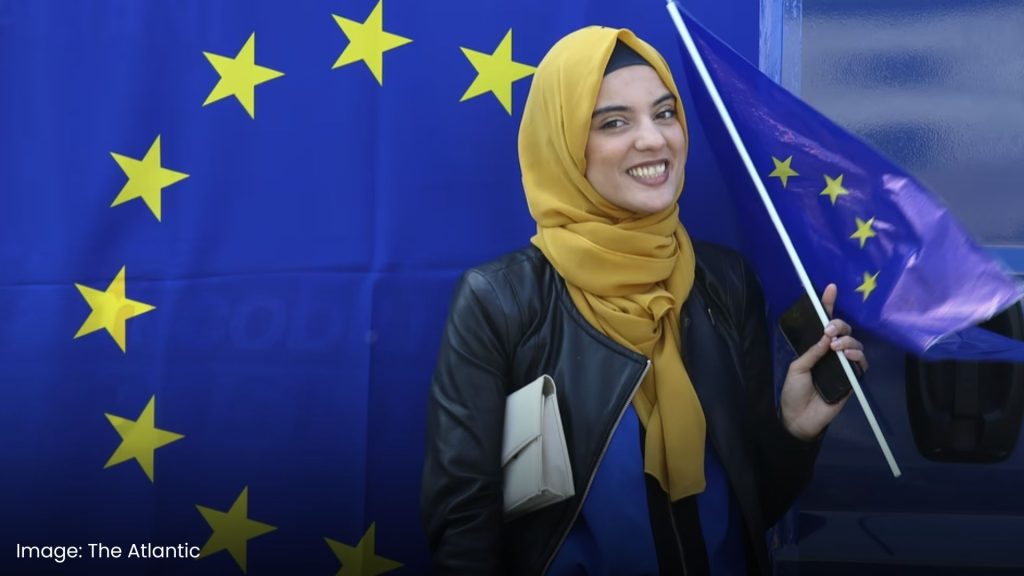
A report quoted Meloni as announcing a school ban on “burqa and hijab,” while Reuters, AP and other international reports have described the proposal specifically as targeting burqas and niqabs, or full-face coverings. The distinction is important: a hijab generally covers the hair and neck while leaving the face visible, whereas a niqab covers the face and a burqa covers the body and face.

Regardless of the terminology, the announcement has reopened a much larger question: how far can a liberal democracy go in regulating the religious choices of its citizens in the name of freedom, integration and equality?
A policy framed around integration

Meloni has presented the proposed measures as part of a broader effort to strengthen integration within Italian schools. Her government plans to introduce a legal limit on foreign students per classroom and require parents of foreign students experiencing serious difficulties integrating into the school system to learn Italian.

Meloni argues that those who come to Italy and want to build their future there should learn the language, understand Italian culture and respect Italian rules. She has also argued that Italian children should not become a minority within their own classrooms.

The Italian government is therefore not presenting the proposal simply as a restriction on religious clothing. It is part of a broader political argument about migration, national identity and integration.

But this is precisely where the debate becomes more complicated.

Integration does not necessarily mean abandoning cultural or religious identity. In a pluralistic society, integration can also mean participating fully in public institutions while retaining the freedom to practise one’s religion and express one’s identity.

The difficult question is where Italy believes that boundary should be drawn.

When protecting women means restricting their choices

One of the most contentious aspects of European debates over Islamic dress concerns women’s autonomy. Supporters of restrictions on face veils often argue that women should not be forced to conceal themselves by family members, religious authorities or communities. From this perspective, restrictions can be presented as a way of protecting women from coercion and ensuring that girls participate fully in public life.

But there is another side to the question.

What if the woman chooses to wear the garment herself?

This creates a fundamental tension between two ideas of freedom.

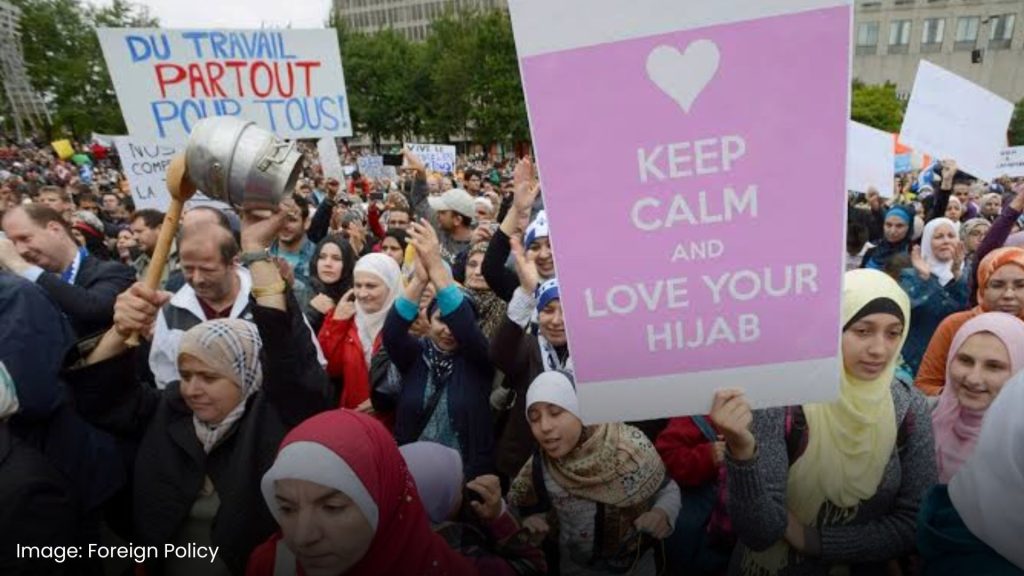
Freedom can mean protection from coercion the right not to be forced into wearing something. But freedom can also mean the right to make personal choices, including choices about religion, clothing and identity. If a woman is compelled to wear a veil, her autonomy is restricted. But if she voluntarily chooses to wear one and the state prohibits it, that choice is also restricted.

The question, therefore, is not simply whether a veil represents freedom or oppression. It is whether the individual herself should have the primary authority to determine what her choice means.
Europe’s wider debate over religious dress

Italy is not alone in confronting this issue.

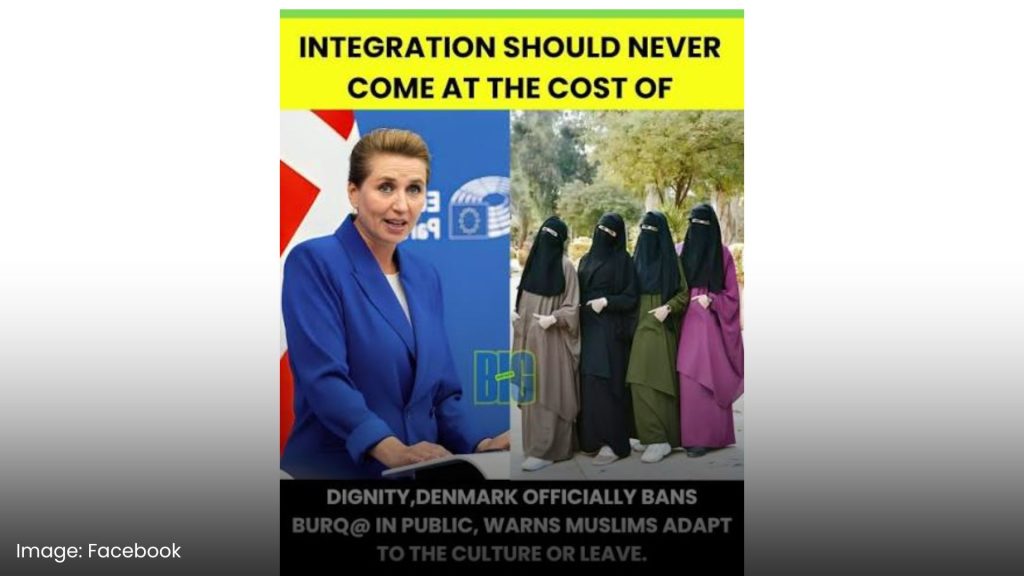
Several European countries have introduced restrictions on face coverings. France and Belgium have nationwide restrictions on concealing the face in public spaces. Denmark has also adopted a public face-covering ban, while the Netherlands has more limited restrictions covering places such as schools, hospitals, government buildings and public transport. Switzerland introduced a federal public face-covering ban in 2023. Austria has also introduced school-related restrictions on Islamic head coverings.

However, these laws do not all have identical justifications. Governments have invoked different arguments, including security, identification, communication, secularism, women’s rights and social integration.

European democratic systems place considerable emphasis on values such as individual liberty, equality, freedom of religion and personal autonomy. These principles are meant to protect individuals from arbitrary state interference and, importantly, to protect minorities whose beliefs or identities may differ from those of the majority.

But liberal societies also impose restrictions on individual behaviour when governments believe there is a sufficiently strong public interest. The problem emerges when the state begins determining which expressions of identity are compatible with being a free individual. If a Muslim woman chooses to cover herself, should the state treat that decision as an expression of personal liberty? Or should it interpret the choice as evidence of cultural isolation that needs to be corrected through integration policy?

There is no simple answer to that question. But it does expose an important tension: can freedom remain universal if some expressions of freedom become unacceptable when exercised by a particular religious minority?

The question beyond the veil

Italy’s proposal is therefore about much more than a piece of clothing. It raises questions about who defines freedom, who defines integration and who gets to decide which personal choices are acceptable in a liberal society.

A state can argue that it is protecting women from coercion. A woman can simultaneously argue that her religious clothing is her own choice. A government can argue that schools require common rules. Critics can ask whether those rules unnecessarily interfere with religious expression.

These competing principles cannot simply be reduced to “freedom versus oppression.” The deeper issue is whether a liberal society can defend individual autonomy while also allowing individuals to make choices that the majority considers unfamiliar, undesirable or incompatible with its cultural expectations.

Italy’s proposal has not yet become law; it will have to go through the legislative process. But the question it has revived will extend far beyond Italy: If freedom means having the right to choose, does that freedom also protect choices that the majority does not understand or agree with?
References
https://www.dawn.com/news/2031364/italy-to-ban-veils-in-schools-limit-foreign-students-per-class-meloni-says
https://www.aljazeera.com/news/2026/9/20/meloni-promises-to-ban-burqas-niqabs-in-italys-schools

Italy is once again at the centre of Europe’s debate over Islam, integration and religious expression. Prime Minister Giorgia Meloni has announced plans for new legislation restricting Islamic veiling in schools, alongside measures aimed at regulating the number of foreign students in classrooms and strengthening Italian-language requirements for some migrant families.

A report quoted Meloni as announcing a school ban on “burqa and hijab,” while Reuters, AP and other international reports have described the proposal specifically as targeting burqas and niqabs, or full-face coverings. The distinction is important: a hijab generally covers the hair and neck while leaving the face visible, whereas a niqab covers the face and a burqa covers the body and face.

Regardless of the terminology, the announcement has reopened a much larger question: how far can a liberal democracy go in regulating the religious choices of its citizens in the name of freedom, integration and equality?

A policy framed around integration

Meloni has presented the proposed measures as part of a broader effort to strengthen integration within Italian schools. Her government plans to introduce a legal limit on foreign students per classroom and require parents of foreign students experiencing serious difficulties integrating into the school system to learn Italian.

Meloni argues that those who come to Italy and want to build their future there should learn the language, understand Italian culture and respect Italian rules. She has also argued that Italian children should not become a minority within their own classrooms.

The Italian government is therefore not presenting the proposal simply as a restriction on religious clothing. It is part of a broader political argument about migration, national identity and integration.

But this is precisely where the debate becomes more complicated.

Integration does not necessarily mean abandoning cultural or religious identity. In a pluralistic society, integration can also mean participating fully in public institutions while retaining the freedom to practise one’s religion and express one’s identity.

The difficult question is where Italy believes that boundary should be drawn.

When protecting women means restricting their choices

One of the most contentious aspects of European debates over Islamic dress concerns women’s autonomy. Supporters of restrictions on face veils often argue that women should not be forced to conceal themselves by family members, religious authorities or communities. From this perspective, restrictions can be presented as a way of protecting women from coercion and ensuring that girls participate fully in public life.

But there is another side to the question.

What if the woman chooses to wear the garment herself?

This creates a fundamental tension between two ideas of freedom.

Freedom can mean protection from coercion the right not to be forced into wearing something. But freedom can also mean the right to make personal choices, including choices about religion, clothing and identity. If a woman is compelled to wear a veil, her autonomy is restricted. But if she voluntarily chooses to wear one and the state prohibits it, that choice is also restricted.

The question, therefore, is not simply whether a veil represents freedom or oppression. It is whether the individual herself should have the primary authority to determine what her choice means.

Europe’s wider debate over religious dress

Italy is not alone in confronting this issue.

Several European countries have introduced restrictions on face coverings. France and Belgium have nationwide restrictions on concealing the face in public spaces. Denmark has also adopted a public face-covering ban, while the Netherlands has more limited restrictions covering places such as schools, hospitals, government buildings and public transport. Switzerland introduced a federal public face-covering ban in 2023. Austria has also introduced school-related restrictions on Islamic head coverings.

However, these laws do not all have identical justifications. Governments have invoked different arguments, including security, identification, communication, secularism, women’s rights and social integration.

European democratic systems place considerable emphasis on values such as individual liberty, equality, freedom of religion and personal autonomy. These principles are meant to protect individuals from arbitrary state interference and, importantly, to protect minorities whose beliefs or identities may differ from those of the majority.

But liberal societies also impose restrictions on individual behaviour when governments believe there is a sufficiently strong public interest. The problem emerges when the state begins determining which expressions of identity are compatible with being a free individual. If a Muslim woman chooses to cover herself, should the state treat that decision as an expression of personal liberty? Or should it interpret the choice as evidence of cultural isolation that needs to be corrected through integration policy?

There is no simple answer to that question. But it does expose an important tension: can freedom remain universal if some expressions of freedom become unacceptable when exercised by a particular religious minority?

The question beyond the veil

Italy’s proposal is therefore about much more than a piece of clothing. It raises questions about who defines freedom, who defines integration and who gets to decide which personal choices are acceptable in a liberal society.

A state can argue that it is protecting women from coercion. A woman can simultaneously argue that her religious clothing is her own choice. A government can argue that schools require common rules. Critics can ask whether those rules unnecessarily interfere with religious expression.

These competing principles cannot simply be reduced to “freedom versus oppression.” The deeper issue is whether a liberal society can defend individual autonomy while also allowing individuals to make choices that the majority considers unfamiliar, undesirable or incompatible with its cultural expectations.

Italy’s proposal has not yet become law; it will have to go through the legislative process. But the question it has revived will extend far beyond Italy: If freedom means having the right to choose, does that freedom also protect choices that the majority does not understand or agree with?

References

https://www.dawn.com/news/2031364/italy-to-ban-veils-in-schools-limit-foreign-students-per-class-meloni-says
https://www.aljazeera.com/news/2026/9/20/meloni-promises-to-ban-burqas-niqabs-in-italys-schools
spot_img

Explore more

spot_img
Global Affairs

Rare Earths and the New Geopolitics of US-China Rivalry

From Deterrence to Normalisation: The New Front in Space Security

Gaza’s Dead Are Still Being Found. But How Long Can Justice...

The Far Right Lost Ground in Sweden? But has its Politics...

The New Delhi Declaration: Can BRICS Bridge Its Own Fault Lines?

Political Terrorism Is Rising Fast in the US, and the Country...

25 Years After 9/11, DHS Declares Itself Permanently at W*r

US Stopped Tracking Famine Risk in Afghanistan, Somalia and Yemen