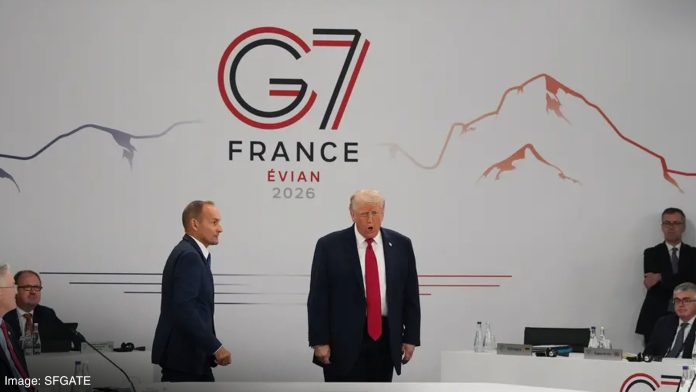
2026 G7 Summit

G7 Summit 2026 Unites Ukraine Support, Iran Diplomacy and Critical Minerals Security

Maryam Tariq

Ukraine Support and Russia Sanctions Take Center Stage

The G7 Summit 2026 in Evian, France, concluded with a strong statement of support for Ukraine and a commitment to increase pressure on Russia.

Leaders reaffirmed their support for Ukraine’s sovereignty, territorial integrity, and defense against Russian aggression. The G7 pledged additional air defense systems, interceptors, and long range military capabilities while also expressing readiness to support expanded Ukrainian defense production through licensing arrangements.

The leaders further committed to strengthening sanctions on Russia, particularly targeting the oil and gas sectors. The move is intended to increase pressure on Moscow’s war economy while reinforcing support for Kyiv as the conflict continues.

Iran Deal and Strait of Hormuz Security

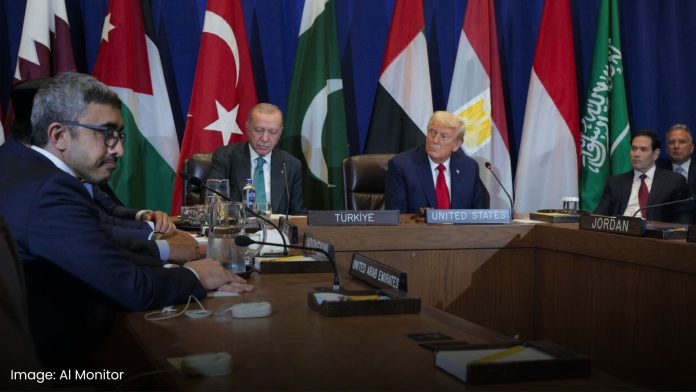
A major focus of the summit was the Middle East and the recently announced agreement between the United States and Iran.

The G7 welcomed the deal and described it as an opportunity to prevent Iran from acquiring nuclear weapons while addressing regional security concerns. Leaders expressed support for implementing the agreement and emphasized the importance of involving international partners, including the International Atomic Energy Agency.
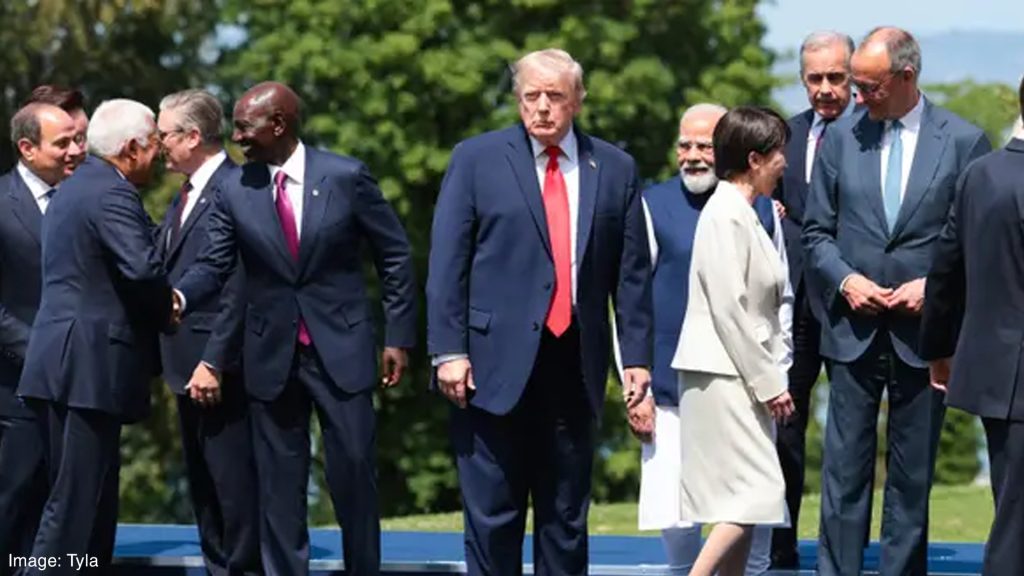
The summit also highlighted the importance of reopening the Strait of Hormuz. Leaders backed a multinational maritime initiative led by France and the United Kingdom to protect commercial shipping, remove security threats, and restore confidence among shipping operators.

Critical Minerals Strategy Targets Supply Chain Resilience

One of the most consequential economic announcements was the launch of a comprehensive strategy on critical minerals.

The G7 established a Critical Minerals Resilience and Production Alliance aimed at reducing vulnerabilities in supply chains essential for energy technologies, digital infrastructure, and advanced manufacturing.

Leaders set a target of reducing dependence on a single supplier outside G7 and partner countries for rare earths and permanent magnets to below 60 percent by 2030, with an ambition of reaching 50 percent as soon as possible.

The declaration highlighted significant momentum already achieved. Since the beginning of 2026, 195 projects across critical mineral supply chains have attracted €64 billion in investment through equity participation and offtake agreements.

Supply Chain Security Through Recycling and Stockpiling

The G7 also committed to increasing stockpiles of critical minerals and expanding recycling capacity.

Leaders announced plans for greater transparency, traceability, and market monitoring, beginning with lithium and nickel. Additional efforts will focus on preventing supply disruptions, combating illegal trafficking, and promoting sustainable mining standards.

By improving recycling rates and strengthening industrial cooperation, the G7 hopes to build resilient supply chains capable of supporting long term economic growth and national security.
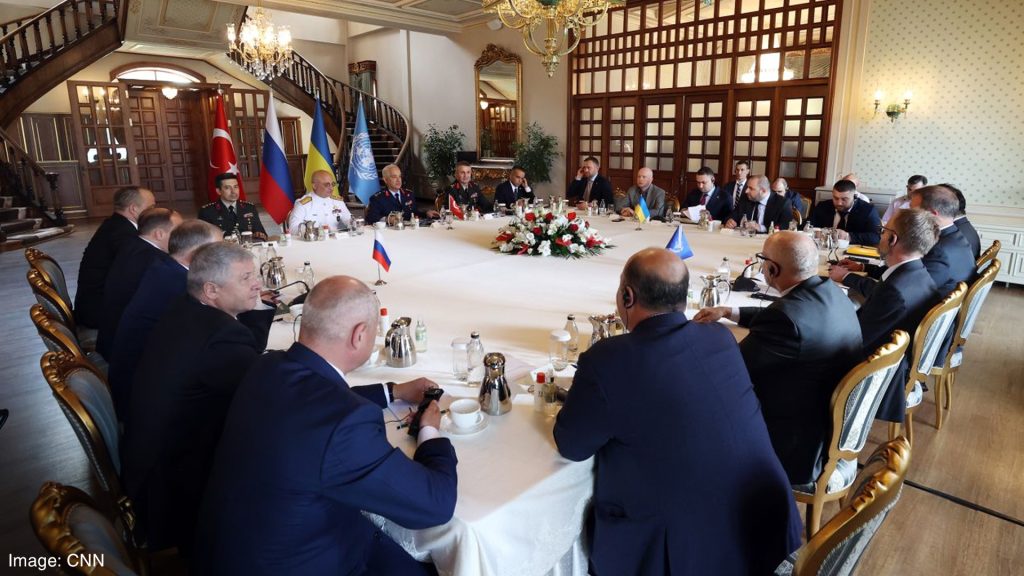
G7 Shapes Future Global Security

The Evian summit demonstrated how geopolitical security, energy resilience, critical minerals, and economic competitiveness are becoming increasingly interconnected.

Through support for Ukraine, engagement in Middle East diplomacy, and a sweeping critical minerals strategy, the G7 signaled its intention to shape the global security and economic landscape for years to come.

Sources:

G7 Leaders’ Joint Statements, Evian, France, 16–17 June 2026
Official G7 Summit Documents

G7 Leaders’ Statement on Geopolitical Issues
G7 France 2026 Official Website

G7 Declaration on Securing Supply Chains for Critical Minerals
G7 France 2026 Official Documents Portal
G7 Summit 2026 Unites Ukraine Support, Iran Diplomacy and Critical Minerals Security

Maryam Tariq

Ukraine Support and Russia Sanctions Take Center Stage

The G7 Summit 2026 in Evian, France, concluded with a strong statement of support for Ukraine and a commitment to increase pressure on Russia.

Leaders reaffirmed their support for Ukraine’s sovereignty, territorial integrity, and defense against Russian aggression. The G7 pledged additional air defense systems, interceptors, and long range military capabilities while also expressing readiness to support expanded Ukrainian defense production through licensing arrangements.

The leaders further committed to strengthening sanctions on Russia, particularly targeting the oil and gas sectors. The move is intended to increase pressure on Moscow’s war economy while reinforcing support for Kyiv as the conflict continues.

Iran Deal and Strait of Hormuz Security

A major focus of the summit was the Middle East and the recently announced agreement between the United States and Iran.

The G7 welcomed the deal and described it as an opportunity to prevent Iran from acquiring nuclear weapons while addressing regional security concerns. Leaders expressed support for implementing the agreement and emphasized the importance of involving international partners, including the International Atomic Energy Agency.

The summit also highlighted the importance of reopening the Strait of Hormuz. Leaders backed a multinational maritime initiative led by France and the United Kingdom to protect commercial shipping, remove security threats, and restore confidence among shipping operators.

Critical Minerals Strategy Targets Supply Chain Resilience

One of the most consequential economic announcements was the launch of a comprehensive strategy on critical minerals.

The G7 established a Critical Minerals Resilience and Production Alliance aimed at reducing vulnerabilities in supply chains essential for energy technologies, digital infrastructure, and advanced manufacturing.

Leaders set a target of reducing dependence on a single supplier outside G7 and partner countries for rare earths and permanent magnets to below 60 percent by 2030, with an ambition of reaching 50 percent as soon as possible.

The declaration highlighted significant momentum already achieved. Since the beginning of 2026, 195 projects across critical mineral supply chains have attracted €64 billion in investment through equity participation and offtake agreements.

Supply Chain Security Through Recycling and Stockpiling

The G7 also committed to increasing stockpiles of critical minerals and expanding recycling capacity.

Leaders announced plans for greater transparency, traceability, and market monitoring, beginning with lithium and nickel. Additional efforts will focus on preventing supply disruptions, combating illegal trafficking, and promoting sustainable mining standards.

By improving recycling rates and strengthening industrial cooperation, the G7 hopes to build resilient supply chains capable of supporting long term economic growth and national security.

G7 Shapes Future Global Security

The Evian summit demonstrated how geopolitical security, energy resilience, critical minerals, and economic competitiveness are becoming increasingly interconnected.

Through support for Ukraine, engagement in Middle East diplomacy, and a sweeping critical minerals strategy, the G7 signaled its intention to shape the global security and economic landscape for years to come.

Sources:

G7 Leaders’ Joint Statements, Evian, France, 16–17 June 2026
Official G7 Summit Documents

G7 Leaders’ Statement on Geopolitical Issues
G7 France 2026 Official Website

G7 Declaration on Securing Supply Chains for Critical Minerals
G7 France 2026 Official Documents Portal

spot_img

Explore more

spot_img
Global Affairs

US Senators Push Bill to Punish India and China for Buying...

Behind the Cockroach Protests: A Broken Exam System That’s Cost Students...

The 2026 World Cup’s Real Price Tag: Billions Lost Before a...

Two US Service Members Killed in Jordan as Iran Suspends Its Ceasefire...

Mamdani Says He’s Exploring How to Arrest Netanyahu During His September...

Rubio Calls the Left a “Unique Evil” at Global Terrorism Summit,...

Trump Demands ABC, NBC Lose Licenses After Networks Skip Live Airing...