What is Trump’s “Anti Weaponisation Fund” and Why Is It Controversial?

What is Trump’s “Anti Weaponisation Fund” and Why Is It Controversial?

Maryam Tariq

What Is the Anti Weaponisation Fund

The US Justice Department has introduced a new compensation program called the Anti Weaponisation Fund. It is worth about 1.8 billion dollars and is designed for individuals who claim they were unfairly targeted by federal government actions.

The idea behind the fund is to provide financial compensation to people who believe they suffered from legal or administrative overreach.

How the Fund Was Created

The fund was established as part of a legal settlement involving President Donald Trump. The case began after Trump sued the Internal Revenue Service over the release of his tax information, which had been leaked and later reported by The New York Times.

According to reports, an IRS contractor was later found responsible for leaking the tax data. The case eventually led to a settlement agreement that included the creation of this fund.
Why the Fund Is Controversial

The main controversy is not just about the money but about who may receive it.

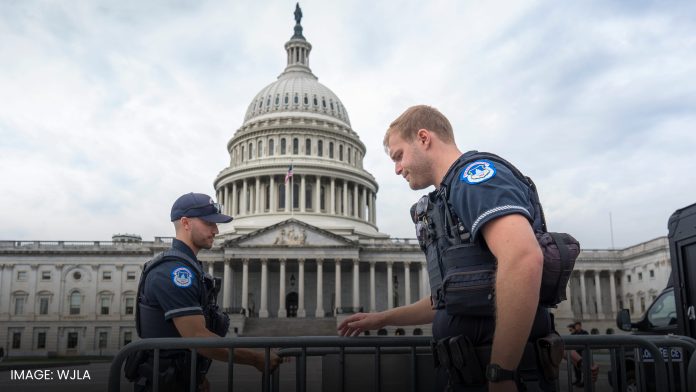
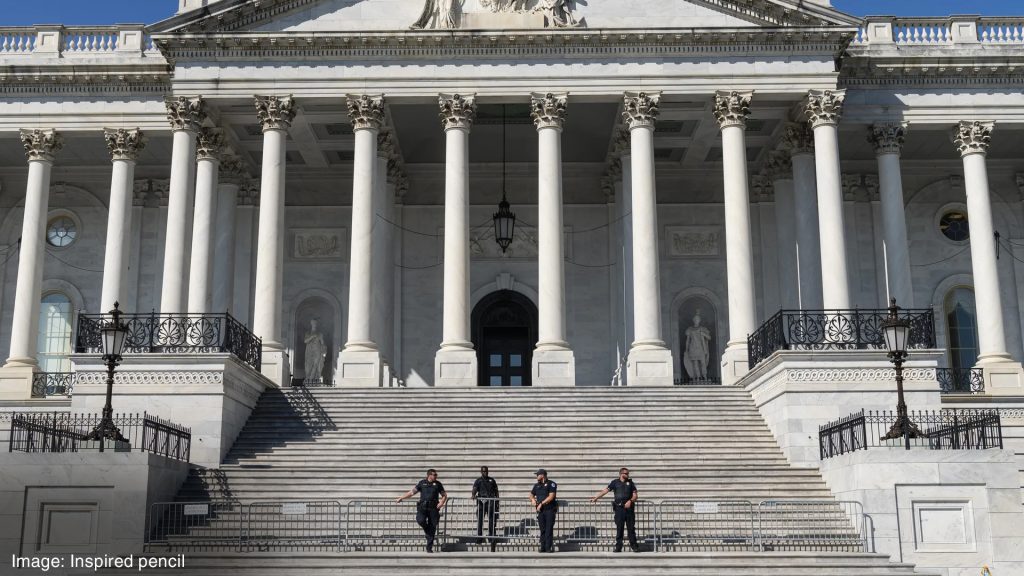
Critics, including several Democratic lawmakers, argue that the fund could be used in ways that are politically sensitive. They fear it may benefit individuals linked to the January 6 Capitol riot, many of whom were later pardoned or had their sentences reduced.

Opponents say this raises concerns about fairness, accountability, and political influence in government compensation systems.

How the Process Works

People who believe they were harmed by federal government actions can submit claims to the fund. A review panel will evaluate applications and decide whether compensation is approved.

The program is scheduled to operate until December 2028, after which it will stop accepting new claims. Payments will come from a federal judgment fund account that is used for legal settlements.

Why Legal Experts Are Paying Attention

Some legal experts say the structure of this fund is unusual because it involves a large amount of taxpayer money and gives significant control to the executive branch.

They argue that it raises broader questions about how public funds should be managed and whether Congress should have a stronger role in approving such programs.

Conclusion

The Anti Weaponisation Fund sits at the intersection of law, politics, and public trust. Supporters see it as compensation for government overreach, while critics see it as a system that could blur the line between justice and politics. The debate now is less about the lawsuit itself and more about how power and public money are being used.

Sources: Al Jazeera / The New York Times / CNN / Reuters / Associated Press (AP)
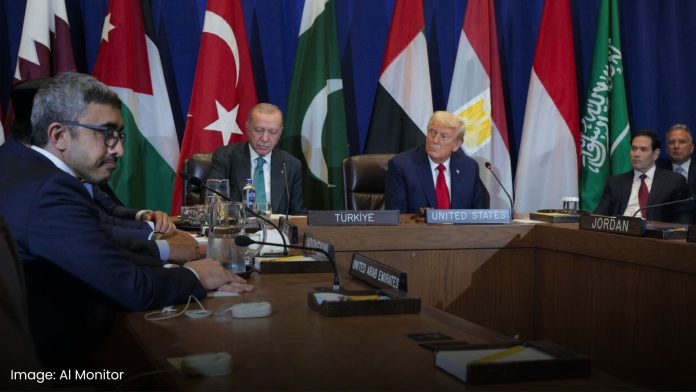
What is Trump’s “Anti Weaponisation Fund” and Why Is It Controversial?

Maryam Tariq

What Is the Anti Weaponisation Fund

The US Justice Department has introduced a new compensation program called the Anti Weaponisation Fund. It is worth about 1.8 billion dollars and is designed for individuals who claim they were unfairly targeted by federal government actions.

The idea behind the fund is to provide financial compensation to people who believe they suffered from legal or administrative overreach.

How the Fund Was Created

The fund was established as part of a legal settlement involving President Donald Trump. The case began after Trump sued the Internal Revenue Service over the release of his tax information, which had been leaked and later reported by The New York Times.

According to reports, an IRS contractor was later found responsible for leaking the tax data. The case eventually led to a settlement agreement that included the creation of this fund.

Why the Fund Is Controversial

The main controversy is not just about the money but about who may receive it.

Critics, including several Democratic lawmakers, argue that the fund could be used in ways that are politically sensitive. They fear it may benefit individuals linked to the January 6 Capitol riot, many of whom were later pardoned or had their sentences reduced.

Opponents say this raises concerns about fairness, accountability, and political influence in government compensation systems.

How the Process Works

People who believe they were harmed by federal government actions can submit claims to the fund. A review panel will evaluate applications and decide whether compensation is approved.

The program is scheduled to operate until December 2028, after which it will stop accepting new claims. Payments will come from a federal judgment fund account that is used for legal settlements.

Why Legal Experts Are Paying Attention

Some legal experts say the structure of this fund is unusual because it involves a large amount of taxpayer money and gives significant control to the executive branch.

They argue that it raises broader questions about how public funds should be managed and whether Congress should have a stronger role in approving such programs.

Conclusion

The Anti Weaponisation Fund sits at the intersection of law, politics, and public trust. Supporters see it as compensation for government overreach, while critics see it as a system that could blur the line between justice and politics. The debate now is less about the lawsuit itself and more about how power and public money are being used.

Sources: Al Jazeera / The New York Times / CNN / Reuters / Associated Press (AP)
spot_img

Explore more

spot_img
Global Affairs

FIFA 2026 Controversy:

The Dangerous Rise of Islamophobia

Why Afghanistan and Pakistan Are Fighting

Faith & Politics: How Religion Shapes Conflicts

No Aid, No Food, No Medicine

Trump Says Iran Deal Is Near

Is Democracy A Lie?

 100 DAYS OF WAR