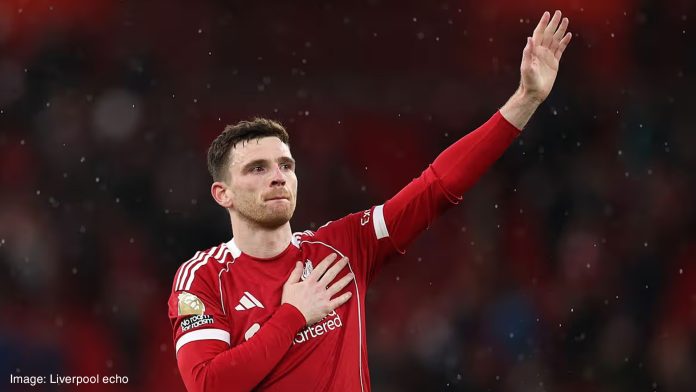
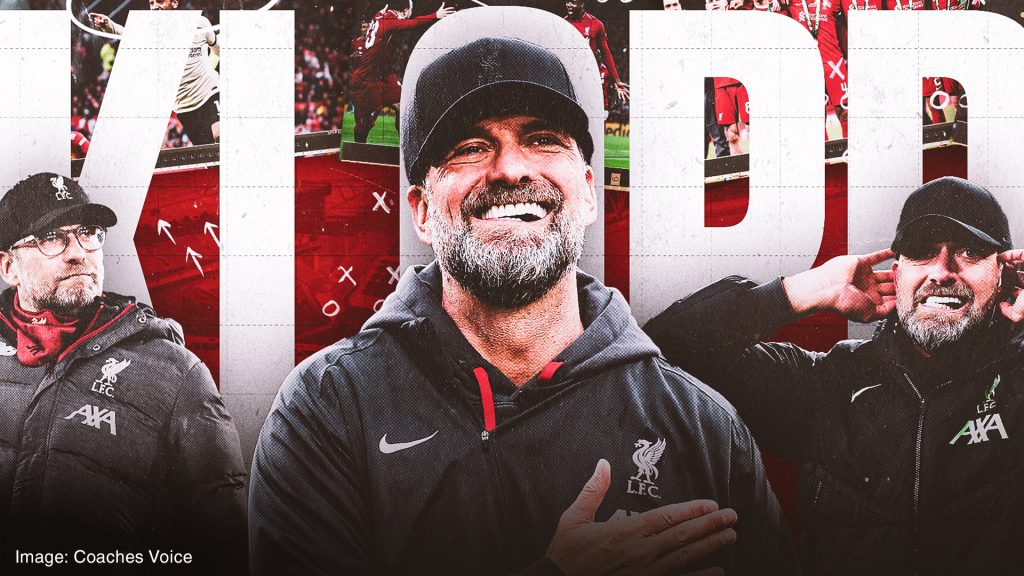
Andy Robertson leaves, marking the end of Liverpool’s Klopp-era spirit.

Andy Robertson Leaves Liverpool, Ending a Defining Klopp-Era Chapter

Maryam Tariq

A Player Who Became More Than a Full-Back

Andy Robertson’s departure marks the end of one of Liverpool’s most influential modern careers. Signed from Hull City for around £8 million in 2017, he went on to become a core part of Jürgen Klopp’s system and one of the most consistent left-backs in world football.

He leaves after winning major trophies including the Premier League, Champions League, FA Cup, Club World Cup, and UEFA Super Cup, forming a legendary full-back partnership with Trent Alexander-Arnold.

The Emotional Weight of His Exit
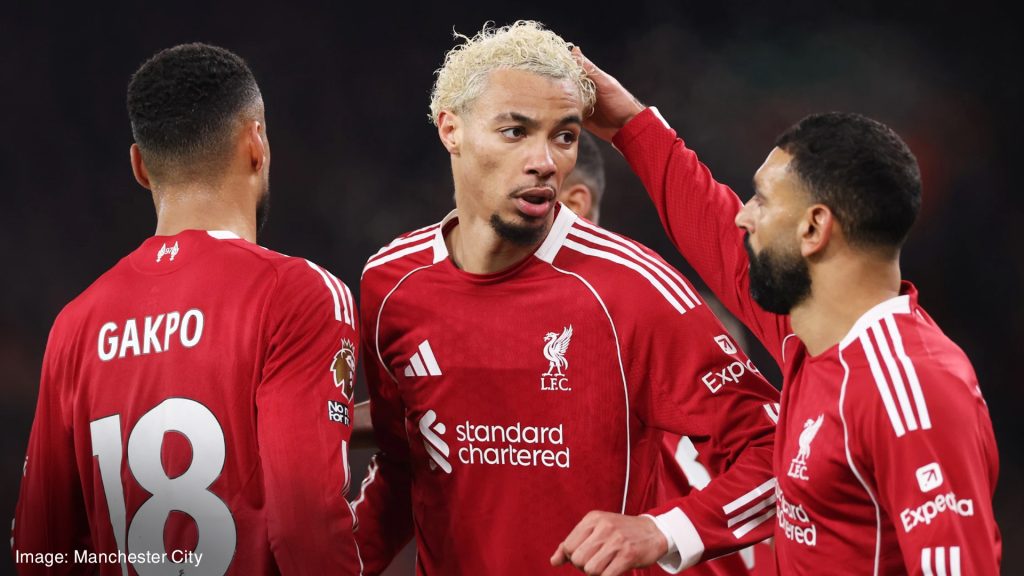
Across tributes, fans and writers repeatedly highlight not only Robertson’s performances but his personality, energy, humour, humility, and visible emotional investment in every match.

Many describe him as a player who embodied the “mentality” era of Liverpool: high intensity, collective responsibility, and relentless effort across every minute of play.

His value to the team often went beyond statistics. He represented continuity, stability, and identity during one of the club’s most successful modern periods.

A Symbol of the Klopp Generation

Robertson’s rise from being released as a teenager to becoming a Champions League winner is frequently cited as part of his legacy. His journey reflects a broader Liverpool narrative under Klopp, development, resilience, and belief in long-term system-building rather than instant stardom.

His role in Liverpool’s attacking structure also helped redefine the modern full-back position, with constant overlapping runs and high assist output becoming a trademark feature of the team’s style.

What Comes After Him
His exit raises a larger structural question for Liverpool: how do clubs replace players who are not just tactically important, but culturally defining?

As the Klopp era continues to evolve, Robertson’s departure signals a gradual transition phase, from a tightly defined identity group to a new generation still forming its own version of Liverpool’s footballing culture.

Sources: BBC SPORTS
Andy Robertson Leaves Liverpool, Ending a Defining Klopp-Era Chapter

Maryam Tariq

A Player Who Became More Than a Full-Back

Andy Robertson’s departure marks the end of one of Liverpool’s most influential modern careers. Signed from Hull City for around £8 million in 2017, he went on to become a core part of Jürgen Klopp’s system and one of the most consistent left-backs in world football.

He leaves after winning major trophies including the Premier League, Champions League, FA Cup, Club World Cup, and UEFA Super Cup, forming a legendary full-back partnership with Trent Alexander-Arnold.

The Emotional Weight of His Exit

Across tributes, fans and writers repeatedly highlight not only Robertson’s performances but his personality, energy, humour, humility, and visible emotional investment in every match.

Many describe him as a player who embodied the “mentality” era of Liverpool: high intensity, collective responsibility, and relentless effort across every minute of play.

His value to the team often went beyond statistics. He represented continuity, stability, and identity during one of the club’s most successful modern periods.

A Symbol of the Klopp Generation

Robertson’s rise from being released as a teenager to becoming a Champions League winner is frequently cited as part of his legacy. His journey reflects a broader Liverpool narrative under Klopp, development, resilience, and belief in long-term system-building rather than instant stardom.

His role in Liverpool’s attacking structure also helped redefine the modern full-back position, with constant overlapping runs and high assist output becoming a trademark feature of the team’s style.

What Comes After Him

His exit raises a larger structural question for Liverpool: how do clubs replace players who are not just tactically important, but culturally defining?

As the Klopp era continues to evolve, Robertson’s departure signals a gradual transition phase, from a tightly defined identity group to a new generation still forming its own version of Liverpool’s footballing culture.

Sources: BBC SPORTS
spot_img

Explore more

spot_img
Global Affairs

FIFA 2026 Controversy:

The Dangerous Rise of Islamophobia

Why Afghanistan and Pakistan Are Fighting

Faith & Politics: How Religion Shapes Conflicts

No Aid, No Food, No Medicine

Trump Says Iran Deal Is Near

Is Democracy A Lie?

 100 DAYS OF WAR